💎 How to Photograph Gemstones So They Look Like They Do in Person
🧭 The 60-Second Take
Imagine browsing a catalog of vibrant gemstones online. Each stone sparkles, promising its own unique story. But how often has a gemstone turned up looking different than expected once it arrives?
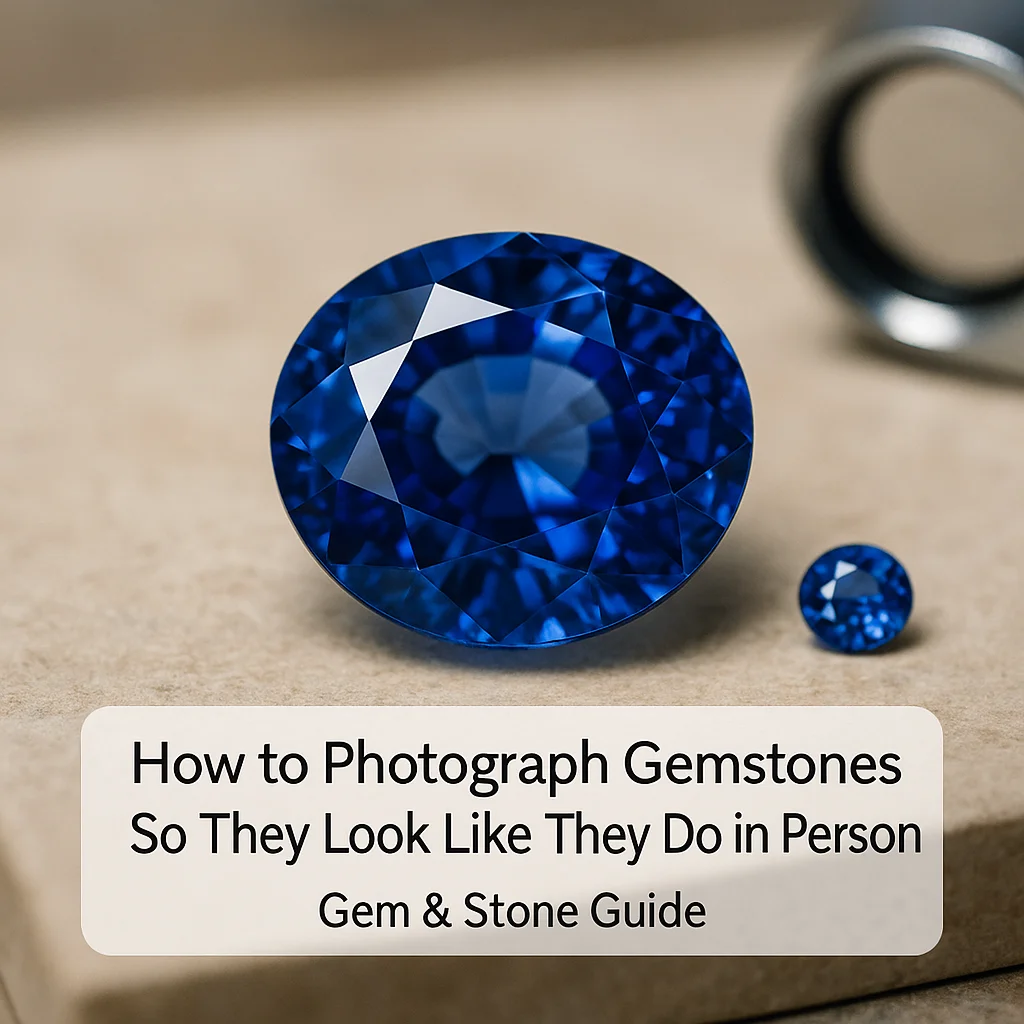
It’s a common scenario for buyers. At play is not only the artistry of photography but also the complexities of lighting and editing. The goal is to achieve a true-to-life representation.
To help guide you, here are quick actions you can take today:
- Inspect photos under different lighting conditions.
- Look for consistency across multiple images.
- Note any image enhancements or disclaimers.
- Check the seller’s return policy.
- Seek images that include a natural light perspective.
- Ask about the photography setup used.
- Ensure availability of certifications if needed.
- Consult trusted reviews.
🧪 What Actually Makes It “Real”
Understanding a gemstone's nature is crucial. Natural gemstones are mined from the earth, whereas lab-grown ones are crafted in controlled settings, sharing identical chemical structures.
Imitation stones may resemble real gems but are made from different materials, while assembled stones (like doublets and triplets) combine multiple parts, sometimes for enhancing appearance or durability.
From photos alone, discerning these differences is challenging. Price and authenticity "paperwork" can offer clues, but they aren't foolproof. Always consider expert validation, especially for high-value purchases.
🔍 My Buyer Checklist (Step by Step)
- If the image looks modified, request an original photo.
- If only studio photos are provided, ask for natural light shots.
- If the gemstone's color appears inconsistent, seek clarification on lighting used.
- If you see overly white backgrounds, check white balance issues.
- If there are no return policies, proceed cautiously.
- If the stone's heritage is essential, ask for necessary certificates.
- If any enhancements are unclear, inquire specifically about treatments.
- If the gem is precious, consider getting an expert opinion.
- Upon any doubt, validate through independent review platforms.
This checklist isn't about inducing worry but fostering informed decisions. Use these steps for checks without overreacting to potential inconsistencies.
⚠️ Mistakes People Make (And the Fix)
- Using too warm light: Opt for balanced, neutral lighting.
- Trusting overly perfect images: Expect some natural imperfections.
- Ignoring return policies: Prioritize flexible return options.
- Not asking for more images: Always ask for diverse angle shots.
- Overlooking photography note: Check for any "enhanced photo" disclaimers.
- Discounting certified reports: Always assess available documentation.
- Assuming price ensures quality: Trust, but verify through research.
- Ignoring seller history: Prioritize experienced and reviewed sellers.
🎨 Look & Red Flags That Matter
Gemstones possess unique characteristics altered by various factors. Lighting can drastically impact a gemstone’s appearance in photos; natural light often provides the truest hue.
The cut and polish significantly influence the sparkle, whereas inclusions might reveal internal imperfections that don't diminish value but affect visual symmetry. Surface coatings and dyes, while augmenting looks, might be reversible or damageable over time.
Common treatments, such as heating or irradiation, can change color or clarity. While usually disclosed, these details are often visible only through proper documentation or specialist verification.
🧼 Care & Storage (Safe Defaults)
- Do clean gemstones with mild soap and water.
- Don't use harsh chemical cleaners.
- Do use a soft cloth to dry the stones gently.
- Don't expose to extreme temperatures or sudden temperature changes.
- Do store gemstones separately to avoid scratches.
- If porous, avoid soaking; use a damp cloth.
- Don't leave gemstones in direct sunlight for extended periods.
- If treated, seek professional cleaning advice.
- Do handle gemstones with clean hands to avoid oils and dirt transfer.
- An opal or pearl needs extra care due to its sensitive nature.
🧾 What Certificates Can (and Can’t) Prove
Certification reports unravel mysteries behind what we see. Reputable labs typically assess attributes like weight, dimensions, color, clarity, and treatments.
However, sellers might exaggerate qualities or impact, misleading with overstated narratives. Certificates provide validation, but not always the complete truth of all features.
A report becomes especially valuable for significant investments, giving peace of mind concerning authenticity and traceable quality benchmarks. “Verified” claims must still align with physical inspections.
❓ Quick Questions Buyers Ask
Q: Can I rely solely on photographs for my purchase?
A: Photographs are indicative but not definitive. Cross-reference with detailed descriptions and certificates.
Q: What does a lab-grown designation mean?
A: Lab-grown stones are chemically identical to natural stones, crafted in labs instead of mined.
Q: How does lighting affect a gemstone’s photo?
A: Lighting can alter color and brilliance; neutral light captures truer representations.
Q: Are inclusions bad?
A: Not necessarily. Inclusions can authenticate natural origins, though they may affect clarity.
Q: Should I seek certifications for all gems?
A: Essential for high-value or collector items but optional for casual purchases.
Q: Can treatments be harmful?
A: Some treatments can negatively impact durability; professional advice is recommended.
Q: Do return policies matter?
A: Absolutely. They provide a safety net in case the gemstone isn’t as expected.
Q: What’s a doublet or triplet?
A: Assembled stones using multiple layers, often to enhance appearance or reduce cost.
📌 If You Only Remember 5 Things
- Always verify with multiple images and descriptions.
- Seek certificates for high-value gems for authenticity assurance.
- Choose sellers offering clear return policies.
- Check for lighting consistency in photographs.
- Confirm clarity whether the stone is natural, lab-grown, or treated.