💎 What “Clarity” Actually Means When You’re Not Buying Diamonds
🧭 The 60-Second Take
You've been scrolling through endless online listings, each gemstone accompanied by dazzling photos and enticing descriptions. It's easy to get lured by how perfect everything looks under the lights. But when buying colored gemstones, “clarity” takes a different shape.
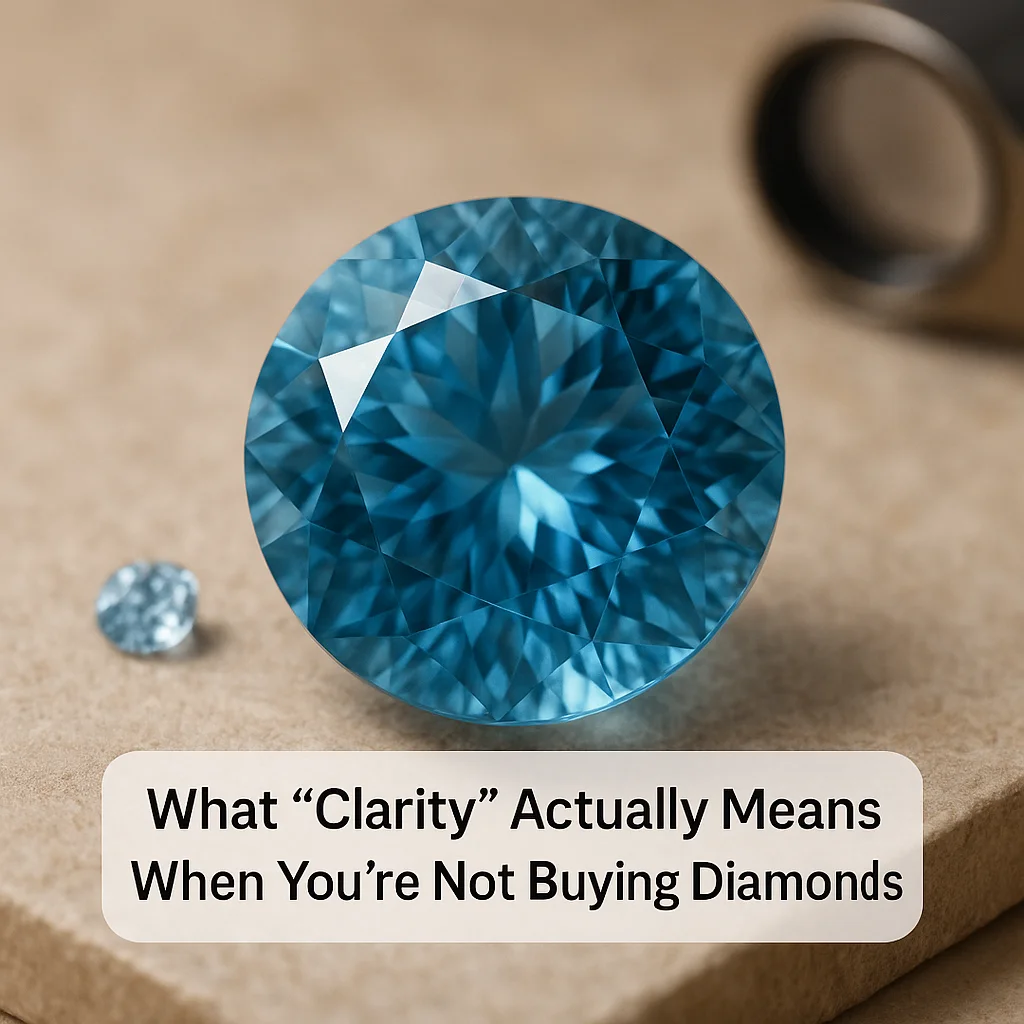
Gemstone clarity can be a confusing realm. The terms you see in diamond shopping don't always apply, and marketing can obscure what's truly important.
Here’s a quick action plan for navigating clarity when buying colored gemstones:
- Study the type of inclusions typical for the gemstone species you are considering.
- Always check the lighting conditions in which the gemstone photos were taken. Bright, white lighting can hide flaws.
- Request high-resolution images or video from different angles.
- Be skeptical of gemstones that look too perfect; natural stones often have inclusions.
- Review the return policy meticulously.
- Don’t rely solely on certificates—always use a reputable jeweler or gemologist for physical inspection.
- Ask about treatments that might have been applied to enhance clarity.
- Stay within your budget; more expensive doesn't always mean better.
🧪 What Actually Makes It “Real”
In the world of gemstones, “real” can mean several things. Natural gems are mined from the earth. Lab-grown stones have the same chemical composition as their natural counterparts but are created in controlled environments. Imitations or synthetic stones differ chemically and physically.
Buyers should be aware that photos can be deceiving. The color and clarity of a gemstone can change significantly depending on lighting conditions. Also, paperwork or “certificates” should be seen as only part of the buying process—not the ultimate proof of authenticity.
A higher price doesn't always guarantee natural clarity. Some treatments can boost clarity, making a stone appear flawless when it isn't. Always consult a reputable expert for high-value purchases.
🔍 My Buyer Checklist (Step by Step)
- Determine the type of gemstone you are interested in.
- If it’s natural but inexpensive, look for obvious signs of treatment.
- If it’s lab-created, decide if the lab authenticity matters to you.
- Check the reputation of the seller before proceeding.
- Ask if the stone has undergone clarity enhancements.
- If buying online, ask for detailed views from multiple angles.
- Examine the return policy—especially regarding shipping and restocking fees.
- Assess the inclusions visible and consult how common they are for this gem type.
- If unsure, seek a professional evaluation from a trusted gemologist.
- If the price is “too good to be true,” it probably is.
Following this checklist can ease anxiety while guiding you toward informed decisions. Rushing without vetting these steps can lead to disappointment or financial loss.
⚠️ Mistakes People Make (And the Fix)
- Relying on online photos alone. Always request additional imagery.
- Ignoring lighting differences. Check photos in various lighting conditions.
- Assuming a perfect stone is authentic. Natural stones often have flaws.
- Not asking about return policies. Always know your fallback plan.
- Forgetting to ask about treatments. Hidden treatments can affect value.
- Rushing the purchase process. Take your time to consider all details.
- Trusting paperwork too much. Certifications have limits.
- Underestimating the impact of surface coatings. Ask if they alter appearance or durability.
🎨 Look & Red Flags That Matter
When it comes to appearance, several factors affect how a gemstone looks in real life. Lighting is a major player—bright lights can hide imperfections. The cut of a gemstone can also amplify or hide inclusions.
Common market treatments like heat treatment or surface coating can alter a gemstone's clarity dramatically. Surface coatings, in particular, may not last and can change a gem’s long-term look.
Inclusions are natural and vary greatly between gemstone types. An inclusion in a sapphire might detract from its value, while an opal naturally contains them and still holds beauty and value.
🧼 Care & Storage (Safe Defaults)
- Use mild soap and water with a soft cloth for general cleaning.
- Avoid steam and ultrasonic cleaners, especially for treated stones.
- Store gemstones separately to prevent scratching.
- Be aware of which stones are porous or soft, like opal or turquoise.
- Keep gemstones out of direct sunlight to avoid fading.
- For porous stones, avoid prolonged watery environments.
- Be cautious with exposure to chemicals, even soaps and perfumes.
- Dry thoroughly before storing to prevent tarnishing or damage.
- Regularly check settings for loose stones, which can become lost.
- If unsure, consult a professional about special storage needs.
🧾 What Certificates Can (and Can’t) Prove
Gemstone certificates serve as educated assessments provided by reputable labs. They can inform buyers about the stone's type, clarity, treatments, and sometimes origin.
However, certificates are not failproof. They can't guarantee the quality or beauty of a stone. In unscrupulous hands, the same information can be 'enhanced' to sound more appealing than it truly is.
Certificates are most valuable with high-worth purchases or when specific treatments or origins significantly impact the gemstone value. Verify the lab's credibility to ensure the certificate holds weight.
❓ Quick Questions Buyers Ask
Q: How can I tell if a gemstone is natural?
A: Consult with a gemologist for testing, as visual inspection alone can be misleading.
Q: Does clarity matter as much as it does for diamonds?
A: No, clarity is less emphasized for colored stones compared to diamonds.
Q: Are all included gemstones low-quality?
A: No, inclusions depend on the gemstone type. Some with inclusions, like emeralds, are still valued highly.
Q: Can I clean all gemstones the same way?
A: No, always consider the gemstone's hardness and porosity before cleaning.
Q: Is it okay to buy from a new seller?
A: Proceed cautiously; check reviews, policies, and preferably consult a gemologist.
Q: Why might a gemstone be heavily discounted?
A: It could be synthetic, treated, or flawed. Investigate further.
Q: Do all treatments decrease gemstone value?
A: Not necessarily. Some treatments are widely accepted. Research specific cases.
Q: Can gemstones still change appearance after purchase?
A: Yes, due to wear, exposure to light, or reactions with chemicals, they can alter over time.
📌 If You Only Remember 5 Things
- Treatments can enhance clarity, but they may affect value.
- Perfect clarity in colored stones is unusual and can signal caution.
- Always question too-perfect images and ask about lighting.
- Verify the credibility of any certificate or report received.
- Remember, inclusions aren't inherently 'bad' and can even add character.