💎 Are Birthstones Lucky Myth vs Meaning
🪨 What It Is
Birthstones have fascinated humanity for centuries, with each month traditionally linked to a specific gemstone. These gemstones, found in various parts of the world, are often imbued with cultural significance and personal meaning. But what truly defines a birthstone? Is it simply a gem variety, a mineral, or something more exotic?
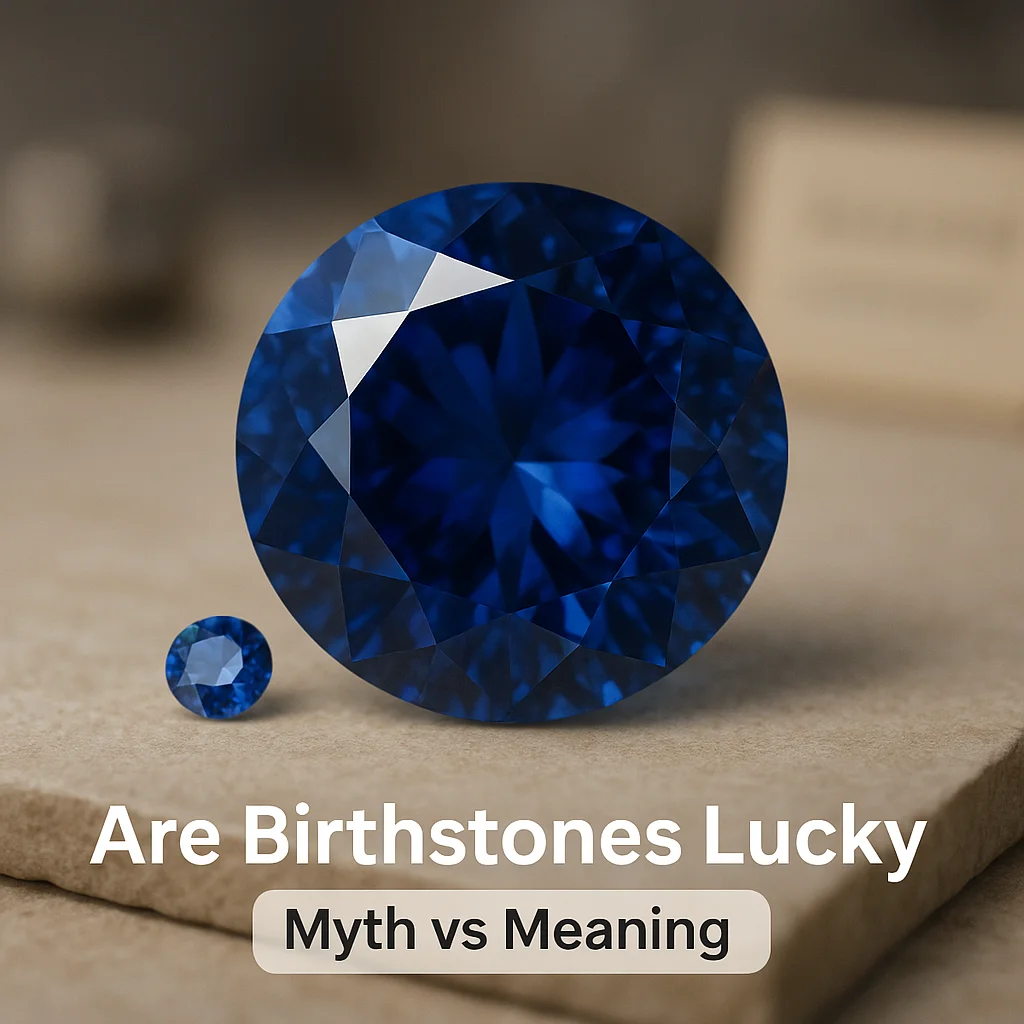
In gemological terms, a birthstone can be a range of materials: minerals, such as emerald or sapphire, organic gems like pearl, or rocks such as lapis lazuli. Each has unique characteristics and historical significance tied to its status as a birthstone.
This article will delve into the properties, origins, and cultural meanings of birthstones. You'll gain insight into their appearance, the science behind their formation, and practical tips for purchasing and care, avoiding unsupported claims while appreciating their timeless allure.
🌍 Where It Comes From
Birthstones occur across a variety of geologic settings, each contributing to their unique characteristics. For instance, minerals like garnets form in metamorphic rocks, while sapphires often originate in igneous rocks that have undergone high-temperature transformations.
Birthstone gems can be found worldwide, with some regions particularly known for high-quality specimens. Rubies, for example, are predominantly sourced from Myanmar, renowned for their rich color and clarity. Such origins can enhance a stone's market reputation, making provenance a key concern for collectors and enthusiasts.
While location plays a role in quality, advancements in gemological treatments mean many gems on the market may have origins less significant to their current state. It is essential to understand both the potential and limitations of past formation environments.
🔬 How It Forms
The formation of birthstones varies significantly with the type of gemstone. For example, diamonds form under extreme pressure and temperature in the Earth's mantle, a process taking millions of years. In contrast, opals are created from silica-rich fluids slowly solidifying in spaces between rocks.
Trace elements often dictate a gemstone's coloration. Chromium gives rubies their red hue, whereas iron results in the blue of sapphires. These trace elements can alter chemical structures, leading to the variety seen within the same mineral family.
The way a gemstone forms affects its crystal habit, which is the typical appearance or shape of its crystals. For example, emeralds often form hexagonal crystals, while opals are known for their play-of-color due to microscopic silica spheres.
🎨 Color and Look
Color is often the most striking feature of a gemstone, and birthstones are no exception. Their typical color range can vary widely, from the vivid red of garnets to the serene blues of aquamarines. The visual appeal of these stones can be influenced by clarity and cut, impacting their overall brilliance.
Optical effects also contribute to a gemstone's allure. Chatoyancy, or the cat's-eye effect, and asterism, seen as a star-like shape on the surface, add unique qualities to certain birthstones. Treatments like heat or dye can enhance or alter a gem's appearance, though these changes should be disclosed at purchase.
While lighting can have a profound impact on a gemstone's perception, some stones like alexandrite are renowned for color-changing effects, shifting between hues in different lighting conditions, further enhancing their distinctive characteristics.
🧪 Properties That Matter
When assessing a gemstone's suitability for daily wear, key attributes like Mohs hardness and toughness are essential. Mohs hardness evaluates a gem's scratch resistance, with diamonds rated as the hardest at 10, and more delicate gems like opals much lower.
Toughness refers to resistance to chipping or fracturing, distinct from hardness. A stone with perfect cleavage may split along particular planes if struck. This can affect decisions on setting types and usage in jewelry.
Understanding luster—the way a gemstone reflects light—and transparency can guide whether a gem is best suited for necklaces, rings, or other ornaments. For instance, the high transparency of aquamarines makes them suitable as centerpieces in elegant settings.
✨ Meanings, Birthstones, and Culture
The tradition of birthstones dates back centuries, with each stone believed to bring particular benefits or insights to those born in its corresponding month. For example, amethyst is traditionally associated with February and is said to symbolize peace and courage in various cultures.
Birthstones are often woven into modern jewelry traditions, with many people wearing them for personal significance rather than superstitious benefits. Gemologists emphasize that while cultural ties are rich, claims of inherent "luck" or "energy" should not be seen as scientific.
It's important to approach birthstones with a sense of appreciation for their aesthetic and historical value rather than expecting mystical properties. They serve as personal tokens, imbued with cultural lore and individual narratives.
🧼 Care and Cleaning
Proper care and cleaning are crucial to maintaining a gemstone's beauty. Mild soap and water are generally safe for most stones. Use a soft cloth to clean, avoiding harsh chemicals that might damage more delicate gems.
Sudden temperature changes can be detrimental, especially for stones like opals and emeralds, which may crack or lose luster. Long soaking or exposure to extremes should be avoided to preserve longevity.
Storing gemstones separately can prevent scratches. Wrap stones in soft cloth, and for softer gems such as pearls or turquoise, keep them in a dry environment to maintain their natural allure.
🛒 Buying Tips and What to Check
Several factors affect the price and quality of birthstones: color intensity, clarity, and cut are key considerations, while carat size and origin reputation can also play significant roles in valuation.
Inquiring about possible treatments is vital, as treatments can enhance appearance but may also alter durability. A credible lab report can provide assurance about a gem's attributes.
When buying online, ensure the seller provides detailed photos, a clear return policy, and full disclosure on the gem's characteristics. Research the seller's reputation to avoid potential pitfalls in acquiring your birthstone.
⚠️ Real vs Fake and Common Look-Alikes
Understanding the distinctions between natural and synthetic gems is important. While synthetic gems have the same chemical composition as natural ones, they are created in laboratories.
Imitations or composites, like doublets and triplets, use cheaper materials to mimic the appearance of real gemstones. Recognizing these differences is essential for informed purchasing decisions.
Common look-alikes, such as glass or plastic, sometimes confuse buyers due to their similar appearance. Professional gemological testing is often necessary to confirm authenticity, as self-testing can be unreliable and risky.
❓ Common Questions and Misconceptions
Is it a mineral or a rock? Most birthstones are minerals, though some like lapis lazuli and opal are rocks or mineraloids.
Is it a birthstone? Each month is traditionally associated with one or more gemstones.
Will it scratch easily? This depends on Mohs hardness, with harder stones being less prone to scratches.
Can it go in water? While many stones can be cleaned with water, some, like opals, should have limited exposure.
Does color fade in sunlight? Some stones, particularly those with dyes, may fade if left in direct sunlight for extended periods.
What treatments are common? Heat treatment is common for color enhancement, while other stones may be dyed or oiled.
Is lab-grown 'fake'? Lab-grown stones are considered real but not natural; they share the same properties as natural stones.
How do I store it safely? Use soft cloths and individual storage spaces to avoid scratches and damage from other stones.
Do inclusions always lower value? Not always. Some inclusions are valued for adding unique character, but severe inclusions can lessen clarity.
How do I pick a good one for jewelry? Focus on color, clarity, and cut for appeal and practicality, and ensure durability for the intended use.
📌 Summary
- Birthstones are distinctive gems associated with each month.
- They exhibit a range of colors and optical features.
- Formed through various geological processes.
- Mohs hardness and toughness dictate their jewelry suitability.
- Treatments can enhance gem appearance but should be disclosed.
- Cleaning generally involves mild soap and soft cloths.
- Rings benefit from harder stones; pendants and earrings offer more options.
- Beware of look-alikes and ensure proper identification.
- Lab reports help confirm authenticity and treatments.
- Birthstones carry cultural significance in traditions, not scientific proof.
- Consider origin and market reputation when buying.
- Embrace birthstones for their beauty and historical allure.