💎 August Birthstone Peridot
🪨 What It Is
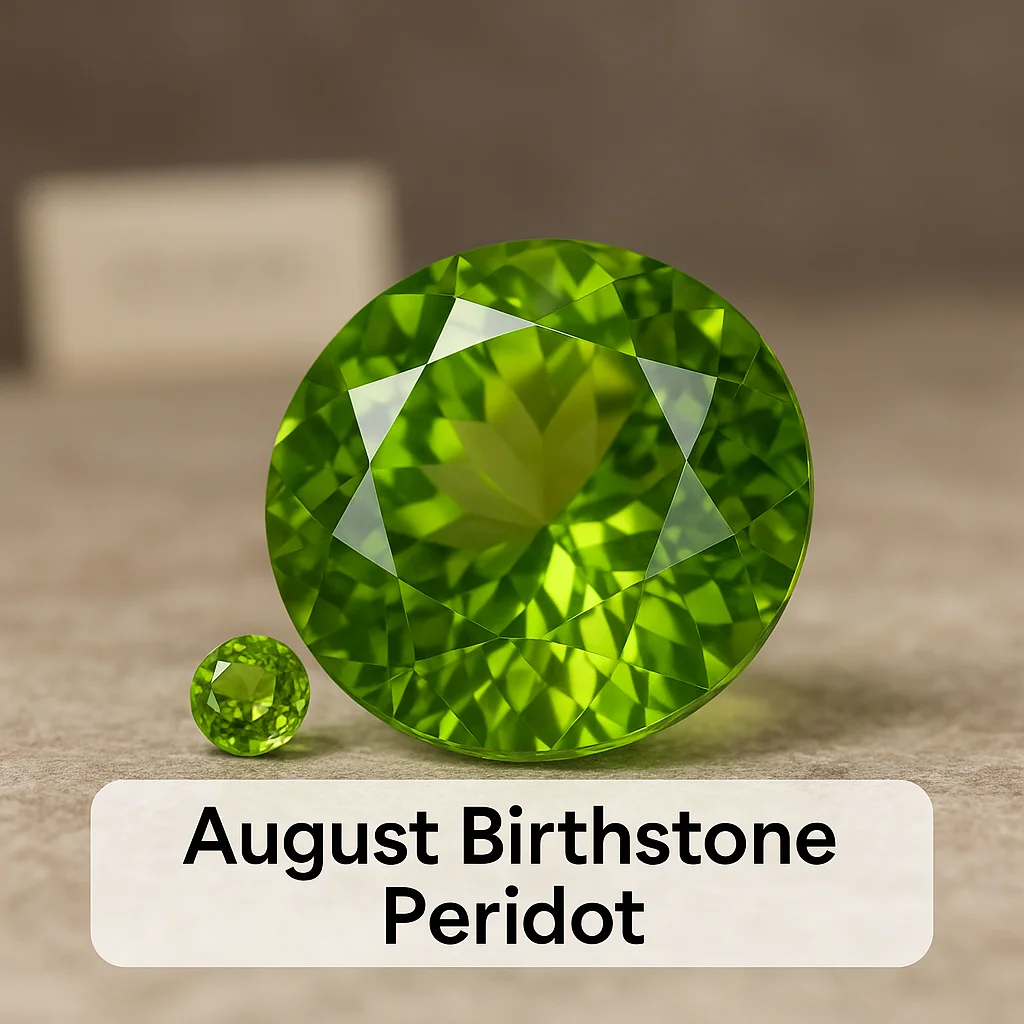
Peridot is a vibrant green gemstone that belongs to the mineral family called olivine. As a gemstone, it is specifically the transparent variety of olivine. Peridot is widely known for its striking color and is the birthstone for the month of August. Its bright, olive-green hue makes it a popular choice in jewelry, especially for those born in August.
In this article, we will explore various aspects of peridot, including its appearance, properties, origins, formation, cultural significance, and tips for care and purchasing. The aim is to provide beginner-friendly insights into this beautiful gemstone.
By the end of this article, you will have a better understanding of what makes peridot unique, how to care for it, and what to look for when buying peridot jewelry. Whether you are a gemstone enthusiast, a prospective buyer, or simply curious about birthstones, you're in the right place.
🌍 Where It Comes From
Peridot forms in specific geological settings, primarily in igneous rocks. It commonly occurs within the Earth's mantle and is brought to the surface by volcanic activity. The mineral olivine is a major component of basalt, a common volcanic rock, and peridot can form as crystals within these rocks.
Across the globe, peridot is found in several significant regions, with notable deposits in parts of Africa, Asia, and the United States. Historically, an important source of fine-quality peridot has been the island of Zabargad in the Red Sea. However, peridot from Pakistan's Kashmir region and the United States' San Carlos Apache reservation in Arizona also enjoys a good reputation.
The origin of peridot can influence its market value. Gems from certain regions may be prized for their particular color or clarity. However, it's essential to rely on physical examination and reports rather than solely on origin claims when evaluating this gem's quality.
🔬 How It Forms
Peridot forms deep within the Earth’s mantle under high temperatures and pressures. The mineral olivine crystallizes from magma or lava, initially at great depths. As volcanic eruptions occur, this olivine is brought closer to or on the Earth’s surface, forming peridot crystals.
The distinct green color of peridot is due to its iron content. Unlike other gemstones that may derive their color from trace elements, the color in peridot is an intrinsic property of its chemical composition. Therefore, peridot always manifests in shades of green, ranging from yellowish-green to olive, depending on the amount of iron present in the crystal structure.
🎨 Color and Look
Peridot typically displays a remarkable green color that ranges from light olive to vibrant yellowish or brownish green. The intensity of the green can vary based on the iron content in the stone. Peridot's color remains relatively consistent under various lighting conditions, making it a unique member of the olivine family.
The appearance of peridot can be affected by how it is cut and polished. A skilled cut can enhance its natural color and brilliance. Clarity is also crucial, as inclusions can affect the gem's transparency. Peridot generally does not undergo treatments like heating or irradiation to alter its color, which appeals to those looking for natural, untreated gems.
🧪 Properties That Matter
When considering peridot for jewelry, understanding its physical properties can help in making informed choices. On the Mohs hardness scale, peridot is rated between 6.5 and 7, meaning it is somewhat resistant to scratches but not as hard as stones like sapphire or diamond. This hardness makes it suitable for various types of jewelry but requires some caution to avoid scratches during everyday wear.
Peridot's toughness is fair, meaning it can resist chipping under normal wear but can be susceptible to impact damage. It does not have cleavage, which refers to the way a gem breaks along certain surfaces, but it may fracture along lines of imperfection.
The luster of peridot is vitreous, giving it a glass-like sheen when cut and polished well. Its transparency ranges from translucent to transparent, and clearer stones with fewer inclusions are generally more valuable.
✨ Meanings, Birthstones, and Culture
Peridot has been traditionally associated with the month of August, making it the official birthstone for August. Beyond its birthstone status, peridot carries a range of cultural symbols and associations. In ancient times, it was thought to ward off evil spirits and enhance the wearer's confidence and influence.
Many cultures have embraced peridot due to its perceived mystical properties. However, it is vital to note these associations are cultural and traditional rather than scientifically proven. In modern jewelry traditions, peridot remains a favorite for its vibrant, cheerful color, which symbolizes renewal and positivity.
🧼 Care and Cleaning
Caring for peridot jewelry requires gentle handling. The best way to clean peridot is with warm soapy water and a soft cloth. It is advisable to avoid harsh chemicals or ultrasonic cleaners, as these can damage the stone.
Peridot is sensitive to quick temperature changes, which might cause it to fracture. Therefore, avoid exposing it to direct heat sources or rapid cooling. It is also best to store peridot separately from other gemstones to prevent scratching. Using a soft pouch or a lined jewelry box is recommended for safe storage.
🛒 Buying Tips and What to Check
When buying peridot, consider factors such as color, clarity, cut, and carat weight. The most desirable peridot has a vivid green color with good transparency and minimal inclusions. Larger stones with intense color tend to be more valuable.
Always inquire about possible treatments and ask for a gemological report for high-value purchases. Reports can verify the gemstone's identity but might not guarantee the absence of treatment, so ask sellers for detailed information.
For online purchases, ensure detailed photos, understand the return policy, and check the seller's reputation. Transparent disclosure of the gem's origins and any treatments is crucial when selecting peridot.
⚠️ Real vs Fake and Common Look-Alikes
Peridot can be confused with several other green gemstones and materials. Real peridot is naturally occurring, but it can also be lab-grown, known as synthetic. Synthetic peridot has the same chemical properties as natural peridot but is created in a controlled environment.
Imitations, such as glass or plastic, may look similar to peridot but do not share the same properties. Doublets or triplets, which combine layers of different materials, can also mimic the appearance of natural gemstones.
Common look-alikes include green tourmaline and green glass. Reliable identification of peridot should be conducted by a professional gemologist using appropriate testing methods.
❓ Common Questions and Misconceptions
Is it a mineral or a rock? Peridot is a mineral, specifically the gem variety of olivine.
Is it a birthstone? Yes, peridot is the birthstone for August.
Will it scratch easily? Peridot has a Mohs hardness between 6.5 and 7, so it is relatively scratch-resistant but not as hard as some other gemstones like sapphire.
Can it go in water? Peridot can tolerate brief exposure to water but should not be soaked for long periods.
Does color fade in sunlight? Prolonged exposure to intense sunlight can cause peridot to fade slightly over time.
What treatments are common? Peridot is generally not treated to enhance its color or clarity.
Is lab-grown 'fake'? Lab-grown peridot is not fake; it is chemically identical to natural peridot but made in labs.
How do I store it safely? Store peridot jewelry in a soft pouch or lined box to prevent scratches.
Do inclusions always lower value? Inclusions can impact value, particularly if they affect the stone's clarity significantly.
How do I pick a good one for jewelry? Choose peridot with even color and few visible inclusions; consider cut and setting for best appearance.
📌 Summary
- Peridot is a vibrant green gemstone and the August birthstone.
- It ranges from light olive to vivid yellow-green.
- Forms through volcanic processes, originating deep in the Earth.
- Its hardness makes it suitable for most jewelry, with caution needed in wear.
- Usually untreated and valued for natural color and clarity.
- Gently clean with warm, soapy water; avoid chemicals.
- Ideal for earrings, pendants, and occasional-wear rings.
- Look-alikes include green glass and certain green gemstones.
- Genuine peridot confirmed through gemological testing.
- Inspect for color, clarity, and weight when purchasing.
- August birthstone; traditionally linked with protection and positivity.
- Distinctive formation makes peridot a geological marvel.