💎 Best Birthstone Cuts and Settings
🪨 What It Is
Birthstones are a special category of gemstones, symbolically connected to each month of the year or zodiac signs. These stones may be minerals, organic gems, or rocks, each with unique properties and aesthetic appeal.
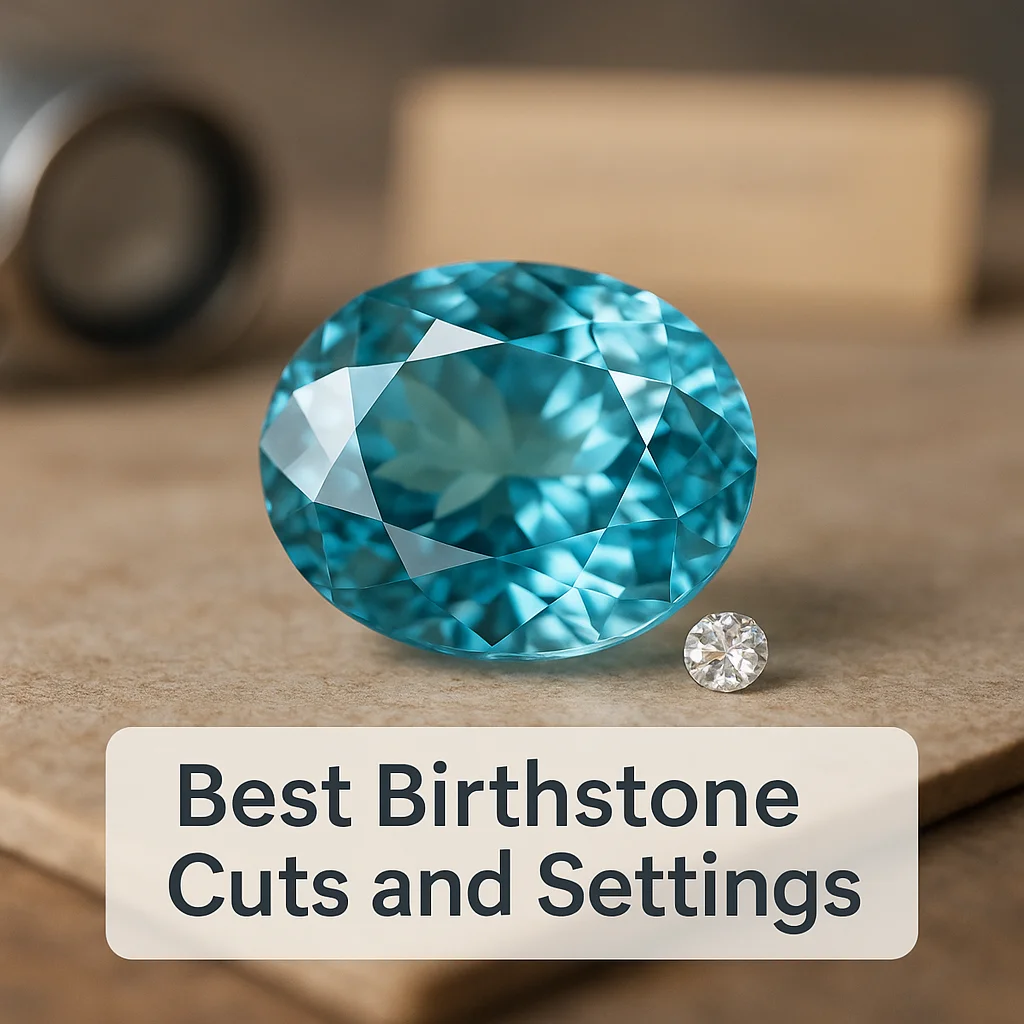
Gemologists and enthusiasts alike appreciate the beauty and significance of birthstones. In this article, we will explore the best cuts and settings for these cherished stones, considering their visual properties, care requirements, and cultural significance.
By understanding the nature of each birthstone, including its appearance, origin, value, and care tips, you'll be well-equipped to make informed decisions regarding cuts, settings, and overall maintenance.
🌍 Where It Comes From
Birthstones form in various geologic environments, including igneous, metamorphic, and sedimentary settings. For example, diamonds, the birthstone for April, commonly originate in igneous environments, crystallizing deep within the Earth's mantle under tremendous heat and pressure.
Emeralds, representing May, are typically found in metamorphic rocks, primarily in Colombia and parts of Africa, known for their unique color caused by trace amounts of chromium and vanadium. Topaz, the November birthstone, can be found in igneous environments, notably in Brazil, offering a spectrum of colors due to natural impurities.
The origin of a gemstone often influences its color and clarity, contributing to its overall market value. Certain regions may be renowned for producing particularly vivid or high-quality examples, enhancing their desirability.
🔬 How It Forms
Birthstones form over millions of years, under specific geologic conditions. Heat, pressure, and the presence of certain minerals contribute to the formation of distinct colors and crystal habits. For instance, rubies, the birthstone for July, acquire their vivid red hues from chromium.
Amethysts, assigned to February, are a type of quartz characterized by their purple color, caused by irradiation and the presence of iron. Varied colors in gemstones are often the result of trace elements and structural defects within the crystal lattice.
These stones can form as crystalline structures, such as diamonds, or occur naturally as nodules or geodes, exemplified by opals from October, which develop their play-of-color in the cavities of sedimentary rocks.
🎨 Color and Look
Birthstones display a range of captivating colors and appearances. Their visual appeal is influenced by cut, polish, lighting, and clarity. For example, the deep red of garnet, January’s birthstone, reveals its full luster when expertly cut and polished.
Certain stones exhibit optical effects, such as chatoyancy in cat's eye chrysoberyl or asterism in star sapphires. Treatments like heat or irradiation may enhance a stone's color, but such practices should always be disclosed as they can affect value and care.
Clarity also plays a role in a gemstone’s aesthetics. Clearer stones often command higher prices, but some inclusions can enhance the visual intrigue, particularly in stones such as opals, where they contribute to a unique appearance.
🧪 Properties That Matter
Understanding a gemstone’s properties is crucial when selecting cuts and settings. The Mohs hardness scale, which ranges from 1 (soft) to 10 (hard), measures scratch resistance. Diamonds score a 10 and are suitable for daily-use jewelry, whereas opal, with a hardness of around 5.5, is better suited for less vulnerable settings like pendants.
Gemstones also vary in toughness—the ability to resist chipping—and cleavage, describing how a stone breaks. While diamonds are hard, their perfect cleavage poses a risk in certain settings.
Other factors include luster, the way light reflects off a gemstone, and transparency, which affect how the stone is perceived. Stones with higher transparency and bright luster, like sapphires, often excel in elegant faceted cuts.
✨ Meanings, Birthstones, and Culture
Throughout history, birthstones have been associated with cultural symbolism and folklore. For instance, amethysts are traditionally associated with February and believed to promote calmness. The practice of wearing birthstones is a modern tradition that connects individuals to specific months or zodiac signs.
While scientific research does not support the claimed effects of birthstones, these stones hold significant cultural value, often used in personalized jewelry like rings and pendants to symbolize personal identity and heritage.
Understanding the cultural context of each birthstone can enhance your appreciation and selection, especially when incorporating them into significant items like engagement rings or family heirlooms.
🧼 Care and Cleaning
Proper care and cleaning ensure the longevity and beauty of birthstones. Generally, gentle soap and water are recommended for cleaning, using a soft cloth to avoid scratches. Avoid harsh chemicals that could damage the surface or treatments that have been applied to the stone.
Certain stones require special care. Opals are sensitive to heat and sudden temperature changes, while pearls, with their organic origin, can be affected by chemicals in perfumes or lotions.
To prevent scratches, store birthstones separately in soft cloth bags or lined jewelry boxes, ensuring that harder stones don’t damage softer ones, preserving their beauty over time.
🛒 Buying Tips and What to Check
Several factors affect the price and quality of a gemstone, including color, clarity, cut, carat weight, and origin. It’s crucial to inquire about any treatments the stone has received and to request a gemstone report for high-value purchases.
Gemstone reports, available from reputable labs, verify certain qualities like natural versus synthetic origin but can't authenticate every claim. Therefore, they are helpful in ensuring the disclosed characteristics match the actual stone.
For online purchases, ensure that the seller provides clear photographs, a favorable return policy, and full disclosure of any treatments. Research sellers for reliability and customer satisfaction to make informed decisions.
⚠️ Real vs Fake and Common Look-Alikes
It's important to understand the difference between natural, synthetic, and imitation stones. Synthetic stones have the same chemical properties as their natural counterparts but are grown in laboratories. They are not "fake," but they lack the rarity and historical value.
Imitations, such as glass or plastic, attempt to mimic the appearance of gemstones without the same properties. Assembled stones, like doublets or triplets, combine materials to enhance or mimic natural gemstones.
Common look-alikes can confuse buyers, such as spinel being mistaken for ruby. Professional testing by gemologists or jewelers can accurately identify and differentiate these stones, offering an added layer of security for buyers.
❓ Common Questions and Misconceptions
Is it a mineral or a rock? Most birthstones are minerals like emerald or ruby, but some, like opal, are considered precious rocks.
Is it a birthstone? Each birthstone corresponds to a specific month or zodiac sign, recognized in modern traditions.
Will it scratch easily? It depends on the Mohs hardness. Diamonds are very scratch-resistant, while opals are more susceptible.
Can it go in water? Generally, mild soap and water are safe for cleaning, but prolonged exposure should be avoided for stones like opal.
Does color fade in sunlight? Some stones, like amethyst, can fade when exposed to direct sunlight over time.
What treatments are common? Heat, dye, and irradiation are common; inquire about them as they affect value.
Is lab-grown "fake"? No, lab-grown stones are not fake; they are chemically identical but less rare.
How do I store it safely? Store separately in soft bags or lined boxes to prevent damage.
Do inclusions always lower value? Not necessarily; unique inclusions can sometimes add to a stone's character.
How do I pick a good one for jewelry? Consider the durability, aesthetic appeal, and personal significance when choosing.
📌 Summary
- Birthstones are minerals, organic gems, or rocks with traditional meaning.
- They exhibit typical colors and appearances influenced by their formation.
- Formed through natural processes influenced by environment and trace elements.
- Key properties include hardness and luster, affecting their use and care.
- Common treatments like heat enhance color but affect value and care.
- Gentle cleaning and proper storage prolong gemstone health and appearance.
- Ideal jewelry uses include considering durability and setting type.
- Natural vs synthetic and imitation distinctions are crucial for buyers.
- Professional verification authenticates origins and properties of stones.
- Buying tips include checking treatments and seller credibility.
- Birthstone connections are based in cultural tradition, not scientific effect.
- Memorable takeaway: Choose stones for both beauty and personal connection.