💎 Birthstone Chart Traditional vs Modern
🪨 What It Is
Birthstones are gemstones that are traditionally associated with each month of the year. They have been used throughout history in jewelry and have cultural significance as symbols of personal birth months. The birthstone chart consists of both traditional and modern listings, each with its unique background and historical relevance.
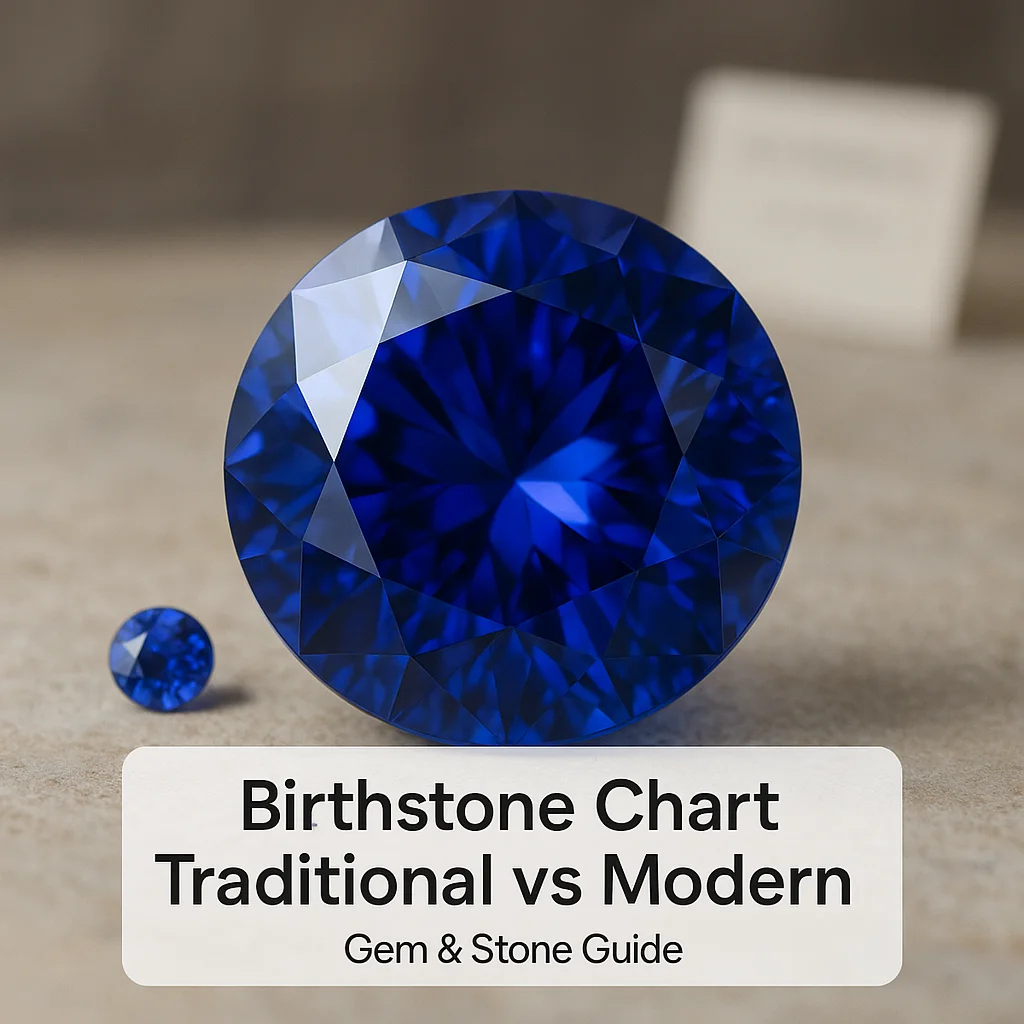
Traditional birthstones have been around for centuries and have origins that can be traced back to biblical times, where gemstones were worn by the high priests of Israel. As time progressed, specific stones became associated with each month. Modern birthstones, on the other hand, were standardized in the early 20th century by the American National Retail Jewelers Association, now known as Jewelers of America, to include gems that are more readily available and often more durable.
In this article, you will learn about the appearance, properties, origin, value, care, and buying tips for birthstones, comparing the traditional and modern perspectives. This knowledge will help you understand the diversity of options and their significance, aiding in making informed decisions about acquiring and caring for these gemstones.
🌍 Where It Comes From
Birthstones occur in various geologic settings, depending on the type of gem. Many of the traditional gemstones come from igneous and metamorphic rocks, where they form under conditions of high pressure and temperature. Others come from sedimentary processes or are formed by organic activity, such as pearls, which are created by mollusks.
The origins of birthstones can affect their value, color, and clarity. For example, sapphires from Kashmir are highly prized for their rich, velvety blue color, while emeralds from Colombia are known for their vibrant green hues. When exploring birthstones, it is important to consider the region of origin, as this can impact both the stone's visual appeal and market reputation.
There are also synthetic and lab-created versions of birthstones. These are designed to mimic natural stones and are often more affordable. While they may not carry the same historical and cultural weight, they offer a practical alternative for those looking for beautiful gemstones without the higher price.
🔬 How It Forms
The formation of birthstones involves complex geological processes. When considering traditional gemstones, many form in igneous environments, where minerals crystallize from molten rock as it cools. Others, like garnet and peridot, crystallize in metamorphic settings, where existing rocks are transformed by heat and pressure.
Certain gemstones owe their color to trace elements or natural inclusions. For example, the presence of chromium creates the deep red hues of rubies, whereas iron and titanium can give sapphires their exquisite blue color. These 'impurities' are essential in defining the identity and beauty of many birthstone varieties.
Some crystals, such as quartz, grow in geodes—spherical hollow rocks lined with crystal formations. These can create fascinatingly intricate and colorful specimens highly prized among collectors and jewelers alike.
🎨 Color and Look
Each birthstone is renowned for its color and appearance. For instance, January's garnet is usually deep red but can range through shades like green, yellow, and purple. February's amethyst shows a striking violet, while March's aquamarine offers blue to blue-green shades, reminiscent of the ocean.
The appearance of these stones can be enhanced or altered through various treatments. Heat treatment is common for stones like sapphire and topaz, which can improve or change color. Those seeking untreated stones should always inquire about potential enhancements when purchasing.
The cut and polish of a gemstone also significantly influence its optical properties. A well-cut gem will reflect light beautifully and enhance the stone's natural color, making it more appealing.
🧪 Properties That Matter
Understanding a birthstone's practical properties is crucial for ensuring it withstands daily wear and potential damage. The Mohs hardness scale is commonly used to measure scratch resistance, with diamonds at the top of the scale, indicating exceptional durability for daily wear.
Toughness refers to a gemstone's ability to resist chipping and breaking. For example, jade is prized not only for its beauty but also for its toughness, making it suitable for carvings and intricate designs. In contrast, gems with poor cleavage can break more easily and are better suited to protective settings in jewelry.
Other properties, like luster and transparency, further contribute to a gemstone's visual appeal, affecting how it interacts with light and how it is valued by consumers.
✨ Meanings, Birthstones, and Culture
Traditionally, birthstones have been associated with various meanings and attributes. Garnet, the birthstone for January, is said to symbolize loyalty and piety. Amethyst, for February, has been linked with peace and mental clarity.
Modern jewelry traditions often incorporate birthstones into sentimental pieces, like personalized rings or necklaces, where they serve as placeholders for meaningful dates and occasions. Whether celebrating a birth, an anniversary, or another memorable event, birthstones are classic and enduring choices.
The differences between the traditional and modern birthstone charts can sometimes lead to confusion. Traditionally speaking, some months had different stones than they do on modern charts. For example, March's original birthstone was bloodstone, while aquamarine is recognized today.
🧼 Care and Cleaning
Proper care extends the life and beauty of birthstones. Basic cleaning typically involves warm, soapy water and a soft cloth, ensuring harmful chemicals or abrasive materials do not damage the stone. Rinsing well after cleaning helps prevent residue build-up.
Some stones require special care due to softness or porosity. Pearls, opals, and turquoise, for example, are vulnerable to acids and require extra caution to prevent staining or drying. For such stones, extended soaking should be avoided, as well as abrupt temperature changes that might induce cracking.
Jewelry storage is also crucial. Storing pieces separately, using soft pouches or lined compartments, helps prevent scratching and tangling, keeping your birthstone jewelry safe and pristine.
🛒 Buying Tips and What to Check
When purchasing birthstones, several factors influence their price and quality, such as color saturation, clarity, size, and cut. Asking sellers about treatments and requesting gemological reports can provide added assurance regarding the stone's authenticity.
Gemological reports offer insight into a stone’s specifications, such as its authenticity and any enhancements it may have undergone. However, these reports do not necessarily reflect the market value.
When buying stones online, ensure the seller is reputable, check the return policy, and examine photographs closely for discrepancies. Establishing trust with sellers is vital to avoid potential disappointments.
⚠️ Real vs Fake and Common Look-Alikes
The world of gemstones includes both natural and synthetic options. Natural stones form over thousands of years, while synthetic, lab-grown stones mimic their natural counterparts in appearance and properties. Imitations, like glass, aim to replicate the look but not the composition of a gemstone.
Common look-alikes, such as CZ or cubic zirconia, can be misleading when compared to diamonds due to their similar appearance but vastly different value and durability. Synthetic stones, though sharing properties with natural gems, lack the geological history yet provide a more affordable and ethical, option.
Professional gemological testing is the recommended method for distinguishing between natural and synthetic stones, as visual examination alone might not suffice.
❓ Common Questions and Misconceptions
Is it a mineral or a rock? Most birthstones are minerals, with the notable exception of pearl which is organic.
Is it a birthstone? Yes, each month has one or more birthstones associated with it through traditional and modern lists.
Will it scratch easily? This depends on the gemstone's hardness. For instance, diamonds are very hard, while opals are softer and more prone to scratches.
Can it go in water? Generally, yes, for most stones, but caution is advised for porous gems like opal or turquoise.
Does color fade in sunlight? Some stones, like amethyst, can fade with prolonged exposure to sunlight.
What treatments are common? Heat treatment is common in gems like sapphire and ruby to enhance color and clarity.
Is lab-grown 'fake'? Lab-grown stones are not fake but synthetic. They have similar properties to natural stones.
How do I store it safely? Store them in separate compartments or soft pouches to prevent scratching.
Do inclusions always lower value? Not necessarily. Some stones, like emerald, are known for having inclusions and these can add character.
How do I pick a good one for jewelry? Consider durability and personal preference, and ensure settings protect softer stones in daily-wear pieces.
📌 Summary
- Birthstones are gemstones linked to calendar months.
- Typical colors range widely, e.g., garnet’s deep reds, amethyst's purples.
- Formation occurs under specific geological conditions.
- Mohs hardness assesses scratch resistance, important for wearability.
- Look for common treatments like heat that can affect appearance.
- Gentle cleaning is recommended, avoiding harsh chemicals.
- Best jewelry uses depend on stone hardness, e.g., ring or pendant.
- Synthetics and imitations present alternatives but have different values.
- Authenticity confirmed through professional gem analysis.
- When buying: inspect reports, question treatments, verify sellers.
- Birthstones tie into cultural and traditional practices.
- Memorable takeaway: each stone features unique beauty and history.