💎 Birthstone Jewelry Care Tips
🪨 What It Is
Birthstone jewelry is popular around the world, often given as gifts to symbolize personal significance and worn to celebrate one's birth month. Each birthstone is a specific type of gemstone associated with a month, such as garnet for January and amethyst for February. The stones can vary in composition, from minerals to organic gems.
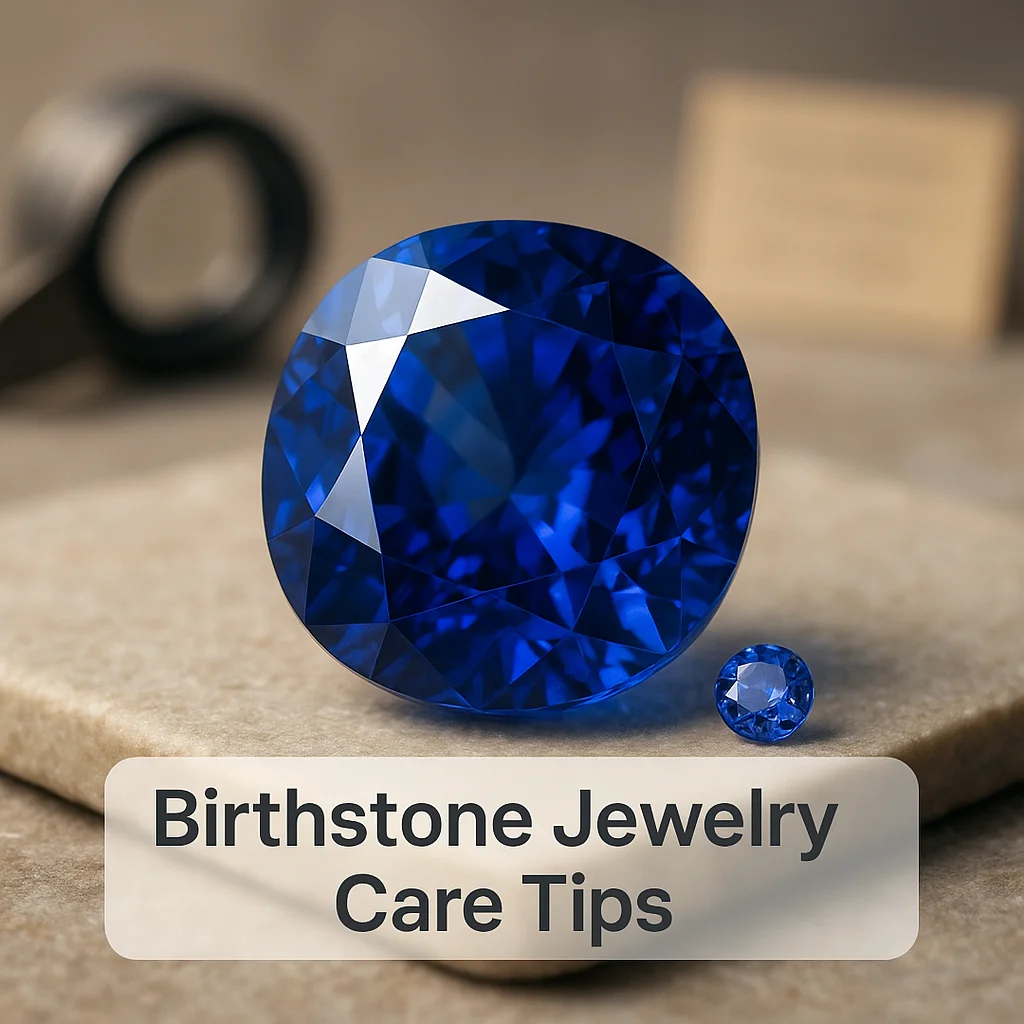
Understanding what a birthstone is can significantly enhance your appreciation and care routine. Birthstones are typically categorized based on their mineral composition, color, and the folklore associated with them. Learning about these stones can help you make informed decisions about their maintenance and care.
In this article, you will discover important aspects of birthstone jewelry, including its appearance, physical properties, common origins, and practical tips for cleaning and storing these cherished gems. Our focus is on making this information accessible and comprehensible for beginners.
🌍 Where It Comes From
Birthstones can be sourced from various parts of the world, with each type of stone having its own geological origins. Some originate in igneous rock formations, having crystallized from molten magma deep within the Earth. Others form in sedimentary or metamorphic environments, influenced by intense heat and pressure over time.
For instance, amethysts are often found in igneous settings, while sapphires and rubies emerge from metamorphic rocks. Regions famous for specific birthstones include Sri Lanka, which is known for its sapphires, and Brazil, where amethysts are predominantly mined.
The origin of a gemstone can influence its color, size, and clarity, which in turn affects its market value. Gemstones from certain locations may be valued more highly due to their perceived rarity or particular qualities often associated with those regions.
🔬 How It Forms
Gemstones form under a variety of geological conditions. Many birthstones arise from the cooling of magma or lava, a process that can take millions of years. Others, like pearls, form organically within oysters or mollusks in marine environments, growing layer by layer over time.
The specific color of a gemstone can be attributed to trace elements. For example, chromium imparts the red hue to rubies, whereas iron and titanium create the blue shade of sapphires. These trace elements are incorporated into the crystal structure during the stone’s formation.
Birthstones may appear as well-formed crystals or as part of larger rock structures (nodules or geodes). Knowing how your birthstone is formed helps you appreciate its natural beauty and depth, as well as the processes that make each stone unique.
🎨 Color and Look
Birthstones are known for their array of captivating colors. Garnet, the birthstone for January, exhibits a deep red color, while peridot, associated with August, showcases a vibrant green. The optical effects, such as chatoyancy or asterism, can also add to the allure of these stones.
The appearance of a birthstone can be influenced by its cut, polish, and clarity. Skilled gem cutters enhance a stone's inherent beauty by maximizing its color and brilliance through precise cutting techniques. Proper polishing contributes to the gem’s luster and eye appeal.
Common treatments to enhance color and clarity include heat treatment, dyeing, and oiling. These practices are standard in the gemological field, but it's important to understand their effects and how they might impact the care and value of your jewelry.
🧪 Properties That Matter
The Mohs hardness scale measures a gem's resistance to scratches, ranging from 1 (softest) to 10 (hardest). For instance, diamond scores a perfect 10, indicating extreme durability, while opal and pearl are much softer and require more cautious handling.
Toughness refers to a gem's ability to resist chipping or breaking. Birthstones like emerald have poor toughness due to their inherent internal features, also known as inclusions, which can make them more susceptible to fractures.
Understanding the properties such as cleavage and fracture is also crucial. Cleavage describes a stone's tendency to crack along specific planes, while fracture describes irregular breaking. These factors help determine if a stone is more suitable for daily wear or special occasions.
✨ Meanings, Birthstones, and Culture
Each birthstone is traditionally associated with various cultural symbols, folklore, and legends. For centuries, people have linked precious stones with specific months, alluding to different attributes believed to be inherent in the stones.
For example, garnet is associated with protection and constancy, whereas sapphire is thought to symbolize wisdom and serenity. These interpretations are rooted in cultural traditions and are not scientifically supported.
The modern practice of associating a specific stone with each month was standardized in the early 20th century, creating a sense of identity and connection for jewelry wearers. Birthstones remain popular today, often selected for their beauty as well as their traditional meanings.
🧼 Care and Cleaning
Proper care and cleaning are essential to maintain the beauty and longevity of birthstone jewelry. A gentle approach using mild soap and warm water, coupled with a soft cloth, is typically safe for most stones. It's advised to avoid harsh chemicals and ultrasonic cleaners, especially for porous or treated gems.
Special care is needed for softer stones such as opal, pearl, and turquoise, as they can be easily scratched or damaged. It is wise to limit their exposure to heat and moisture and to clean them with gentle methods only.
Storage is equally important to prevent scratches and keep gemstones secure. Storing pieces separately in soft pouches or lined jewelry boxes will help protect them from damage. Remember to handle each piece with care to preserve its natural allure.
🛒 Buying Tips and What to Check
When purchasing birthstone jewelry, consider factors like color, clarity, cut, carat size, and origin. These attributes collectively influence a gem's beauty and market value. It's also important to inquire about any treatments the stone may have undergone.
High-value stones should come with a professional gemological report detailing their characteristics. While these reports verify some aspects like treatments and natural/synthetic status, they cannot guarantee a stone's value or rarity.
For those shopping online, it's wise to check for clear photos, a reasonable return policy, and seller credentials. A careful review can help ensure a satisfactory and informed purchase.
⚠️ Real vs Fake and Common Look-Alikes
Distinguishing between natural and synthetic gemstones can be challenging. Natural stones form naturally in the Earth, whereas synthetic versions are manufactured in labs using the same chemical and physical processes. Both are considered real, though synthetic stones may be less valuable.
Imitations, however, like glass or plastic, only mimic the appearance of real stones without sharing their physical and chemical properties. Assembled stones, like doublets and triplets, combine different materials into a single piece.
Professional gemologists use advanced tools to authenticate stones, checking for specific inclusions or treatments. Amateur home testing is not recommended as it might damage the gem.
❓ Common Questions and Misconceptions
Is it a mineral or a rock? Most birthstones are minerals, though some, like pearls, are organic gems.
Is it a birthstone? Each month has an associated birthstone, like diamond for April.
Will it scratch easily? It depends on the Mohs hardness. Soft stones like opal will scratch more readily.
Can it go in water? Generally, yes, but porous stones like opal should be treated with caution.
Does color fade in sunlight? Some stones, like amethyst, can fade with prolonged sunlight exposure.
What treatments are common? Heat treatment and oiling are common practices to enhance gems.
Is lab-grown 'fake'? Lab-grown stones are real but synthetic. They match the physical properties of natural gems.
How do I store it safely? Keep stones separate in soft containers to avoid scratches.
Do inclusions always lower value? Not necessarily. Some inclusions can enhance uniqueness in gems.
How do I pick a good one for jewelry? Quality depends on appearance (color, clarity) and intended use (e.g., rings or pendants).
📌 Summary
- Birthstones are mineral-based or organic gemstones linked to specific months.
- Common colors range from garnet red to peridot green.
- Birthstones form through natural geological processes or within marine life.
- Mohs hardness measures scratch resistance; toughness regards chipping.
- Common treatments include heat, dyeing, and oiling to enhance gems.
- Gentle soap and water are best for cleaning; avoid harsh chemicals.
- Rings require tougher stones; pendants can use softer varieties.
- Synthetic gems are real, imitations aren't; lab reports verify authenticity.
- Investigate origin, treatment, and seller reputation when buying.
- Tradition assigns birthstones; meanings are culturally rooted.
- Taking care of birthstone jewelry ensures its beauty lasts for generations.