💎 June Birthstone Alexandrite What Makes It Special
🪨 What It Is
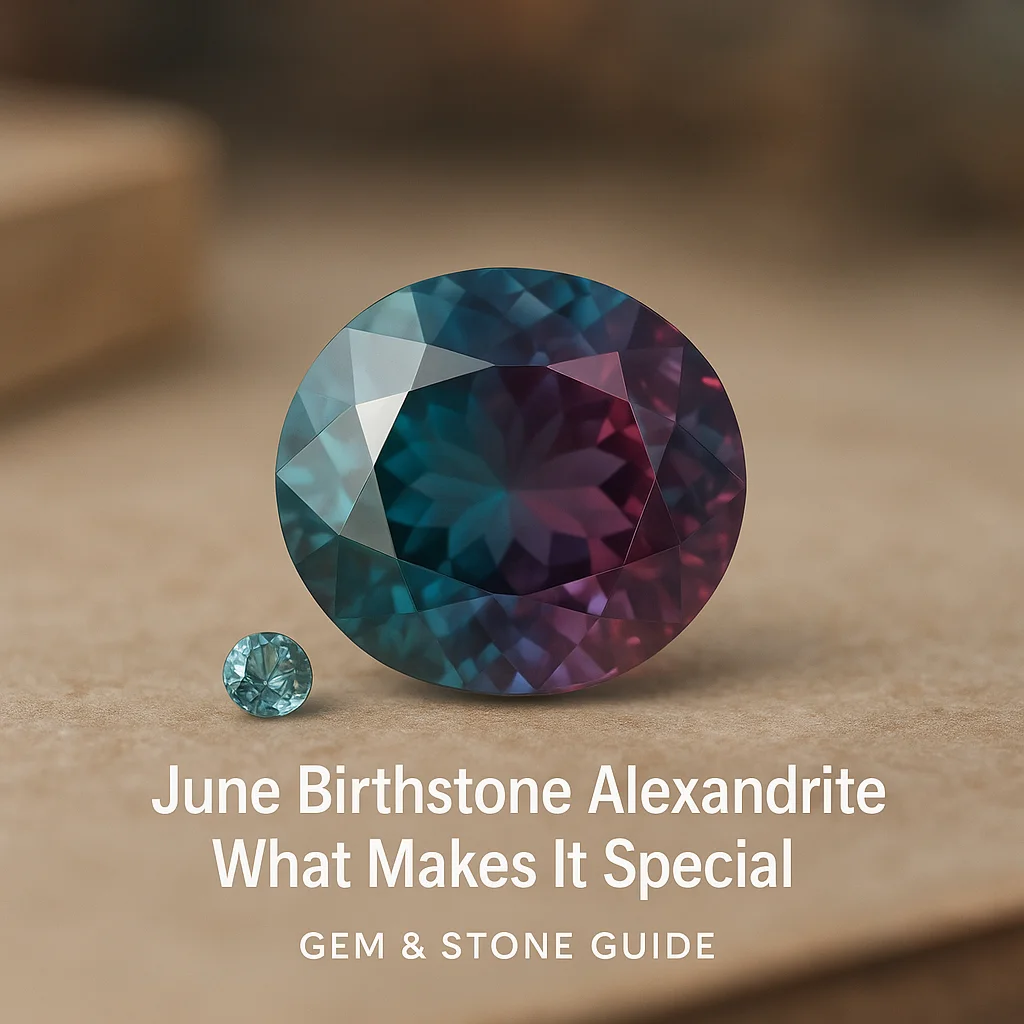
Alexandrite is a fascinating gemstone that belongs to the chrysoberyl mineral family. It is best known for its remarkable color-changing ability, often displaying green in daylight and a reddish hue in incandescent light. As a birthstone for June, alexandrite shares this month's spotlight with pearl and moonstone.
Those interested in gemstones will find alexandrite intriguing due to its unique optical properties and rarity. In this article, you'll learn about its appearance, properties, origins, value, care, and tips for buying. Alexandrite is celebrated not only for its beauty but also for its story and rarity.
Understanding the characteristics of alexandrite will help in appreciating why it is considered one of the most prized gems in the world. Its ability to change color makes it stand out among other gemstones, capturing the fascination of gem enthusiasts and collectors alike.
🌍 Where It Comes From
Alexandrite forms primarily in metamorphic rocks, which are rocks transformed by pressure and heat over time. It is a rare gemstone because its formation requires specific geological conditions, typically found in regions with beryllium-rich rocks and the presence of chromium or iron.
The most famous and original deposits were found in Russia's Ural Mountains in the early 19th century. Today, alexandrite is also found in other parts of the world, including Sri Lanka, East Africa, and Brazil. Each region can produce alexandrites of different qualities and color-changing abilities.
The origin of alexandrite often impacts its market value and reputation among collectors. Russian alexandrite, for example, is highly prized for its historical significance and vibrant color changes. In contrast, stones from other regions may vary in color intensity and overall appeal.
🔬 How It Forms
Alexandrite forms under the right combination of aluminum, beryllium, and chromium. The presence of chromium is essential as it gives alexandrite its distinct color-changing property, akin to the emerald green seen in daylight and the red of ruby under incandescent light.
The crystal structure of alexandrite is orthorhombic, meaning it typically forms in elongated, prismatic crystals. This formation process occurs over millions of years under high pressure and temperatures in the earth's crust, driving its rarity and unique features.
The intricate conditions required for its formation mean that natural alexandrite is less commonly found, contributing to its status as a highly sought-after gemstone.
🎨 Color and Look
Alexandrite is renowned for its dramatic color change, an effect known as pleochroism. It most often appears green or bluish-green in natural daylight. Under incandescent lighting, such as a standard light bulb, it shifts to a purplish-red hue.
The color change occurs due to the complex way alexandrite absorbs light, which depends on the specific trace elements present in its structure. The cut and polish of the gem also play significant roles in maximizing the visible color shift and clarity.
Common treatments are rare with alexandrite, as it is naturally valued for its unique color properties. However, some lower-quality stones may undergo treatments to improve clarity or color, so it's crucial to ask about such processes when purchasing.
🧪 Properties That Matter
On the Mohs scale, alexandrite has a hardness rating of 8.5, making it a durable choice for jewelry that can withstand daily wear. Despite its hardness, alexandrite has poor cleavage, meaning it can still chip or crack if struck.
Alexandrite's luster is vitreous, providing a glass-like shine that adds to its allure in jewelry pieces. Its transparency can vary from transparent to translucent, influencing its overall aesthetic and desirability.
For those considering alexandrite for rings or pendants, its toughness makes it a viable option, although it's best to avoid high-impact activities while wearing the gem to preserve its integrity.
✨ Meanings, Birthstones, and Culture
Traditionally, alexandrite is associated with renewal and good fortune. It is said to bring balance and stimulate creativity. As the June birthstone, alongside pearl and moonstone, alexandrite represents this month's qualities of fertility and love.
In various cultures, alexandrite is believed to hold symbolic significance, such as fostering self-discipline and reinforcing emotional strength. However, these interpretations are part of the gem's folklore and should not be considered scientific evidence.
Modern jewelry traditions often favor alexandrite for its rarity and shifting colors, making it a popular choice for unique and memorable pieces.
🧼 Care and Cleaning
When it comes to caring for alexandrite, gentle methods are best. Clean the gemstone with lukewarm water and mild soap, using a soft cloth to gently rub the surface. Avoid using harsh chemicals or ultrasonic cleaners, which can damage the gem.
Ensure that alexandrite is stored separately from other gemstones to prevent scratching. Wrapping it in a soft cloth or placing it in a padded jewelry box is advisable to keep the stone safe.
Avoid exposing alexandrite to extreme heat or sudden temperature changes, as these conditions may cause fracturing or alter the stone's appearance.
🛒 Buying Tips and What to Check
Several factors affect the price and quality of alexandrite, such as color strength, clarity, and carat weight. The more pronounced the color change, the higher the value typically is. Clarity plays a role too, as eye-clean stones are more desirable.
When investing in alexandrite, ask about any treatments the gem has undergone and request a professional report from a gemological laboratory for high-value purchases. These reports can verify authenticity and describe any enhancements.
For online purchases, look for sellers with good reputations and clear return policies. Examine photos carefully and ensure that the seller discloses important details about the stone's properties and treatments.
⚠️ Real vs Fake and Common Look-Alikes
Natural vs synthetic alexandrite refers to whether the stone forms naturally over time or is created in a lab. Synthetic alexandrite has identical chemical and physical properties but lacks the rarity of natural stones, making it less valuable.
Imitations, like color-change glass, lack the precise chemical properties of alexandrite and are considerably less expensive. Doublets, which are assembled stones made to mimic the appearance of alexandrite, are another type of imitation.
Identifying a genuine alexandrite requires professional testing, as the distinctions between natural and synthetic or imitation stones can be subtle.
❓ Common Questions and Misconceptions
Is it a mineral or a rock? Alexandrite is a mineral that belongs to the chrysoberyl family.
Is it a birthstone? Yes, alexandrite is one of the birthstones for June.
Will it scratch easily? Alexandrite is quite durable with a Mohs hardness of 8.5, so it's not easily scratched.
Can it go in water? Yes, but avoid extended submersion, which may affect settings or untreated stones.
Does color fade in sunlight? Alexandrite's color does not typically fade in sunlight.
What treatments are common? Alexandrite treatments are rare, but some gems may be enhanced for clarity.
Is lab-grown 'fake'? Lab-grown alexandrite has identical properties but isn't natural. It's less rare, hence less valuable.
How do I store it safely? Store alexandrite in a soft cloth or padded box to prevent scratches.
Do inclusions always lower value? Not necessarily. The significance of inclusions depends on their visibility and impact on appearance.
How do I pick a good one for jewelry? Look for strong color-change, good clarity, and authenticity certificates when buying alexandrite jewelry.
📌 Summary
- What it is: A color-changing chrysoberyl mineral.
- Typical colors/appearance: Green in daylight, red in incandescent light.
- How it forms: Under specific geological conditions over millions of years.
- Key properties for wear: Durable with hardness of 8.5 on the Mohs scale.
- Common treatments/disclosures: Rarely treated, but clarity enhancements exist.
- Care and cleaning essentials: Use mild soap and water, store separately.
- Best jewelry uses: Ideal for rings, pendants, and unique pieces.
- Common look-alikes: Synthetic versions and imitations like color-change glass.
- How authenticity is confirmed: Through professional gemological reports and testing.
- Buying checklist highlights: Consider color-change, clarity, and legitimate reports.
- Birthstone/cultural notes: June birthstone traditionally linked to balance and creativity.
- One memorable, accurate takeaway: Alexandrite's rare color change enchants collectors worldwide.