💎 June Birthstone Pearl
Pearls are one of nature's most unique gems and are known as the birthstone for June. Unlike most gemstones, pearls are produced by living organisms, making them an organic gem. Their lustrous beauty and distinctive formation set them apart in the world of gems and jewelry.
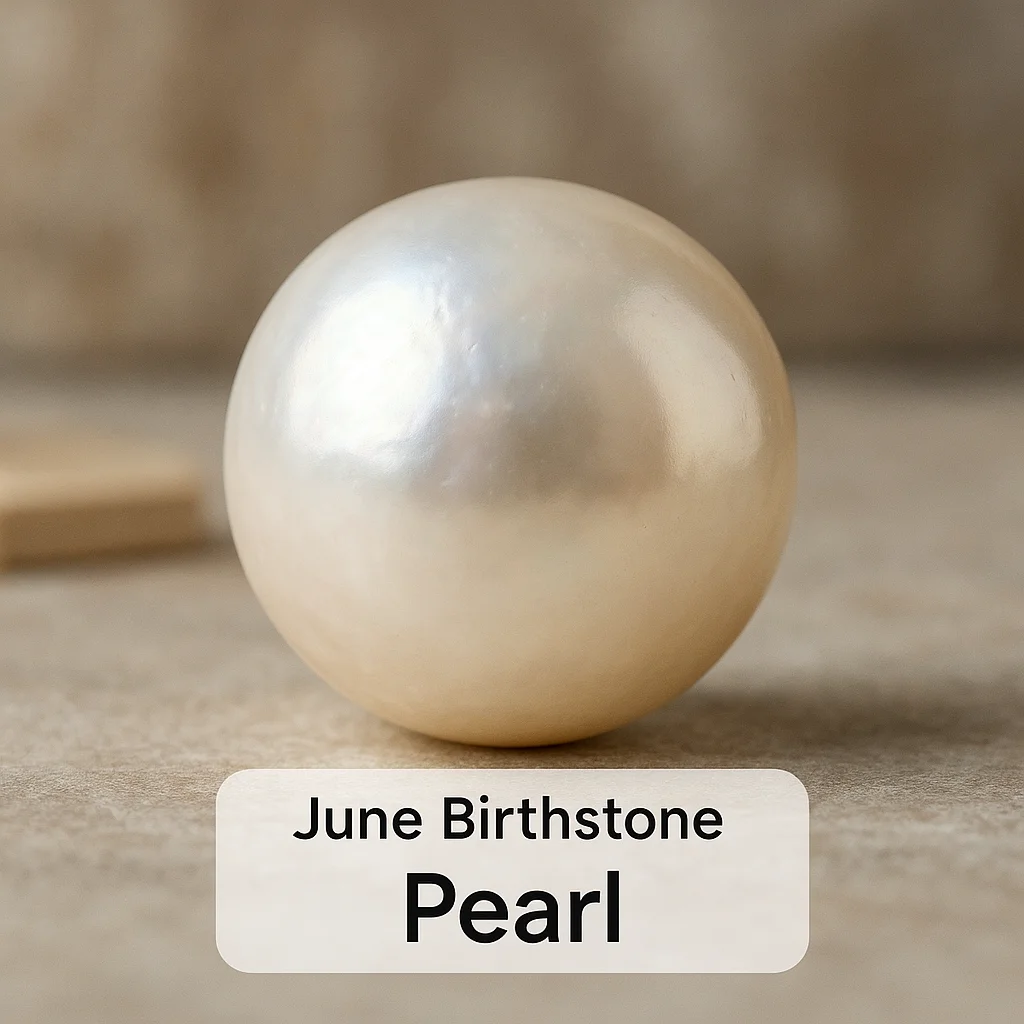
For centuries, pearls have been coveted for their natural elegance and timeless appeal. They are commonly used in necklaces, earrings, and other forms of jewelry, often symbolizing purity and sophistication. This article will guide you through understanding pearls, from their appearance and properties to their origins and care.
In this educational overview, we will delve into the fascinating journey of pearls from nature to jewelry, and explore their cultural significance as the June birthstone. You will also learn practical tips for selecting, caring for, and understanding the value of pearls.
🌍 Where It Comes From
Pearls are unique among jewels as they are created by mollusks, such as oysters and mussels, in marine and freshwater environments. This organic formation process does not require the geological conditions like pressure and heat typical of other gemstones.
The world's finest pearls are often associated with regions known for their pearl fisheries, such as parts of the Persian Gulf, Australia, and Japan. These areas have gained a reputation for producing pearls of exceptional quality and luster.
The origin of pearls can affect their color, sheen, size, and overall market value. For instance, Japanese Akoya pearls are renowned for their mirror-like luster, while Tahitian pearls are celebrated for their exotic dark hues. The marine environment plays a crucial role in shaping these diversities.
🔬 How It Forms
The formation of a pearl begins when an irritant, such as a grain of sand, enters the mollusk. In response, the mollusk secretes nacre, a substance made of calcium carbonate, to coat the irritant. Over time, layer upon layer of nacre builds up, forming a pearl.
The process of nacre deposition can take several months to years, depending on environmental conditions and the type of mollusk. The uninterrupted continuation of this process yields pearls that are smooth and lustrous, valued in the jewelry market.
Pearls from different mollusks can vary in shape and color due to the composition of the nacre and the conditions of the environment. Round pearls are the most sought after, but oval, button-shaped, and baroque pearls are also appreciated for their distinctive charm.
🎨 Color and Look
Pearls are celebrated for their wide range of colors, from classic white and cream to more unique hues like black, pink, blue, and gold. The color of a pearl is influenced by the species of mollusk and its environment, alongside the thickness and quality of the nacre.
The luster, or the reflective quality, is another critical attribute of pearls. High-quality pearls show a mirror-like finish and a depth of brilliance. Factors like the shape and size of pearls also contribute to their appeal and desirability.
Pearl treatments are less common than in other gemstones, but when used, they typically involve bleaching to enhance color or luster. Any treatment should be disclosed to buyers, as untreated pearls are often considered more valuable.
🧪 Properties That Matter
Pearls are softer than most gemstones, with a Mohs hardness of around 2.5 to 4.5. This means they are vulnerable to scratching and require careful handling and storage. Their toughness, related to their ability to resist chipping, is moderate; they can crack if struck or exposed to extreme pressures.
Despite these vulnerabilities, pearls are favored for their softness and sumptuous surface, which can give jewelry a classic and enduring look. They are best worn in pieces that are less likely to encounter rough wear, like necklaces and earrings, rather than rings.
The care to maintain pearl jewelry focuses on preserving their surface luster and preventing damage. The way pearls are set, handled, and stored significantly affects their longevity and beauty.
✨ Meanings, Birthstones, and Culture
Traditionally, pearls are associated with purity, humility, and innocence, meanings that have been sustained in various cultures over time. As the June birthstone, pearls are said to bring tranquility and wisdom to those born in this month.
In modern jewelry, pearls are versatile, often used in bridal adornments and treasured as family heirlooms. Folklore and traditional narratives contribute to their allure, adding a layer of sentimentality to their aesthetic appeal.
As part of a birthstone collection, pearls connect June-born individuals to a lineage of elegance and grace, celebrated in ceremonies and fashion worldwide.
🧼 Care and Cleaning
For the proper care of pearls, use gentle soap and water cleaning methods, avoiding any abrasive materials or harsh chemicals that can damage their surface. A soft cloth can be used to polish pearls after wear to maintain their lustrous shine.
Pearls are sensitive to heat and should not be exposed to extreme temperature changes. Long soaking, especially in liquid cleaners, should be avoided as it can affect the structural integrity of the nacre.
Store pearls separately from other jewelry items to prevent scratching or dulling their surface. Using a soft pouch or a lined jewelry box will help preserve their appearance.
🛒 Buying Tips and What to Check
When purchasing pearls, consider factors such as luster, color, size, shape, and surface quality. High luster and minimal surface imperfections typically signify better quality.
It is advisable to inquire about any treatments pearls may have undergone. If investing in high-value pearls, obtaining a gemological report can provide assurance regarding their authenticity and characteristics.
For online purchases, look for clear photos, verify the return policy, and choose reputable sellers who offer full disclosure of the pearl's qualities and any enhancements.
⚠️ Real vs Fake and Common Look-Alikes
Pearls come as natural, cultured, or imitation variants. Natural pearls are rare, whereas cultured pearls are widely available thanks to human intervention in their formation. Synthetic or imitation pearls are typically made from glass or plastic and lack the same luster of real pearls.
Identifying real pearls requires careful inspection and often professional testing since imitations can be convincing to the untrained eye. Doublets and triplets, assembled versions of gems, do not usually apply to pearls but can be relevant in the broader gem context.
Common look-alikes include mother of pearl and nacre shell pieces. Engaging a gemologist for formal identification ensures accurate differentiation between real pearls and their imitators.
❓ Common Questions and Misconceptions
Is it a mineral or a rock? Pearls are neither; they are organic gems formed by living organisms.
Is it a birthstone? Yes, pearls are the birthstone for June.
Will it scratch easily? With a Mohs hardness of 2.5–4.5, pearls do scratch easily.
Can it go in water? Pearls can be gently washed, but prolonged soaking is not recommended.
Does color fade in sunlight? Prolonged exposure can dull a pearl's luster and, in rare cases, affect color.
What treatments are common? Minimal treatment occurs, but some pearls are bleached for color enhancement.
Is lab-grown 'fake'? Cultured pearls are real pearls grown with human intervention, unlike synthetic materials.
How do I store it safely? Store individually in a soft pouch or lined box to prevent scratches.
Do inclusions always lower value? Small blemishes do affect value, but luster is often a more crucial factor.
How do I pick a good one for jewelry? Choose pearls with high luster, even color, and minimal surface imperfections.
📌 Summary
- Pearls are organic gems created by mollusks.
- Common colors include white, cream, black, and pink.
- They form through layer upon layer of nacre.
- Softness requires cautious care to avoid damage.
- Minimal treatment; bleaching to enhance color is possible.
- Clean with gentle soap and a soft cloth; store separately.
- Ideal for earrings, necklaces; less suitable for rings.
- Look-alikes include mother of pearl; professional testing recommended.
- Natural, cultured, and imitation pearls exist; authenticity requires expert verification.
- Check luster, surface, and size for quality; inquire about treatments.
- As the June birthstone, pearls carry traditional symbolism of purity.
- Pearls embody elegance, requiring informed care to maintain their beauty.