💎 September Birthstone Sapphire
🪨 What It Is
Sapphires are a variety of the mineral corundum, which consists of aluminum oxide. Sapphires are prized as gemstones and are most popularly known for their deep blue hues, although they can occur in various other colors. Due to their beauty and durability, sapphires are highly regarded in jewelry and have been chosen as the birthstone for the month of September.
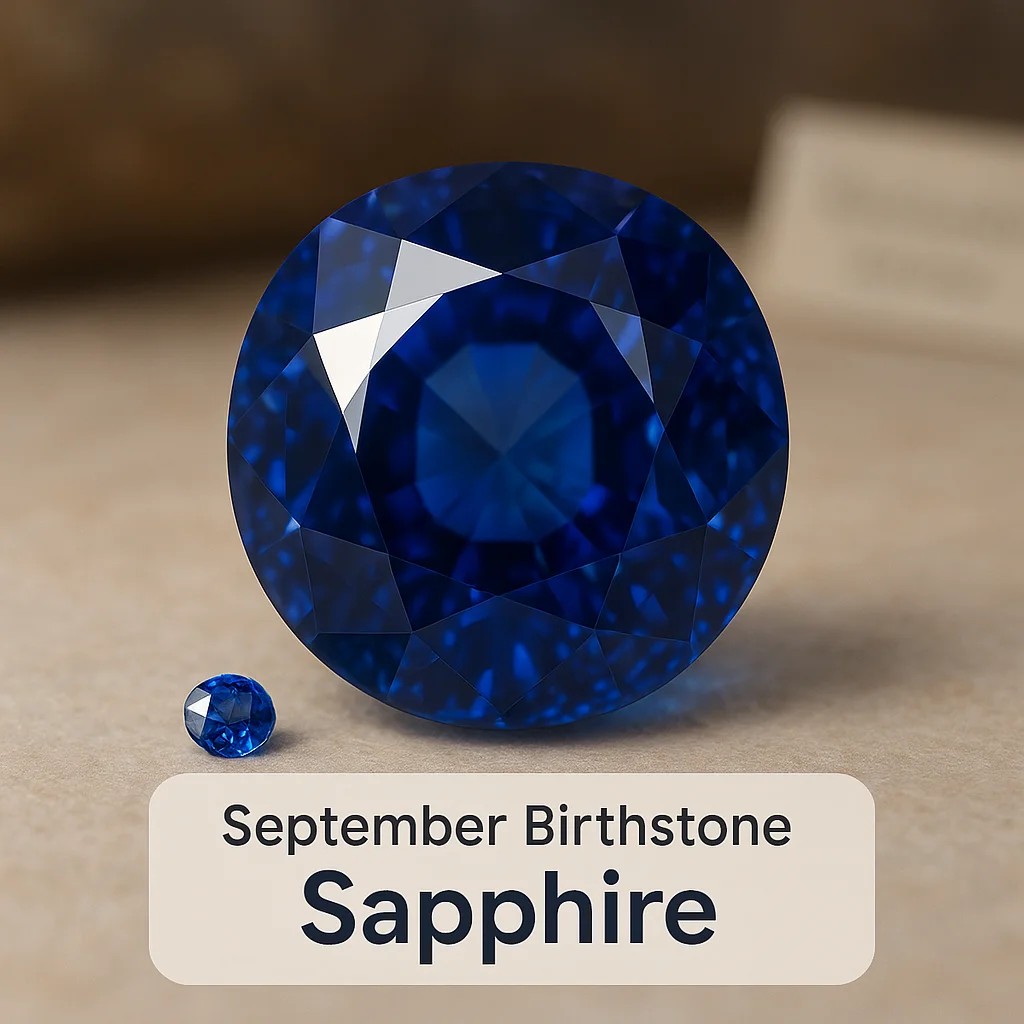
In this article, we will explore the basics of sapphires, including their appearance, geological origin, value, care, and buying tips. As well as navigating the aspects of natural versus synthetic sapphires and understanding their significance in different cultures.
Whether you are looking to purchase a sapphire gemstone, or you are just fascinated by the world of gems and minerals, understanding sapphires can enrich your knowledge and appreciation of these splendid stones.
🌍 Where It Comes From
Sapphires are typically found in metamorphic rocks, particularly those rich in aluminum. They can also form in igneous rocks like basalt, which provides the high temperatures and pressures needed to crystallize corundum.
Some of the most renowned sources of sapphires include regions in Sri Lanka, Madagascar, and parts of Myanmar. Each producing region is known for imparting specific qualities to the sapphires, such as unique color zoning and clarity characteristics.
The origin of a sapphire can greatly affect its market value, especially when it comes to rare and historically acclaimed sources. For instance, Kashmir sapphires are particularly sought-after for their velvety appearance and rich cobalt blue color.
🔬 How It Forms
Sapphires form under high-pressure and high-temperature conditions in the Earth’s crust. Generally, they develop in aluminum-rich environments where corundum can crystallize. Over millions of years, these conditions allow the growth of sapphires with varied sizes and qualities.
The color of a sapphire is influenced by trace elements such as iron, titanium, chromium, copper, or magnesium. For example, the presence of iron and titanium gives blue sapphires their characteristic color, whereas traces of chromium can produce pink sapphires.
Sapphires can be found in different crystal habits including hexagonal prisms. They are often discovered in riverbeds after erosive action exposes these durable minerals.
🎨 Color and Look
While sapphires are most commonly associated with blue, they actually come in a spectrum of colors referred to as "fancy sapphires." These include pink, yellow, green, purple, and orange. The only color not considered a sapphire when it comes to corundum is red, which is classified as a ruby.
Sapphires can display phenomena such as asterism—a star-like effect when light is reflected within the stone—as well as color zoning where different parts of the crystal vary in color intensity.
Common treatments such as heat treatment are often used to improve color and clarity. Responsible sellers disclose any such enhancements, as they can affect both the value and care requirements of the gemstone.
🧪 Properties That Matter
Sapphires have a Mohs hardness of 9, making them one of the hardest minerals second only to diamond. This high hardness makes them excellent for everyday wear as they resist scratches and abrasions.
They have no cleavage, meaning they do not break along specific planes, contributing to their durability. However, sapphires are not immune to chipping if subjected to direct impact.
The luster of a well-polished sapphire is vitreous (glass-like), and they can range in transparency from transparent to opaque. These properties make them suitable for various jewelry settings including rings, pendants, and earrings.
✨ Meanings, Birthstones, and Culture
Culturally, sapphires have been traditionally associated with wisdom, virtue, and good fortune. They are deeply embedded in the folklore of various civilizations, often symbolizing protection and prosperity.
As the birthstone for September, sapphires are thought to bring mental clarity and calm to those who celebrate their birthdays in this month. This gemstone is also frequently gifted as an anniversary stone, notably on the 5th and 45th anniversaries.
While these associations are rich in tradition, it is essential to view them as cultural beliefs rather than scientific facts.
🧼 Care and Cleaning
Sapphires are relatively easy to care for due to their hardness. Regular cleaning using warm soapy water and a soft cloth is recommended to maintain their brilliance. Avoid harsh chemicals and ultrasonic cleaners, especially if the sapphire has been fracture-filled or dyed.
Avoid exposing sapphires to sudden temperature changes, which can cause internal stress and potentially lead to cracks. It's also advisable to steer clear of prolonged soaking which may affect any treatments the stone has undergone.
Storing sapphires in a soft cloth or padded jewelry box will help prevent scratches from other jewelry items.
🛒 Buying Tips and What to Check
When purchasing a sapphire, the 4Cs—Color, Clarity, Cut, and Carat weight—play a significant role in determining value. The depth and uniformity of color are particularly crucial for sapphires, often influencing price more than size.
Inquire about any treatments the sapphire may have undergone, and consider requesting a gemological report for high-value purchases. Such reports can provide confirmation of natural origin and disclose any enhancements.
For online purchases, ensure a clear return policy and assess the seller's reputation. Look for detailed photographs and transparency about the stone’s characteristics.
⚠️ Real vs Fake and Common Look-Alikes
Synthetic sapphires are lab-grown versions with physical and chemical properties identical to natural ones but usually at a lower cost. Such stones offer a budget-friendly option without compromising on quality.
Imitation sapphires, often made of glass or plastic, only mimic the appearance of sapphires and lack their durability. Assembled stones (composites) like doublets are combinations of materials designed to simulate sapphires.
Professional testing is essential to accurately distinguish between natural, synthetic, and imitation sapphires. Relying on professional gemologists ensures precision and avoids the risk associated with amateur observations.
❓ Common Questions and Misconceptions
Is it a mineral or a rock? Sapphires are a mineral, specifically a variety of corundum.
Is it a birthstone? Yes, sapphires are the birthstone for September.
Will it scratch easily? No, sapphires are highly resistant to scratches due to their hardness.
Can it go in water? Yes, but avoid prolonged soaking, especially with treated stones.
Does color fade in sunlight? Sapphires generally do not fade with exposure to sunlight.
What treatments are common? Heat treatment is common to enhance color and clarity.
Is lab-grown 'fake'? No, lab-grown sapphires are real sapphires but manufactured.
How do I store it safely? Store in a soft cloth or padded box to prevent scratches.
Do inclusions always lower value? Not always; some inclusions can be unique and enhance value.
How do I pick a good one for jewelry? Consider color uniformity, clarity, cut, and inquire about treatments.
📌 Summary
- Sapphires are a variety of corundum, known for their beauty and durability.
- They are most renowned for deep blue shades but can appear in many colors.
- Formed under high-pressure and temperature from aluminum-rich environments.
- With a Mohs hardness of 9, they're suitable for everyday jewelry.
- Common treatments include heat to improve color and clarity.
- Simple care involves gentle soap and water cleaning.
- Ideal for rings, pendants, and earrings due to their toughness and beauty.
- Look-alikes include synthetics and imitations made of glass or plastic.
- Authenticity is best confirmed with professional gemological testing.
- Buying tips: focus on color, treatment disclosure, and return policies.
- Culturally associated with protection, wisdom, and September birthstone tradition.
- Sapphires are fascinating, historically rich gems cherished worldwide.