💎 Antique Jewelry Authentication Basics
🪨 What It Is
Antique jewelry often features precious stones and materials with historic significance. It includes a variety of gems such as diamonds, sapphires, rubies, and emeralds, as well as organic gems like pearls and amber. These treasures are valued not only for their beauty but also for their age, provenance, and craftsmanship.
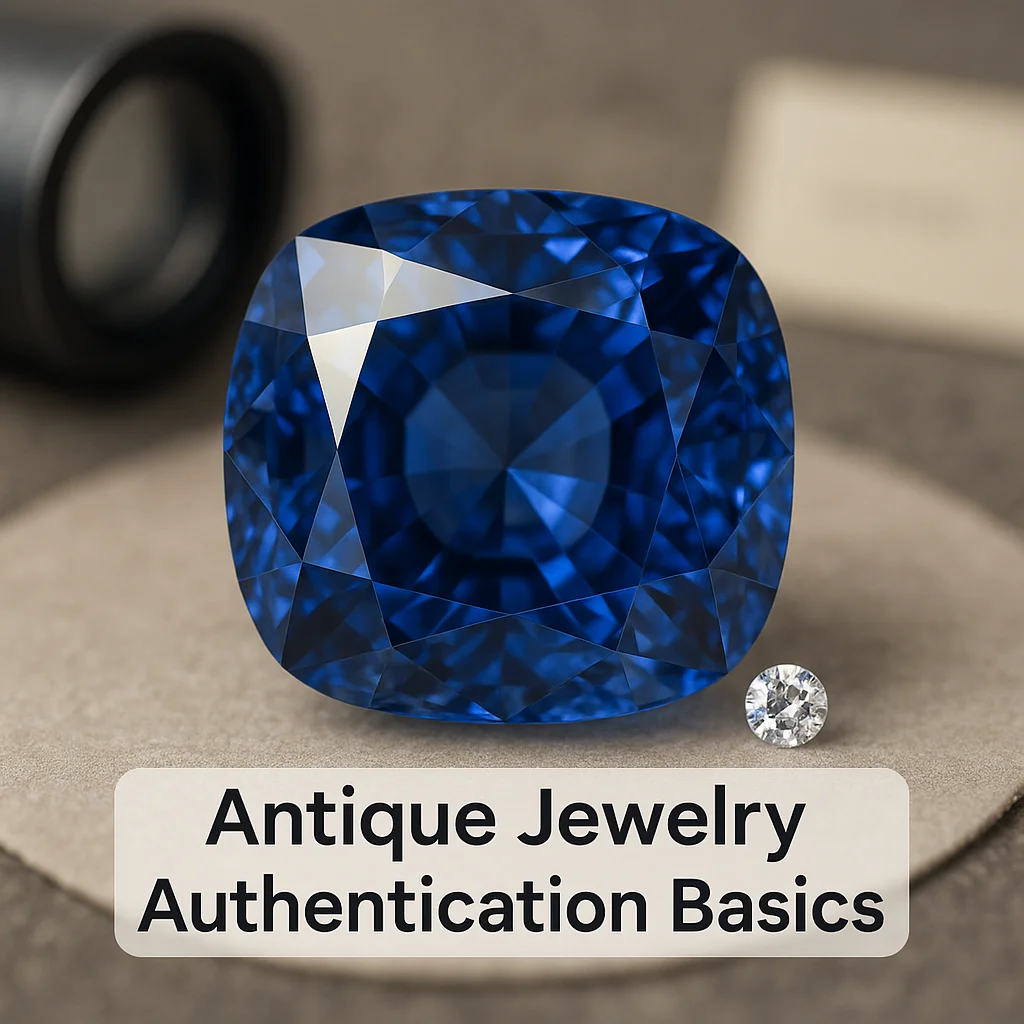
The world of antique jewelry encompasses both mineral-based and organic gemstones used throughout history. Gemologists describe these stones as rare minerals or organic compounds that have been fashioned into beautiful, wearable art. Understanding these gems is essential for appreciating and authenticating antique jewelry.
This article aims to educate you on the basics of antique jewelry authentication, focusing on the appearance, properties, origin, value, care, and purchasing tips. You will also learn about common look-alikes and how to distinguish them, ensuring you make informed decisions when investing in antique pieces.
🌍 Where It Comes From
Gemstones found in antique jewelry have origins in specific geologic settings. Igneous rocks, formed through volcanic activity, are common sources of gemstones like diamonds and sapphires. These gems are unearthed from the earth’s depths, where high pressure and temperatures contribute to their formation.
Metamorphic rocks, altered by heat and pressure, can contain emeralds and garnets, while sedimentary rocks, formed by the deposition of minerals, may host opals and pearls. Some gems, such as pearls and coral, originate from marine environments, formed by living organisms.
Keen collectors appreciate that the origin of a gemstone can impact its appearance and value. Factors like color intensity and clarity often correlate with specific geological sources. For instance, sapphires from Kashmir are renowned for their deep blue hues, which can significantly affect their market reputation and desirability.
🔬 How It Forms
The process of gemstone formation is a captivating tale of nature's wonder. Gemstones can form under a variety of conditions, often requiring heat, pressure, and time. For instance, diamonds crystallize from carbon under immense pressure deep within the Earth's mantle, while quartz varieties like amethyst gain their color from trace elements like iron during formation.
When molten rock cools and solidifies, igneous rocks are formed, sometimes trapping gemstones within them. In metamorphic processes, existing rocks change under heat and pressure, creating new minerals. Hydrothermal processes involve mineral-laden water, precipitating quartz and other gems in cavities and fractures.
Gems can also form in nodules or geodes, where mineral-filled pockets create unique crystal structures. The specific conditions and elements present during formation contribute to a gemstone's crystal habit and overall appearance, factors crucial to its identification and authentication in antique jewelry.
🎨 Color and Look
The color and appearance of gemstones can vary widely, from the clear brilliance of a diamond to the vivid blues of sapphires and the rich reds of rubies. Factors such as trace elements and structural defects can influence a gemstone's color, while its cut and polish determine its overall visual allure.
Chatoyancy, a reflective effect seen in gems like cat's eye chrysoberyl, and asterism, a star-like pattern found in some sapphires, add unique charm to these stones. Enhancements like heat treatment are common to improve color and clarity, but their presence must be disclosed to buyers.
Understanding how lighting conditions affect gemstone appearance is also important. A well-cut gemstone should display an even distribution of color and luster, while inclusions, if present, should minimally impact its beauty and value. Collectors and buyers should take note of these visual traits when evaluating antique jewelry.
🧪 Properties That Matter
Knowing the physical properties of gemstones is crucial for their proper wear and care. Mohs hardness, a scale ranging from 1 (soft) to 10 (hard), indicates a gemstone's resistance to scratches. Diamonds, ranking at 10, are suitable for daily wear, while softer stones like turquoise require more caution.
Besides hardness, toughness or resistance to chipping is also significant. The presence of cleavage, where a gem may split along specific planes, affects durability. Gems with poor cleavage may chip easily, so they are often reserved for necklaces or earrings, rather than rings.
Transparency affects value, with gems ranging from opaque to transparent. Luster, the way light interacts with a gem's surface, can be vitreous like glass or pearly as seen in pearls. These properties collectively determine a gemstone's practicality for different types of jewelry and contribute to its desirability.
✨ Meanings, Birthstones, and Culture
Culturally, gemstones hold significant meanings and are associated with various traditions. Many cultures traditionally believe in the symbolic properties of gemstones; however, these are not scientifically proven. For example, amethysts are often linked with peace and courage, while emeralds symbolize rebirth and love.
Gemstones like sapphires and rubies serve as traditional birthstones, each linked with a specific month. For example, the sapphire is the birthstone for September and is believed to bring wisdom. Reflecting this cultural heritage, antique jewelry often incorporates these stones for their symbolic value.
Modern jewelry traditions continue to embrace these associations, and antiques are often valued for their history and craftmanship. Collectors and enthusiasts should appreciate the cultural significance attached to gemstones while recognizing these interpretations as traditional rather than empirically validated.
🧼 Care and Cleaning
Proper care and cleaning can maintain the allure of antique jewelry. Generally, a gentle soap and water solution is suitable for cleaning most gems, using a soft cloth to avoid scratches. Harsh chemicals should be avoided as they can damage delicate stones and precious metal settings.
Some gems, like opals and pearls, are porous and require extra caution. They should not be exposed to excessive water or sudden temperature changes. Likewise, treated gemstones may have special care instructions to preserve their enhancements.
Antique jewelry should be stored with care to prevent wear. Separate storage is recommended to avoid scratches, and jewelry cases with soft lining offer protection. By following these guidelines, one can ensure that antique pieces retain their beauty for generations.
🛒 Buying Tips and What to Check
When purchasing antique jewelry, several factors affect price and quality, such as color, clarity, cut, and carat weight. Understanding the origin and reputation of a gemstone's source can also play a role in its valuation. Asking about treatments and obtaining a gemological report is advisable for high-value stones.
Lab reports can verify aspects of a stone's identity and authenticity, though they may not account for all subtleties. For online purchases, ensure clear photos, a return policy, and a reputable seller with disclosed stone treatments.
For beginners, a buying checklist includes asking about authenticity, inspecting for inclusions, and considering overall piece aesthetics. This approach helps in making a confident, informed purchase that enhances both a collection and personal style.
⚠️ Real vs Fake and Common Look-Alikes
Distinguishing between natural and synthetic gemstones is a key skill for antique jewelry collectors. Natural stones form naturally, while synthetic or lab-grown stones mimic these formations, offering a more budget-friendly option without being "fake."
Imitations made of glass, plastic, or composites like doublets and triplets can resemble authentic gemstones but differ significantly in value and composition. Common look-alikes can also confuse buyers, such as cubic zirconia for diamonds or glass for opal.
Professionally verified identification through gemological laboratories provides the most reliable assessment. Avoid risky home experiments, as proper identification involves specialized tools and expertise. With knowledge and caution, collectors can confidently navigate the world of antique jewelry.
❓ Common Questions and Misconceptions
Is it a mineral or a rock? Most gemstones in antique jewelry are minerals; some, like pearls, are organic.
Is it a birthstone? Many antique gems are traditional birthstones, like garnets for January.
Will it scratch easily? Hardness varies; diamonds are durable, while softer stones need care.
Can it go in water? Generally yes, but be cautious with porous stones like opals and pearls.
Does color fade in sunlight? Prolonged exposure can affect some stones, so prudent storage is key.
What treatments are common? Heat for color enhancement is common; always inquire about treatments.
Is lab-grown "fake"? Lab-grown stones are real but less valued than natural ones.
How do I store it safely? Store separately in soft-lined cases to avoid scratches.
Do inclusions always lower value? Not always; some add uniqueness, but excessive inclusions may lower clarity.
How do I pick a good one for jewelry? Prioritize personal preference and the stone's properties for its intended use.
📌 Summary
- Antique jewelry features a variety of valuable gemstones.
- Typical colors range from clear diamonds to deep blue sapphires.
- Gems form through heat, pressure, and geological processes.
- Key properties: Mohs hardness, toughness, and luster impact use.
- Common treatments include heat and disclosure is vital.
- Care: gentle cleaning, special handling for porous stones.
- Ideal for rings, pendants, and other wearable art forms.
- Watch for look-alikes like glass and synthetic stones.
- Authenticity confirmed through professional gem lab reports.
- Buying checklist: clarity, origin, lab reports, reputable seller.
- Traditionally associated with birth months and cultural symbolism.
- Remember: gemstone value is a blend of beauty, rarity, and history.