💎 Glass Imitation vs Real Gemstone Tests
🪨 What It Is
Mankind has long been fascinated by the beauty and allure of gemstones. However, not every sparkling stone is a natural gem. Glass imitations are commonly used to mimic the appearance of real gemstones, making it crucial to understand the differences between them.
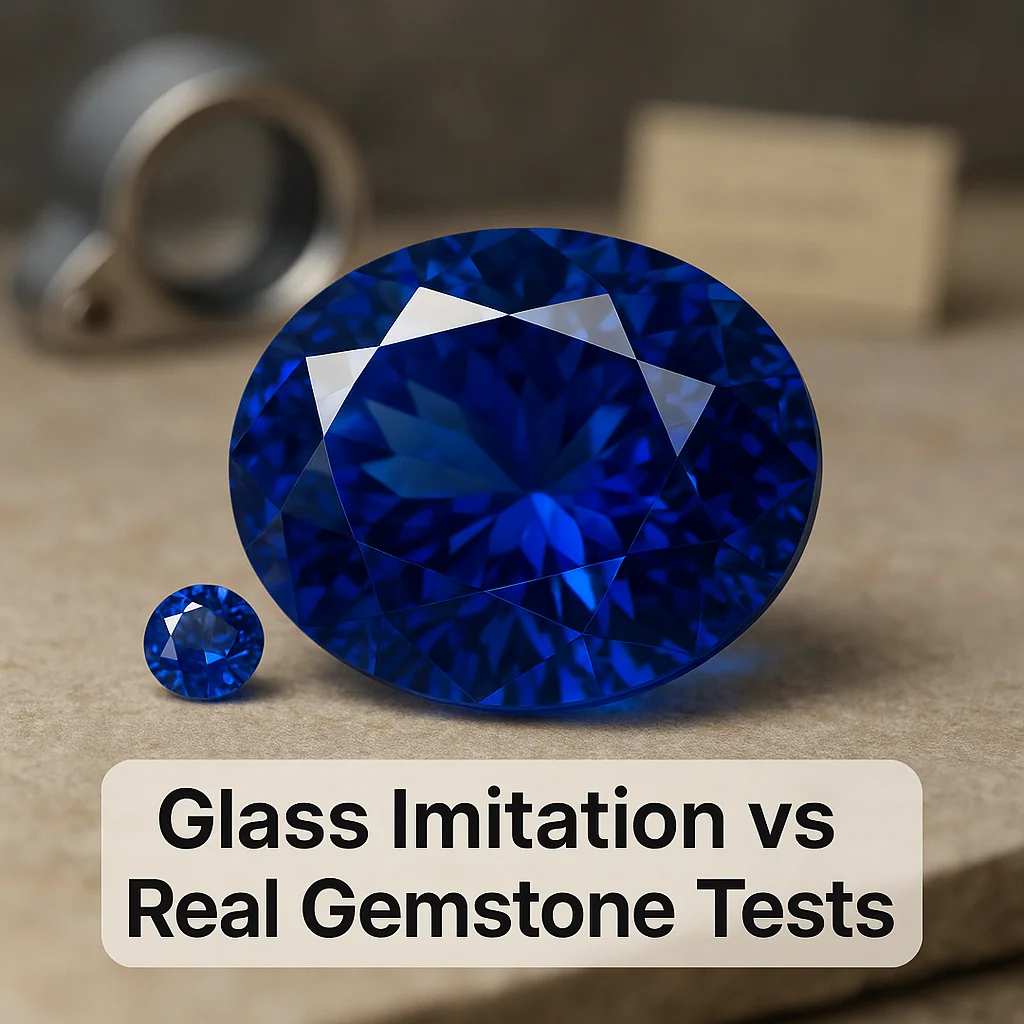
In the world of gemstones, authenticity matters. Real gemstones typically form through geological processes over thousands or millions of years, gaining rarity, and consequently, value. Glass imitations, on the other hand, are man-made and derive their appearance and characteristics from human creativity and technology.
This article will guide you through understanding the nature, formation, and identification of glass imitations compared to real gemstones. You'll learn how to evaluate appearance, properties, origins, and how to make informed purchasing decisions.
🌍 Where It Comes From
Real gemstones typically originate from various geological processes. They are formed under specific conditions involving heat, pressure, and mineral content. These natural processes occur deep within the earth's crust or through volcanic actions, giving rise to beautiful stones such as sapphires, emeralds, and diamonds.
Common sources of gemstones include igneous rocks like granite and rhyolite, where minerals crystallize slowly as the rock cools. Metamorphic processes where high temperatures and pressures alter existing rocks can also form gemstones. For example, diamonds may originate in volcanic pipes called kimberlites, whereas sapphires often form in alluvial deposits, which are created by water erosion.
While natural gemstones are often found in specific regions known for their geological conditions, glass imitations can be produced anywhere, using human-made processes. Given this disparity, the origin of a stone can influence its value, perceived quality, and market reputation.
🔬 How It Forms
Natural gemstone formation is a fascinating interplay of time, heat, pressure, and mineral-rich fluids. For instance, during the slow cooling of magma, certain minerals crystallize to form gemstones. Metamorphic gemstones, like garnets, require existing minerals to recrystallize under heat and pressure.
Color in gemstones is often influenced by trace elements or physical defects. For example, trace amounts of chromium give rubies their red color, while iron can lead to blue sapphires. These trace elements substitute in the crystal lattice, affecting the stone's color and sometimes its market value.
Glass imitations, however, are crafted through a straightforward process. Sand, soda ash, and other components are melted together and cooled to form glass. Color can be added using various chemicals, allowing glass to mimic the hue of different gemstones.
🎨 Color and Look
The appearance of gemstones can vary significantly. Natural stones display a range of colors due to their inherent mineral composition and trace impurities. For example, quartz, a common gemstone, comes in numerous varieties, such as amethyst (purple) and citrine (yellow).
Appearance is further impacted by factors like cut, which enhances sparkle and color. Luster, or the way a stone reflects light, can also influence its look. Treatments such as heat application may improve color or clarity in genuine stones, but these enhancements should be disclosed during sales.
Glass imitations often mimic the vibrant looks of gemstones but may lack the depth or range of natural stones. Since they are man-made, the uniformity in color and lack of natural inclusions can serve as identifiers.
🧪 Properties That Matter
When evaluating real gemstones, several properties are crucial. Mohs hardness measures scratch resistance, a pertinent point when selecting everyday jewelry like rings. For example, diamonds score a 10, being the hardest, while talc scores a 1.
Toughness refers to resistance to chipping. Stones like jade are famed for their toughness, ideal for carvings. Cleavage concerns how a stone breaks; diamonds have perfect cleavage, meaning they can split easily along planes of weakness.
Luster and transparency also matter. A brilliant luster means the stone captures light well, enhancing beauty. Practical uses can vary: robust stones fit for everyday wear, while softer stones may suit pendants worn occasionally.
✨ Meanings, Birthstones, and Culture
Culturally, gemstones often bear traditional symbolism. Throughout history, many societies attributed various meanings to different gemstones. For example, garnets are thought to symbolize love and protection, often represented as the birthstone for January.
In modern Western culture, birthstones are commonly used in jewelry to represent the month or zodiac sign of one's birth. This practice has evolved over time from various traditions and today holds personal significance for many people, offering a sense of identity or protection.
It is essential to distinguish these cultural associations from scientifically verified properties. While symbolism is widely accepted in numerous cultures, its effects are neither universally standardized nor scientifically proven.
🧼 Care and Cleaning
The care of gemstones requires understanding their properties. Most are best cleaned with mild soap and water, using a soft cloth to avoid scratches. It's generally prudent to avoid harsh chemicals that may affect either natural or treated stones.
Porous stones like opals or treated gems such as oil-enhanced emeralds need extra caution. Avoid drastic temperature fluctuations as they can crack stones, and store them individually to prevent rubbing or scratching.
Proper storage is equally important. Keep stones in padded boxes or wrap them in soft fabric. Avoid prolonged exposure to sunlight, which may affect some stones' color or cause them to fade.
🛒 Buying Tips and What to Check
When purchasing gemstones, it's vital to consider factors such as color, clarity, cut, and carat weight, often referred to as the Four Cs. Moreover, origin can impact price, especially for stones from known regions with high reputations.
Asking about treatments or requesting laboratory reports for high-value stones is prudent. These reports assess authenticity but cannot always confirm natural versus synthetic origin, so review with care.
For online purchases, inspect clear photos, check return policies, and verify seller reputation. Disclosure of origin, treatment, and authenticity should be part of every transparent transaction.
⚠️ Real vs Fake and Common Look-Alikes
Differentiating natural, synthetic, and imitation gemstones is crucial in the gem market. Natural gemstones form in nature, synthetic gems are chemically identical but lab-created, and imitations, like glass, merely mimic appearance.
Doublets and triplets, composite stones made of layers, often enhance or imitate more expensive gems. Though they may appear similar to whole gemstones, their construction means they hold different values.
Recognizing common look-alikes helps protect buyers. For reliable identification, professional testing is recommended over home experiments, ensuring stones are authentic and safely evaluated.
❓ Common Questions and Misconceptions
Is it a mineral or a rock? Many gemstones are minerals, naturally occurring substances with definite composition. However, some rocks, which consist of multiple minerals, are used as gemstones.
Is it a birthstone? Yes, many gemstones are traditional birthstones. Their use in jewelry for personal and cultural significance is widespread.
Will it scratch easily? It depends on Mohs hardness. Higher Mohs ratings mean better scratch resistance.
Can it go in water? Generally, yes, but avoid long soaking and check whether stones are porous or treated.
Does color fade in sunlight? Some stones, such as amethyst or topaz, can fade, so avoid long sun exposure.
What treatments are common? Heat-treatment, dyeing, and irradiation are frequent practices to enhance color and clarity.
Is lab-grown 'fake'? No, they have identical properties to natural stones but are grown in controlled environments.
How do I store it safely? Soft cloths or padded boxes work well for protection. Separate them to prevent scratching.
Do inclusions always lower value? Not always. Some inclusions, like those in rutilated quartz, add unique beauty and value.
How do I pick a good one for jewelry? Consider the Four Cs, setting durability, and whether the stone fits your personal style and lifestyle needs.
📌 Summary
- Glass imitations are man-made and typically less valuable than natural gemstones.
- Gemstones vary in colors and patterns due to different trace elements.
- Formed by geological processes, gemstones entail a long, natural development.
- Mohs hardness affects wearability; higher ratings mean more durability.
- Common treatments enhance gem aesthetics but should be disclosed.
- Care with mild soap and protective storage retains gemstone quality.
- Rings need durable stones, while pendants suit softer gems.
- Common look-alikes include synthetic gems and composite stones.
- Tests from experts confirm authenticity, not home experiments.
- Evaluate color, clarity, and seller reputation during buying.
- Embrace cultural meanings as tradition, not scientific fact.
- Understanding origin and types helps in choosing authentic pieces.