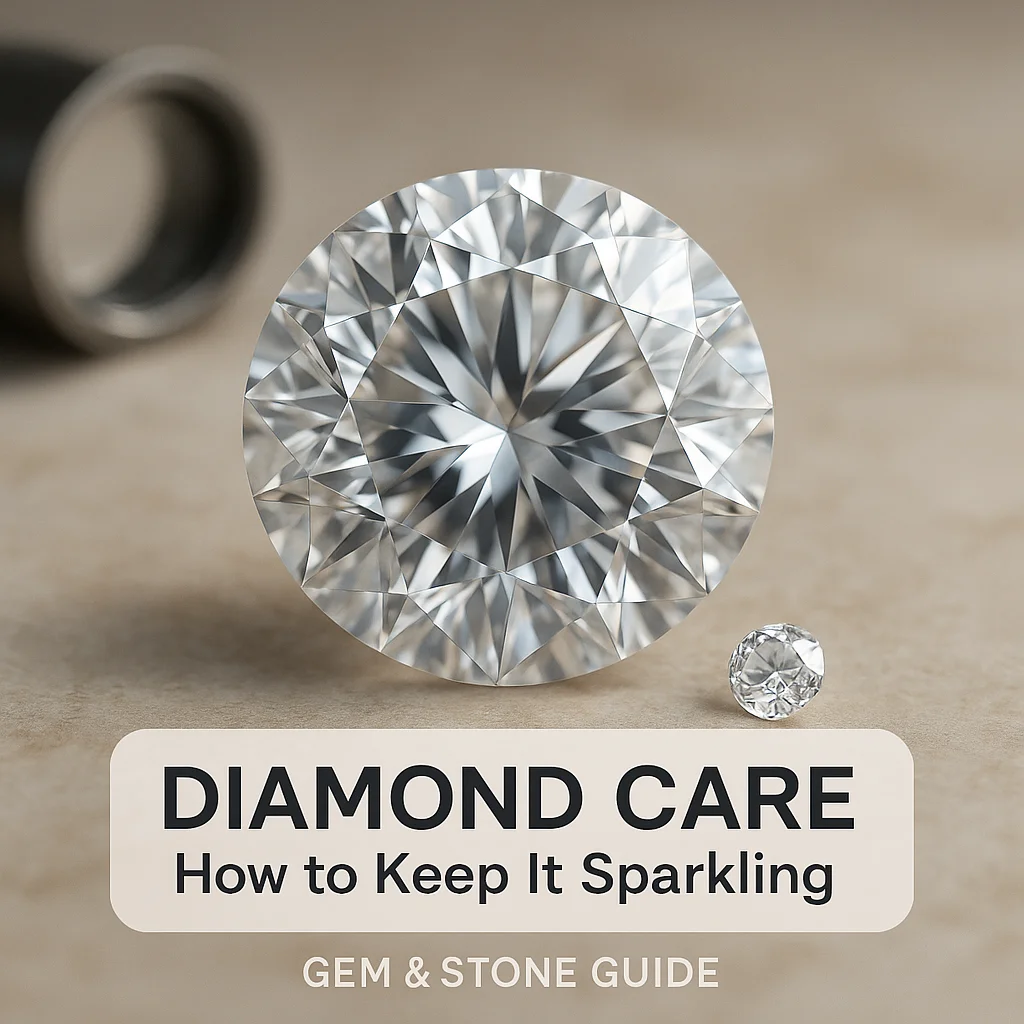
💎 Diamond Care How to Keep It Sparkling
🪨 What It Is
Diamonds are one of the most renowned gemstones, celebrated for their brilliance and hardness. As a form of carbon, diamonds are considered a mineral. They are commonly used in jewelry due to their exceptional sparkle and durability. Diamonds are also the birthstone for the month of April, making them a popular choice for gifts and special occasions.
In this article, you will learn about the characteristics of diamonds, their origins, properties, and ways to care for these precious gems. We will also cover important factors one should consider when purchasing diamonds, such as cut, clarity, and carat weight.
Understanding the basic aspects of diamonds will help you appreciate their beauty and ensure their lasting brilliance. Whether you're a new buyer or a seasoned collector, the insights provided can be practical and informative.
🌍 Where It Comes From
Diamonds are formed deep within the Earth's mantle, under high pressure and temperature conditions. They are typically brought to the surface through volcanic eruptions, encapsulated in igneous rocks known as kimberlites and lamproites.
Major diamond-producing regions include parts of Africa, Russia, Canada, and Australia. These regions are known for consistently yielding high-quality stones, with diamonds from each locale sometimes exhibiting distinct characteristics. For instance, diamonds from certain regions may have unique colors or clarity levels which can influence their market value and appeal.
The origin of a diamond can play a role in its valuation and desirability. Some buyers prefer diamonds from specific regions due to their reputation for higher quality or ethical mining practices. However, it is generally the intrinsic properties of the diamond that determine its worth.
🔬 How It Forms
The natural formation of diamonds occurs over millions of years. Carbon atoms bond under immense heat and pressure, leading to the formation of diamond crystals. These conditions, typically found around 100 miles beneath the Earth's crust, are crucial for the creation of natural diamonds.
The crystal structure of a diamond is what grants it its phenomenal hardness, which registers a 10 on the Mohs scale. The high refractive index of diamonds contributes to their unparalleled sparkle and brilliance.
When considering different varieties such as lab-grown diamonds, it's essential to note that their formation differs. Synthetically produced diamonds mimic natural conditions in a controlled environment, allowing them to replicate the natural properties of diamonds but created in significantly less time.
🎨 Color and Look
Diamonds are typically recognized for their clear, sparkling appearance, although they do occur in various colors. The colors range from near-colorless to shades of yellow, brown, blue, green, and even pink. Trace elements such as nitrogen can affect the color of a diamond, with some diamonds undergoing specific treatments to enhance or change their color.
The appearance of a diamond is significantly influenced by its cut and clarity. A well-cut diamond reflects light optimally, enhancing its brilliance. Clarity refers to the presence of inclusions, or internal features, which may affect a diamond's sparkle and overall appearance.
Common treatments to improve diamond appearance include laser drilling and fracture filling. When purchasing a diamond, you should inquire about any treatments as they can impact the gem's value and care requirements.
🧪 Properties That Matter
Diamonds are famed for their toughness and scratch resistance. As mentioned earlier, their hardness is a 10 on the Mohs scale, making them the most resistant gemstone to scratching. Despite this, they can still chip or break if struck with force due to their cleavage properties, which describe how a diamond might break along certain planes.
Transparency contributes to a diamond's luster, or how light interacts with its surface. This makes diamonds ideal for everyday wear as rings, but care should be taken to prevent knocks and potential chipping.
Understanding these properties helps in selecting diamonds suited for jewelry that endure daily wear, offering both strength and a dazzling sparkle.
✨ Meanings, Birthstones, and Culture
Diamonds hold a special place in cultural traditions and jewelry customs. In addition to being April's birthstone, they are traditionally associated with strength, clarity, and eternal love. These associations make diamonds popular choices for engagement rings and milestone gifts.
While folklore attributes various mystical properties to diamonds, such as enhancing clarity of thought, these claims remain speculative without scientific backing. Cultural symbolism varies widely, with diamonds often seen as tokens of fidelity and commitment.
🧼 Care and Cleaning
Proper care ensures that a diamond retains its sparkling beauty. Cleaning should be simple, using mild soap and water with a gentle brushing. It's crucial to avoid harsh chemicals that might affect any treatments a diamond has undergone.
Store diamonds separately in padded compartments to prevent scratches. Take care to avoid chemical exposure and sudden temperature fluctuations, which could harm treated diamonds.
Regular professional inspections can help maintain your diamond jewelry's condition, addressing any potential issues like setting loosening or surface damage.
🛒 Buying Tips and What to Check
When purchasing a diamond, consider aspects such as the four Cs: cut, color, clarity, and carat weight, all of which affect a diamond's value. The reputation of the diamond's origin can also play a part in its desirability and pricing.
Requesting a lab report can provide assurances about a diamond's characteristics and any treatments it has received. For online purchases, ensure the vendor is reputable, offers clear photographs, and provides a return policy.
Being informed about common treatments and clarity enhancements can aid in making a well-rounded purchasing decision, ensuring you choose a diamond that suits both your aesthetic desires and ethical considerations.
⚠️ Real vs Fake and Common Look-Alikes
Natural diamonds and synthetic (lab-grown) diamonds share identical properties, a distinction important mainly in their formation process. Imitations, such as cubic zirconia or glass, differ significantly, often lacking the same hardness and brilliance.
It is vital to distinguish between doublets and triplets, assembled stones using multiple layers to mimic diamonds. Reliable identification of a diamond's authenticity often requires specialized equipment and professional examination.
Understanding these distinctions helps prevent confusion and ensures confidence in your diamond purchases. It is essential to rely on verified sources for authentication rather than attempting at-home tests.
❓ Common Questions and Misconceptions
Is it a mineral or a rock? Diamonds are a mineral.
Is it a birthstone? Yes, for April.
Will it scratch easily? No, it's very hard but can chip.
Can it go in water? Yes, but avoid harsh chemicals.
Does color fade in sunlight? No, diamonds retain their color.
What treatments are common? Laser drilling and fracture filling.
Is lab-grown 'fake'? No, they have the same properties as natural diamonds.
How do I store it safely? In a padded, separate compartment.
Do inclusions always lower value? Not always, but they can affect clarity.
How do I pick a good one for jewelry? Look at the four Cs and personal preferences.
📌 Summary
- Diamonds are a mineral, celebrated for their hardness and brilliance.
- They typically range from colorless to shades of yellow, brown, and other hues.
- Formed deep in the Earth, brought to the surface by volcanic activity.
- Extremely hard with a Mohs hardness of 10, resistant to scratches but not chipping.
- Treatments may include laser drilling or fracture filling to enhance appearance.
- Clean with gentle soap and water; avoid harsh chemicals and sudden temperature changes.
- Ideal for rings due to durability but protect against chips.
- Common look-alikes include cubic zirconia; distinctions through professional testing.
- Lab reports confirm authenticity, essential for high-value stones.
- Buying tips include focusing on the four Cs and confirming origin reputation.
- April birthstone, traditionally symbolizes strength and eternal love.
- Remember: Diamonds are forever, if cared for properly.