💎 How to Check Loose Stone Damage
🪨 What It Is
Loose stones can refer to any gemstone that is not currently set into jewelry. These include a variety of minerals, gemstones, and even organic materials such as pearls or amber. Each type has unique properties and potential vulnerabilities.
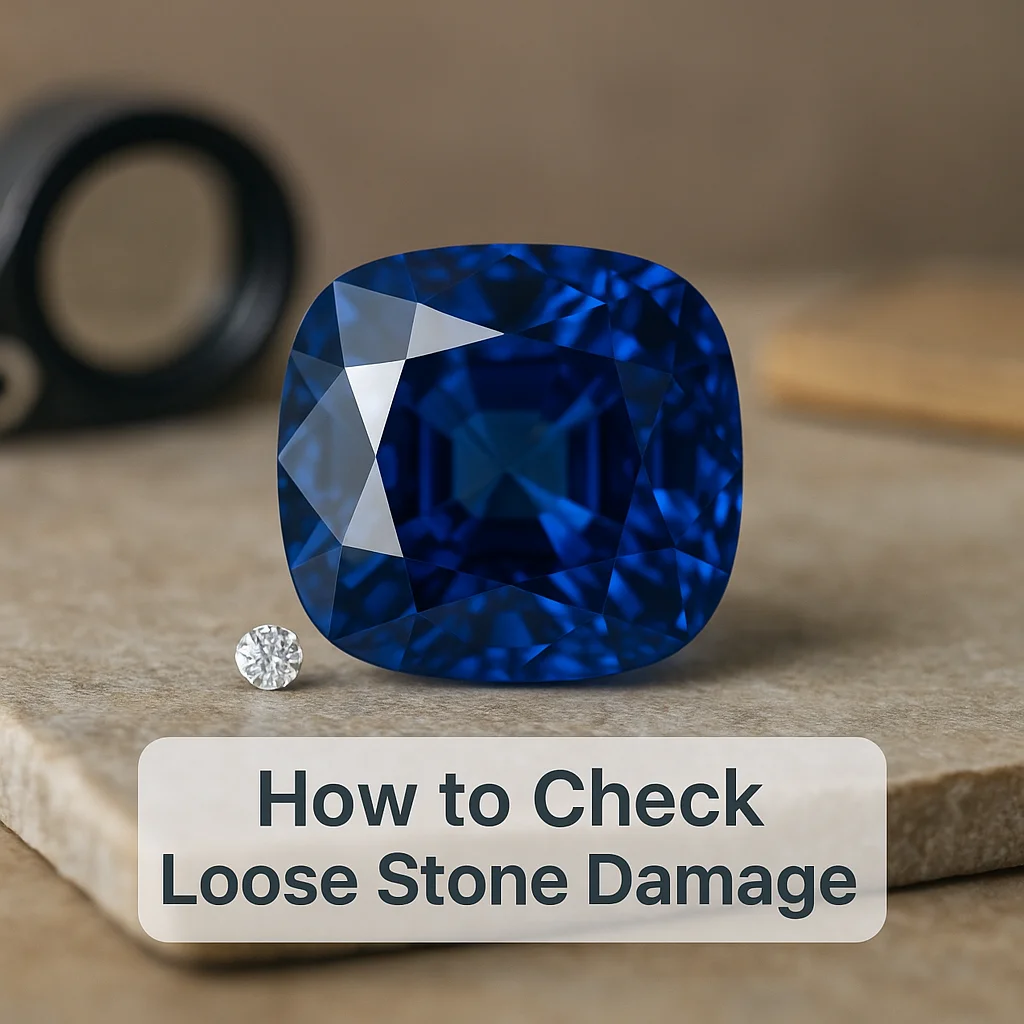
Common types of loose stones include diamonds, sapphires, emeralds, and quartz, all of which are popular in jewelry. Diamonds are cherished for their dazzling brilliance, while sapphires and emeralds are loved for their vibrant colors.
Understanding how to check for damage in loose stones is essential whether you're buying them, already own them, or are considering having them set into jewelry. You'll learn about appearance, key properties, and tips for buying and care.
🌍 Where It Comes From
Loose stones are primarily sourced from mineral deposits located worldwide. Depending on the stone, they can be found in igneous rocks formed from molten material, metamorphic rocks transformed by heat and pressure, or sedimentary rocks deposited by water.
Diamonds, for example, are often found in kimberlite pipes originating from deep within the Earth’s mantle. Sapphires and rubies usually form in metamorphic environments, while jade can be discovered in both metamorphic and igneous settings.
The origin of a stone can significantly influence its characteristics such as color and clarity. For instance, sapphires from Kashmir are known for their distinctive blue hue, whereas Burmese rubies are prized for their rich red color.
🔬 How It Forms
The formation of loose stones involves various geological processes under specific conditions of heat, pressure, and time. Diamonds crystallize under intense heat and pressure far beneath the Earth's surface over millions of years.
Gem varieties such as sapphires and rubies belong to the corundum family, where slight differences in trace elements, such as chromium or iron, result in distinct colors. Sapphires typically exhibit blue shades due to iron, while rubies are red because of chromium.
Other stones like quartz can form through hydrothermal processes, where mineral-rich hot water fills cracks and cavities in rocks, eventually crystallizing over time. This results in clear crystals often found in geodes or clusters.
🎨 Color and Look
The color and appearance of loose stones are influenced by several factors including the stone's inherent characteristics, trace elements, and any treatments it may undergo. For instance, the vibrant green of emeralds is due to chromium and vanadium.
Optical effects can include chatoyancy, seen in cat's eye chrysoberyl, and asterism, the star-like pattern found in star sapphires. The cut and polish of a stone greatly affect its sparkle and brilliance, enhancing its natural beauty.
Common treatments such as heat treatment in sapphires enhance their blue color, while oiling improves an emerald's appearance. These treatments are standard and accepted in the market, but always worth disclosing when purchasing.
🧪 Properties That Matter
The Mohs hardness scale rates a stone's scratch resistance and is crucial in determining its suitability for various types of jewelry. Diamonds sit at the top of the scale at 10, making them ideal for daily-wear rings.
A gem's toughness, or resistance to chipping, varies; for example, while diamonds are hard, they can be brittle. Cleavage, or how a stone breaks, matters too; diamonds have perfect cleavage, making them susceptible to chipping along specific planes.
Luster, the quality of a stone's surface reflection, can range from metallic to dull. Most gem-quality stones have a vitreous or glass-like luster, contributing to their attractiveness in jewelry.
✨ Meanings, Birthstones, and Culture
Culturally, many stones carry symbolic meanings or are associated with specific months as birthstones. For example, diamonds represent April and are traditionally associated with eternal love due to their timeless beauty.
Throughout history, people have assigned various meanings to gemstones. Rubies, known as the "king of gems,” are considered symbols of passion and courage, while sapphires are believed to bestow wisdom and protection.
Although these beliefs are traditionally rooted, it's important to separate cultural symbolism from scientific properties. Such associations add layers of enjoyment and significance for those who value them.
🧼 Care and Cleaning
Caring for loose stones involves gentle cleaning and careful handling to avoid damage. The safest cleaning method is using mild soap and water, followed by drying with a soft cloth to prevent scratching.
Porous and soft stones like opal, turquoise, or pearls require special care. Avoid harsh chemicals, ultrasonic cleaners, and sudden temperature changes that can damage these sensitive gems.
For storage, keep loose stones in separate compartments or soft fabric pouches to prevent scratching. Ensure they are kept away from humidity and excessive heat to maintain their condition.
🛒 Buying Tips and What to Check
When buying loose stones, consider factors such as color, clarity, cut, and carat weight. Color consistency and vibrancy can greatly impact a stone's value, while the quality of the cut determines its brilliance.
Clarity involves the presence of inclusions or blemishes. While high clarity is often more desirable, some stones like emeralds are almost always included and this can add to their character.
For high-value purchases, request a certification report from a reputable gem lab to verify a stone's authenticity and disclose any treatments. When buying online, ensure there's a clear return policy and the seller has a good reputation.
⚠️ Real vs Fake and Common Look-Alikes
The difference between natural, synthetic, and imitation stones is crucial in the gem world. Natural stones form without human intervention, synthetic stones share the same chemical composition as natural stones but are created in labs.
Imitation stones, made from glass, plastic, or composites, mimic the appearance of genuine stones without sharing their properties. Assembled stones like doublets or triplets consist of layers bonded to enhance appearance.
Common look-alikes include cubic zirconia as a diamond substitute. While they may look similar, their properties differ significantly. Professional gem testing is recommended for conclusive identification.
❓ Common Questions and Misconceptions
Is it a mineral or a rock? Most gemstones are minerals, formed under geological conditions. Pearls and amber, however, are organic.
Is it a birthstone? Yes, many loose stones are traditional birthstones, like aquamarine for March and garnet for January.
Will it scratch easily? This depends on hardness. Diamonds resist scratches well, while softer gems like turquoise do not.
Can it go in water? Generally, yes, but avoid soaking porous or treated stones as water can damage them.
Does color fade in sunlight? Some stones, like amethyst, may fade with prolonged exposure. Store them in dark, cool places.
What treatments are common? Heat treatment, oiling, and irradiation are commonly used to enrich color and clarity.
Is lab-grown 'fake'? Lab-grown stones are not fake; they share the same properties as natural stones but are more affordable.
How do I store it safely? Use soft pouches or separate compartments to avoid scratches and protect from dust and sunlight.
Do inclusions always lower value? Not always; some inclusions like star patterns can increase a gem's interest and value.
How do I pick a good one for jewelry? Consider durability, color preference, and setting style. Ask about treatments and authenticity.
📌 Summary
- Loose stones can be minerals, organic, or hybrids.
- Common colors include vibrant reds, blues, greens, and whites.
- Formed through natural geological processes.
- Hardness and toughness determine suitability for jewelry.
- Treatments like heating and oiling affect value.
- Clean gently with soap and water; store carefully.
- Ideal for earrings, pendants, or rings depending on durability.
- Common look-alikes require professional testing.
- Lab reports verify authenticity and quality.
- Check color, clarity, cut, and carat weight when buying.
- Cultural significance includes birthstone traditions.
- Remember: Authenticity governs true value and enjoyment.