💎 How to Clean Gemstone Jewelry Safely
🪨 What It Is
Understanding gemstone jewelry begins with knowing what these unique and beautiful stones are. Gemstones can be either minerals, which are characterized by their crystallographic structure and chemical composition, or rocks, which are aggregates of minerals. There are also organic gems like pearls, which are formed by living organisms. Many gemstones, such as sapphires or diamonds, are highly sought after and are popular choices in jewelry.
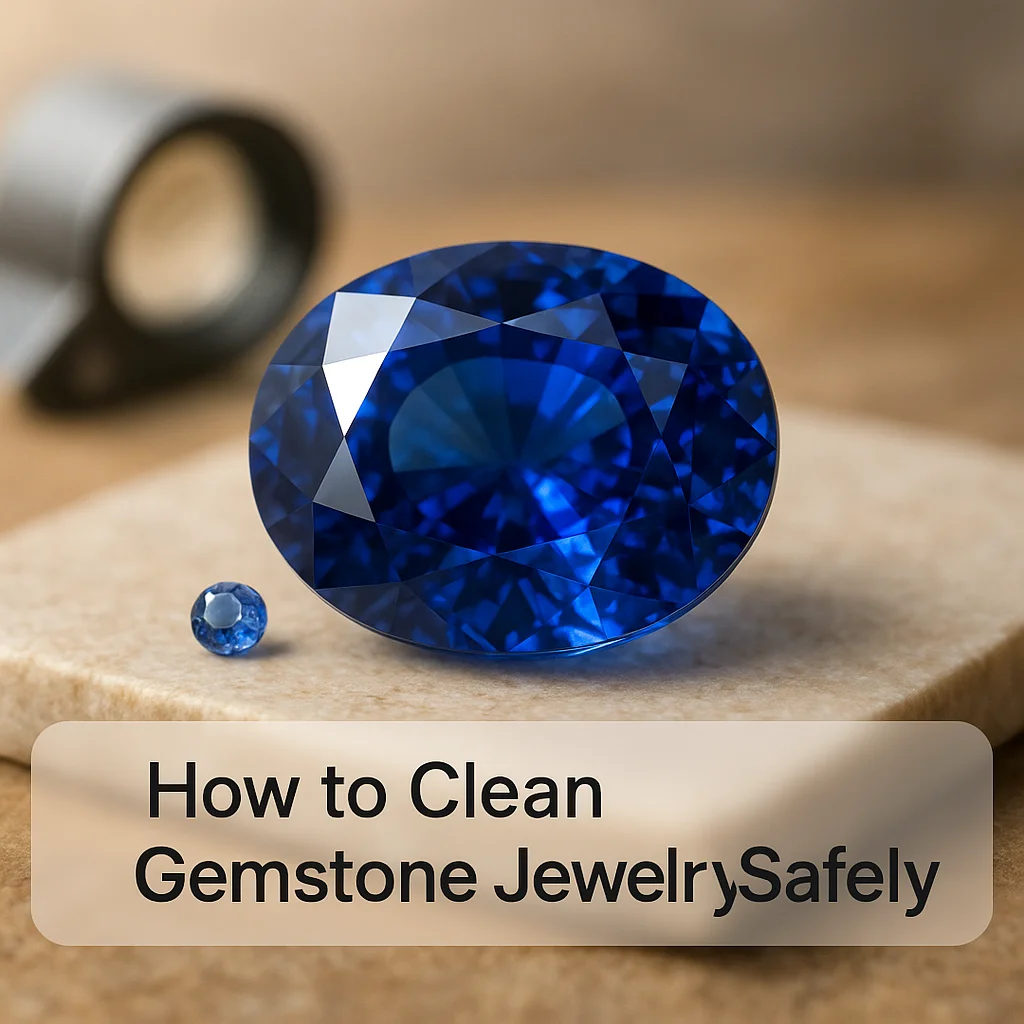
Different gemstones exhibit a range of properties that contribute to their beauty and value, including their color, clarity, and cut. Some gemstones are also associated with specific months as birthstones, adding a personal significance when given as gifts. As you explore the world of gemstones, you’ll gain insights into their appearances, properties, and how to care for them.
Throughout this guide, you will learn about the origins of gemstones, their formation, common treatments, and most importantly, how to clean and care for your gemstone jewelry. Proper cleaning techniques are essential to maintain your jewelry's brilliance and longevity.
🌍 Where It Comes From
Gemstones are found all over the world in various geological settings. They can form in igneous rocks, which solidify from molten magma, metamorphic rocks, which transform under heat and pressure, or sedimentary rocks, which accumulate from material deposits. Some gemstones are also found in hydrothermal veins, created by mineral-laden water under the Earth's surface.
The origin of a gemstone can influence its color and quality. For example, sapphires from Kashmir are known for their exceptional blue color. Similarly, emeralds from Colombia are prized for their vivid green hue and clarity. While origin can impact a gemstone's value, beauty and personal preference are also significant factors in choosing one.
When purchasing gemstone jewelry, understanding where the stone comes from can inform its market reputation and authenticity. However, remember that appearance, durability, and personal resonance often weigh more heavily for many jewelry enthusiasts.
🔬 How It Forms
The formation of gemstones is a fascinating process that involves a combination of heat, pressure, and time. Most crystals form deep within the Earth, growing over thousands or even millions of years. For instance, diamonds require extreme pressure and temperatures deep in the mantle to crystallize carbon atoms into their unique structure.
Gemstones like quartz varieties, including amethyst and citrine, gain their colors from trace elements or defects within their crystal lattice. Inclusions, which are naturally occurring materials trapped within a gemstone, or specific growth patterns can also affect a gemstone's appearance and value.
When gemstones reach the surface, they may be eroded or weathered from their host rocks, eventually being discovered in places like riverbeds or open mines. These processes and conditions result in the stunning array of colors and patterns seen in gemstone jewelry today.
🎨 Color and Look
The beauty of gemstones is often defined by their colors, which range from the striking blues of sapphires to the deep reds of rubies. The transparency and brilliance of stones like diamonds add to their allure. Various optical effects, such as chatoyancy (cat's eye effect) and asterism (star effect), can also enhance a gemstone's visual appeal.
A gemstone's cut and polish greatly influence its appearance, affecting how light interacts with it. Clarity, or the presence of visible inclusions, can either enhance a gemstone's character or slightly diminish its value. Lighting conditions further influence how we perceive a stone's color and luster.
Some gemstones undergo treatments to enhance their appearance, such as heat treatment to improve color, or oiling to reduce visible fractures, particularly in emeralds. These treatments can be common, so it's important for buyers to inquire about them when purchasing gemstone jewelry.
🧪 Properties That Matter
When considering gemstones for jewelry, their physical properties are crucial. Mohs hardness, which indicates scratch resistance, ranges from 1 (talc) to 10 (diamond). A gemstone's hardness affects its suitability for different types of jewelry. For instance, diamonds are ideal for rings worn daily due to their superior hardness.
Toughness, the stone's ability to resist chips or breaking, is also important. Some stones, like jade, have high toughness despite a lower hardness. Cleavage describes how a stone breaks along specific planes; gemstones with perfect cleavage, like topaz, may require more careful handling.
The luster, or how a gemstone reflects light, can vary from glassy to metallic, while transparency ranges from transparent to opaque. These characteristics guide how a gemstone is best displayed and accessorized in jewelry.
✨ Meanings, Birthstones, and Culture
Throughout history, gemstones have been attributed with cultural significance, often associated with specific months as birthstones. For example, garnet is the birthstone for January, believed to symbolize protection and confidence.
In addition to birthstones, many gemstones are traditionally associated with metaphysical qualities. Amethyst, for instance, is often linked to calmness and clarity, while pearls are seen as symbols of purity and wisdom. These associations add layers of meaning when gifting or wearing gemstone jewelry.
Modern jewelry trends often incorporate these traditional beliefs, combining fashion with personal and cultural expression. However, it's important to understand that these meanings are largely cultural and not scientifically proven.
🧼 Care and Cleaning
Proper care is essential to maintain the beauty of your gemstone jewelry. Generally, a gentle cleaning with mild soap and water is effective for most gemstones. Use a soft cloth to gently scrub and dry the jewelry, avoiding harsh chemicals that could damage the stone.
Special caution is needed for softer or porous stones like opals, pearls, and turquoise, which can be damaged by liquids and heat. For treated stones, such as oiled emeralds, avoid soaking and exposure to drastic temperature changes.
Store your gemstone jewelry separately to prevent scratches. Using cloth pouches or soft-lined compartments can protect them from damage by harder gemstones or metals.
🛒 Buying Tips and What to Check
When purchasing gemstone jewelry, factors like color, clarity, cut, and carat weight can influence price and quality. Gemstones with rich, uniform colors, minimal inclusions, and precise cuts are typically more valued.
It's wise to ask about any treatments the gemstone has undergone and request a lab report for high-value purchases. Lab reports identify and certify certain characteristics, though they cannot always determine origin or prove completely an authenticity.
If buying online, ensure you check detailed photos, understand the return policy, and buy from reputable sellers who provide full disclosure of any enhancements or treatments.
⚠️ Real vs Fake and Common Look-Alikes
The gemstone market includes both natural and synthetic stones. Synthetic stones are lab-grown but share the same chemical composition as natural ones, whereas imitations like glass or plastic only mimic the appearance.
Some gemstones are assembled, using multiple layers or bonding materials, known as doublets or triplets. These are typically used to enhance the appearance or strength of a natural gemstone.
Common look-alikes, such as cubic zirconia for diamonds, pose identification challenges. Always seek an expert appraisal or professional testing to confirm a gemstone's authenticity accurately.
❓ Common Questions and Misconceptions
"Is it a mineral or a rock?" Gemstones are typically minerals, though some are organically formed.
"Is it a birthstone?" Yes, many gemstones are linked to specific months as birthstones.
"Will it scratch easily?" This depends on its Mohs hardness; softer stones scratch more easily.
"Can it go in water?" Generally yes, but porous or treated stones may be harmed.
"Does color fade in sunlight?" Some gemstones like amethyst may fade with prolonged exposure to sunlight.
"What treatments are common?" Heat, oiling, and irradiation are common treatments to enhance appearance.
"Is lab-grown 'fake'?" Lab-grown stones are not fake but are identical in composition to natural stones.
"How do I store it safely?" Store separately in soft-lined compartments to prevent scratching.
"Do inclusions always lower value?" Not always; unique inclusions can add character and tell a story.
"How do I pick a good one for jewelry?" Look for vibrant color, clarity, a good cut, and if possible, get a lab certification.
📌 Summary
- Gemstones can be minerals or organic materials.
- They exhibit a range of colors from vibrant to subdued.
- Formation involves geological processes over time.
- Hardness, toughness, and clarity determine wearability.
- Treatments like heating can affect appearance and value.
- Gentle cleaning with soap and water is usually safe.
- Choose stones based on use: rings require robust stones.
- Common look-alikes pose identification challenges.
- Professional appraisals confirm authenticity.
- Consider color, cut, and lab reports when buying.
- Birthstones hold cultural significance as traditional gifts.
- Understanding properties enhances appreciation and care.