💎 How to Store Gemstones to Prevent Scratches
🪨 What It Is
Gemstones are natural crystalline formations of minerals that are prized for their beauty and durability. Their appeal lies in the aesthetically pleasing colors, unique patterns, and the ability to be polished into stunning jewelry pieces. While some gemstones are minerals, others like pearls are organic, formed by living organisms.
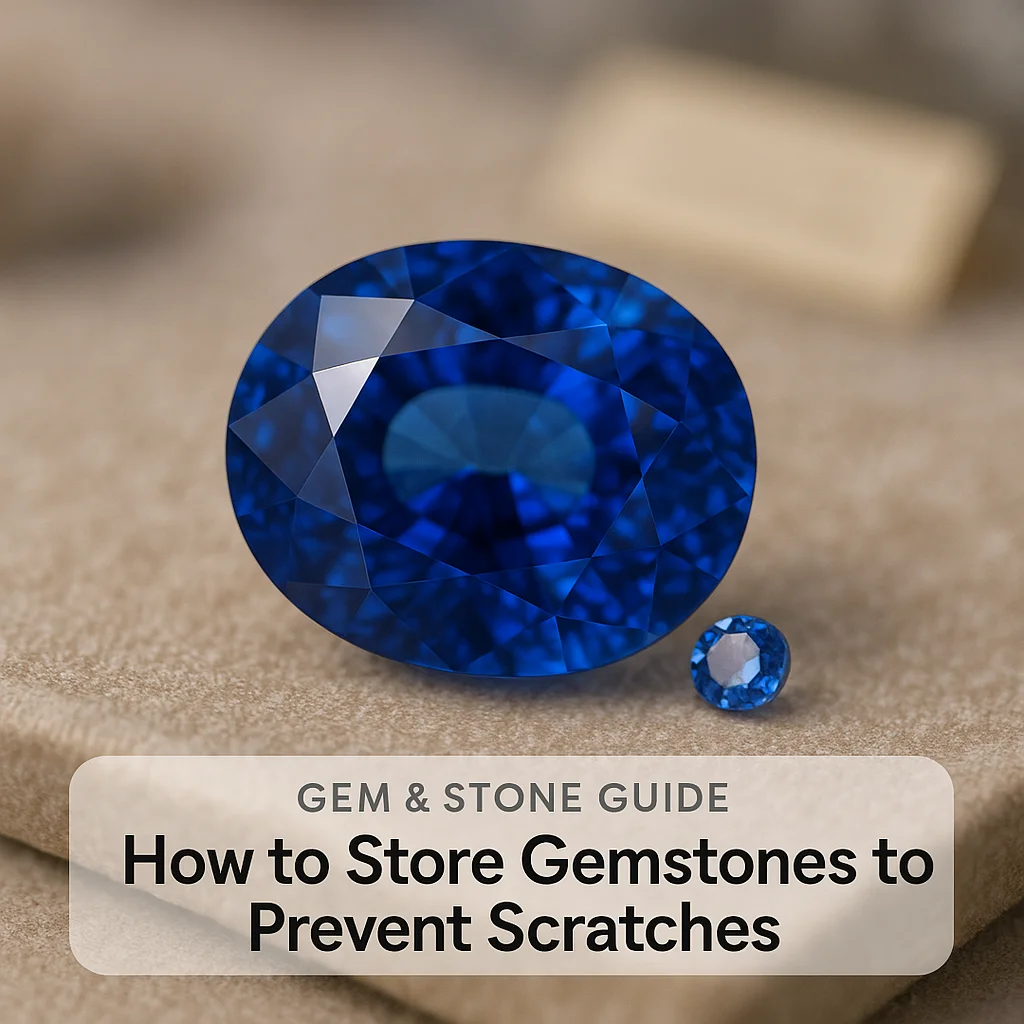
Gemstones can be classified into two broad categories: precious and semi-precious. Precious gemstones include diamonds, sapphires, rubies, and emeralds, known for their rarity and value. Semi-precious stones, such as amethyst, garnet, and citrine, are more abundant but remain highly desirable. Some gemstones are linked to birth months or astrological signs, often presented as birthstones like the April diamond or September sapphire.
In this article, you will learn about various practical aspects of storing gemstones, including their properties, care tips, and distinguishing real gemstones from look-alikes. Understanding these factors can help you preserve your gemstones' beauty and value over time.
🌍 Where It Comes From
Gemstones are found around the world, each emerging from a unique geologic environment. Many gemstones such as rubies and sapphires are formed in metamorphic settings where heat and pressure alter pre-existing rocks. Others like diamonds come from deep within the Earth's mantle, brought to the surface by volcanic eruptions.
Some regions are renowned for their gemstones. For example, Sri Lanka is known for its sapphires, while Colombia is famous for its emeralds. The source of a gemstone can significantly impact its value and desirability due to varying colors, clarity levels, and reputations associated with the origin.
The geological setting where gemstones form plays a crucial role in their characteristics. For instance, gemstones from specific regions may exhibit unique colors due to trace elements present during formation. Understanding origin reveals insights into a gemstone's quality and potential enhancements made to its appearance.
🔬 How It Forms
Gemstone formation involves a combination of heat, pressure, chemical reactions, and time. For example, diamonds form deep in the Earth’s mantle under extreme heat and pressure, while quartz, a common gemstone, crystallizes from cooling silica-rich fluids.
Gem varieties often derive their color from trace elements during formation. For instance, the presence of chromium gives rubies their red hue, while iron results in sapphire's blue color. The crystal habit, or typical shape, can also vary. Quartz often crystallizes in prisms, while flake-shaped mica is known to cleave easily.
Understanding how gemstones form offers insights into their appearance and properties, which further aids in appropriate storage techniques to avoid damage like scratches.
🎨 Color and Look
The appearance of gemstones is a captivating aspect for many enthusiasts. Gemstones exhibit a wide range of colors, from the deep blue of sapphires to the vivid green of emeralds. Sometimes, they may display optical phenomena like a cat's eye effect known as chatoyancy or a star-like pattern called asterism.
The appearance of a gemstone can greatly depend on its cut, polish, and clarity. A well-cut stone can maximize color and brilliance, while clarity refers to the presence of inclusions or blemishes. Lighting also plays a role; gemstones can appear different under sunlight compared to artificial lighting.
Common treatments such as heat treatment can enhance a gemstone's color and clarity. These enhancements should be disclosed to prospective buyers as they might affect the stone's value.
🧪 Properties That Matter
Gemstones have specific properties that determine their suitability for different types of jewelry. Mohs hardness scale is a critical factor; it measures a stone's resistance to scratching. Diamonds top this scale, making them ideal for daily-wear jewelry like rings.
Toughness refers to a gemstone's resistance to chipping or breaking. Stones like jade, which are tough, are suitable for intricate carvings. Cleavage and fracture describe how a gemstone breaks; for instance, diamonds have a cleavage that allows them to split cleanly.
Luster describes the way a gemstone reflects light, ranging from metallic to vitreous (glass-like) for minerals such as quartz. These properties impact how a gemstone should be worn or stored to minimize damage and preserve its beauty.
✨ Meanings, Birthstones, and Culture
Throughout history, gemstones have held significant cultural and symbolic meanings. While some associations are steeped in folklore, others have become cultural traditions like birthstones. January's birthstone, garnet, is traditionally associated with protection and vitality.
Modern jewelry practices often incorporate these traditional notes, using gemstones as symbols of luxury, beauty, and personal meaning. When a gemstone is linked to a birth month or zodiac sign, it often holds sentimental value, making it a popular gift choice.
It's important to differentiate between tradition and fact. While gemstones like amethyst were once believed to prevent intoxication, such properties are not scientifically supported.
🧼 Care and Cleaning
The care and maintenance of gemstones are crucial to prolonging their life. Gentle cleaning with soap and water is usually safe for most hard gemstones. Use a soft cloth to avoid scratching their surface.
Avoid using harsh chemicals which can damage more delicate or treated stones. Heat and sudden temperature changes can cause certain gemstones to crack, so avoid exposure to extreme conditions.
To prevent scratches, store gemstones separately, ideally in soft pouches or lined jewelry boxes. Be particularly cautious with porous stones like opal or those with natural inclusions like emeralds.
🛒 Buying Tips and What to Check
When buying gemstones, various factors affect their price and quality. The four Cs—color, clarity, cut, and carat weight—are primary considerations. A vivid color with minimal inclusions typically indicates higher value.
Knowing if a gemstone has undergone treatment is key. Some treatments are widely accepted, yet they should always be disclosed at the time of purchase. High-value stones often merit a certificate from a reputable lab to confirm their authenticity.
When purchasing online, assess clear photos, evaluate the seller's return policy, check their reputation, and ensure full treatment disclosure. These precautions can help you make an informed buying decision.
⚠️ Real vs Fake and Common Look-Alikes
The market for gemstones includes natural, synthetic (lab-grown), and imitation stones. While synthetic gemstones share the same chemical properties as natural ones, imitations like glass or plastic lack these traits, often used to mimic the appearance affordably.
Doublets and triplets are assembled stones using a thin layer of genuine gemstone materials bonded with other materials to give the illusion of a full stone. Knowing these distinctions can prevent costly mistakes.
Common look-alikes include sapphire and tanzanite or diamond with cubic zirconia. Professional testing is necessary for accurate identification as it exceeds the capability of at-home practices.
❓ Common Questions and Misconceptions
Is it a mineral or a rock? Most gemstones are minerals, with some exceptions like pearls.
Is it a birthstone? Many gemstones like emeralds and rubies are recognized as traditional birthstones.
Will it scratch easily? Hardness matters; softer stones like turquoise are more prone to scratches.
Can it go in water? Most gemstone cleaning includes water but avoid long soaking, especially for porous stones.
Does color fade in sunlight? Some gemstones, such as kunzite, may fade with prolonged sun exposure.
What treatments are common? Heat treatment and irradiation are often used to enhance color and clarity.
Is lab-grown "fake"? Lab-grown stones are not fake; they replicate the natural stone chemically.
How do I store it safely? Store different gemstones separately to prevent scratching, using soft pouches or lined jewelry boxes.
Do inclusions always lower value? Minor inclusions can be acceptable if they don't diminish overall beauty.
How do I pick a good one for jewelry? Consider factors like durability, personal preference in color and style, and practical wearability.
📌 Summary
- Gemstones are natural or organic materials prized for beauty and durability.
- Commonly found colors include blue sapphires and red rubies with potential optical effects.
- Forming through a mix of heat, pressure, and time with trace elements often affecting color.
- Key properties include hardness, toughness, and luster affecting jewelry use.
- Treatments like heat are common, enhancing appearance but affecting value.
- For cleaning, gentle methods are best, storing separately to prevent scratches.
- Ideal for rings, pendants, and earrings depending on properties.
- Common imitators include cubic zirconia vs diamond, needing professional analysis.
- Report authenticates, confirming factors like treatment and origin.
- Buying checklist: photos, return policy, seller reputation, full disclosures.
- Traditionally meaningful as birthstones and in folkloric associations.
- Key takeaway: Store gemstones carefully to keep them scratch-free and lustrous.