💎 How to Tighten Loose Prongs Warning Signs
🪨 What It Is
Tightening loose prongs is a crucial aspect of jewelry care that ensures the security of gemstones in their settings. A prong is a small metal claw that grips the gemstone, holding it firmly in place. As time goes by, wear and exposure to various conditions can loosen these prongs, increasing the risk of losing the stone. Recognizing and responding to warning signs is vital for preserving the integrity of your jewelry.
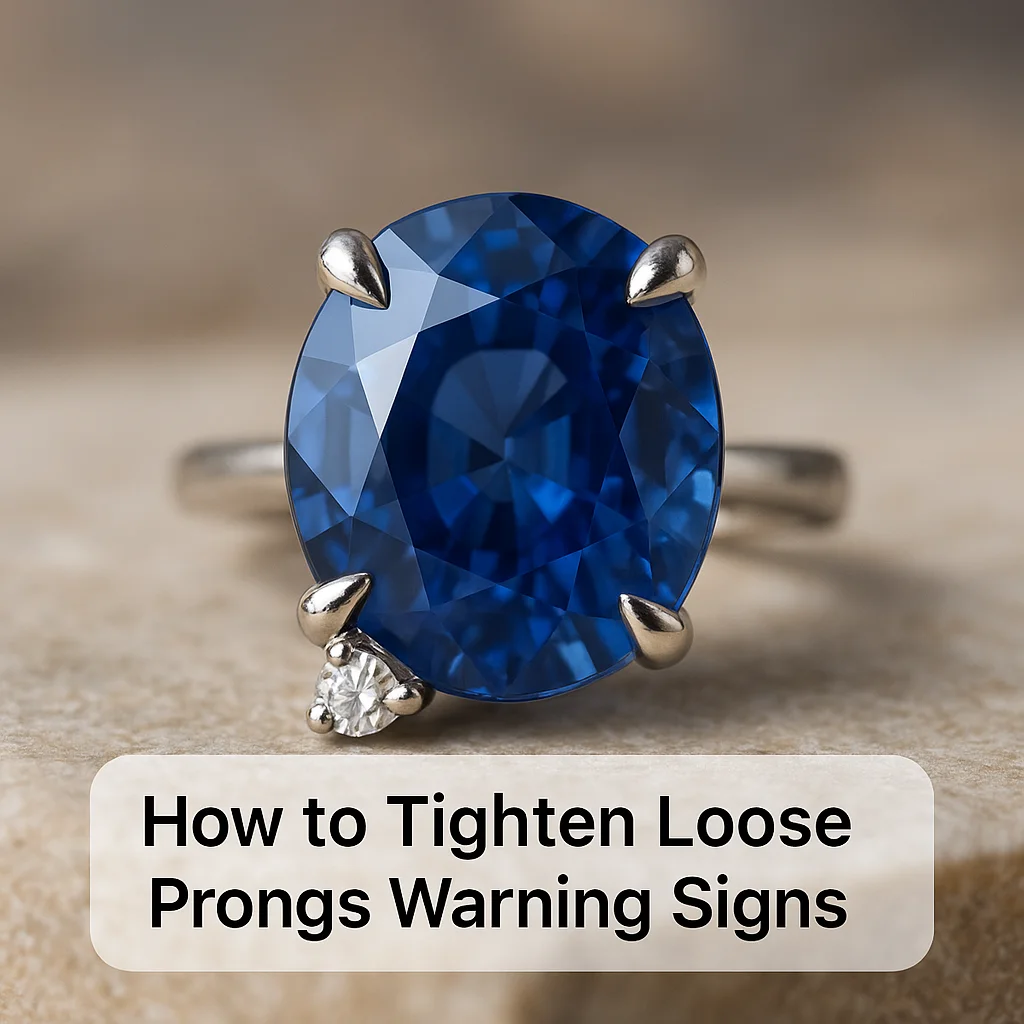
When prongs become loose, it's important to understand the potential risks and take action to prevent damage or loss. This guide will help you identify the signs of loose prongs and teach you how to address them effectively. Whether you own a ring featuring a beloved birthstone or a necklace set with a sparkling gem, this knowledge is essential for maintaining your pieces.
By the end of this article, you will understand what prongs are, the factors that affect their integrity, and how to maintain the security of your stones. This foundation is beneficial for anyone interested in gemstones, whether you're a beginner or expanding your knowledge about gem care.
🌍 Where It Comes From
Most prongs are made from metals such as gold, silver, or platinum. These metals are chosen for their durability and ability to withstand the daily wear demands of jewelry. However, it's important to note that not all prongs are created equal; different metals provide varying levels of resistance to bending and wear.
The choice of metal is often influenced by factors like the type of gemstone, the jewelry's design, and the overall aesthetic. High-quality pieces may use platinum prongs, prized for their resistance to wear. Gold is another popular choice, available in various karats, with higher karat gold being softer.
Understanding the origin of prong metals and their properties can help you make informed decisions about jewelry care. The right metal selection can prolong the life of both the prongs and the gemstones they hold, enhancing the overall value and appeal of your jewelry.
🔬 How It Forms
Gemstones held by prongs often undergo natural processes in their formation. They form under specific geological conditions such as intense heat, pressure, and time. For example, diamonds require extreme pressure and heat deep within the Earth's mantle, while sapphires form from aluminum oxide in similarly high-pressure environments.
The manner in which prongs are set can vary, with each method affecting the stone's appearance and security. Traditional settings include four or six prongs, but some specialty settings may use more or fewer. Careful craftsmanship ensures that prongs tightly grip the gemstone, reflecting both light and assisting in preventing the stone from shifting.
The formation and setting of gemstones in prongs play a critical role in emphasizing their natural beauty. The correct angle and tension not only secure the gemstone but also enhance its optical properties such as brilliance and fire, making them shine to their full potential.
🎨 Color and Look
The appearance of prongs can complement or contrast with the gemstone they hold. Metal color choices such as yellow gold, white gold, and platinum are common and influence the way the gemstone's color is perceived. For instance, white metals like platinum and white gold can enhance the cool tones in diamonds.
The cut and polish of the gemstone also affect its appearance when set in prongs. A well-cut stone will have balanced proportions that allow light to reflect evenly across its facets. Clarity, too, plays a role, as inclusions within the gemstone can affect its overall look, impacting its perceived value.
Treatments like heat or dye can change the color or clarity of a gemstone. It's important for buyers to be aware of such treatments, as they can influence durability and care requirements. When considering prong-set jewelry, look for consistent color, a reflection of careful treatment applications.
🧪 Properties That Matter
Mohs hardness is a crucial property, measuring how easily a gemstone can be scratched. Harder stones like diamonds (rated 10) are ideal for rings, which endure daily wear. Softer stones like quartz (rated 7) may be better for pendants or earrings, where they are less likely to scratch.
Toughness refers to a stone's resistance to chipping and breaking. A gemstone's toughness can vary significantly, influencing its suitability for certain types of jewelry. Cleavage, or the way a gemstone breaks along certain planes, is also a critical factor, as stones with perfect cleavage, like fluorite, may require extra care.
Luster and transparency are key aesthetic properties. Luster describes how a stone reflects light, while transparency indicates how much light passes through it. Gemstones with high luster and transparency are often sought after for their optical appeal and brilliance.
✨ Meanings, Birthstones, and Culture
The cultural significance of gemstones is prevalent throughout history. Birthstones, for example, are traditionally associated with specific months and hold particular symbolic meanings. For instance, diamonds are associated with April, symbolizing strength and clarity.
Modern jewelry traditions often incorporate these cultural meanings into their designs. While scientific evidence for the effects of gemstones is limited, many wearers value the symbolic associations for personal or cultural reasons.
While gemstones are cherished for their beauty and symbolism, it's essential to separate these cultural beliefs from the scientific properties of the stones. Recognizing the distinction ensures we appreciate both the traditions and the tangible qualities of our jewelry.
🧼 Care and Cleaning
Regular care and cleaning are necessary to maintain the beauty and security of prong-set gems. Gentle soap and water are recommended default cleaning methods, ensuring that harsh chemicals, which could damage both stones and metal settings, are avoided.
Using a soft cloth for drying prevents abrasions. Avoiding sudden temperature changes and prolonged soaking further protects your gemstones from stress that could loosen prongs or harm softer stones.
Storing your jewelry properly is equally important. Use a padded jewelry box or individual scratch-resistant pouches to prevent your pieces from coming into contact with each other, reducing the risk of scratching or bumping.
🛒 Buying Tips and What to Check
When purchasing jewelry, consider factors that affect price and quality: color, clarity, cut, carat weight, and the metal used for prongs. Origin can influence market reputation, although it's just one of many factors.
Always inquire about treatments that your gemstone may have undergone. Requesting a lab report for high-value stones is practical, providing insights into their natural or synthetic origins, along with any enhancements.
A checklist for online purchasing includes examining clear photos, confirming the seller's reputation, ensuring a fair return policy, and requesting full disclosure of treatment and quality reports.
⚠️ Real vs Fake and Common Look-Alikes
Distinguishing between natural, synthetic, and imitation gemstones requires careful examination. Natural stones form in the Earth, while synthetic stones are lab-grown but possess identical properties. Imitation stones might look similar but are usually composed of different materials such as glass or plastic.
Assembled stones, like doublets or triplets, combine layers to enhance appearance or mimic more costly stones. Knowing these distinctions helps prevent confusion and ensures informed decisions when buying or appraising jewelry.
Using professional testing is critical for authentication. Experts use tools such as refractometers and microscopes, along with their knowledge, to provide definitive identifications.
❓ Common Questions and Misconceptions
Is it a mineral or a rock? Gemstones are generally minerals.
Is it a birthstone? Many gemstones hold this cultural status, like ruby for July.
Will it scratch easily? This depends on Mohs hardness; harder stones are more scratch-resistant.
Can it go in water? Most can, but prolonged soaking is often discouraged.
Does color fade in sunlight? It can for some treated stones; proper storage is key.
What treatments are common? Heat treatment and irradiation are typical for color enhancement.
Is lab-grown 'fake'? No, lab-grown stones have the same properties as natural ones.
How do I store it safely? Use soft, individual pouches for protection against scratches.
Do inclusions always lower value? Not always; they might influence value based on type and visibility.
How do I pick a good one for jewelry? Consider use, durability (hardness, toughness), and personal preference.
📌 Summary
- Prongs are small metal claws that secure gemstones.
- Materials like gold and platinum are commonly used for their durability.
- Prongs are essential for showcasing and protecting gemstones.
- Hardness and toughness determine a gemstone's suitability for certain jewelry types.
- Common treatments include heat and dye.
- Gentle cleaning with soap and water helps maintain gem settings.
- Rings require harder stones due to frequent contact with surfaces.
- Imitation stones are often made of glass or plastic.
- Authenticity is confirmed through professional gemological testing.
- Buying tips include checking photos, seller reputation, and asking about treatments.
- Symbols and traditions enrich cultural connections to gemstones.
- Recognizing loose prongs is essential for jewelry safety and longevity.