💎 Pearl Care Wipe and Store Properly
🪨 What It Is
Pearls are unique among gemstones because they are organic. Formed within the soft tissue of living mollusks, such as oysters and mussels, pearls are prized for their lustrous beauty and timeless elegance. As a popular choice for jewelry, pearls are also recognized as the birthstone for June, embodying purity and sophistication.
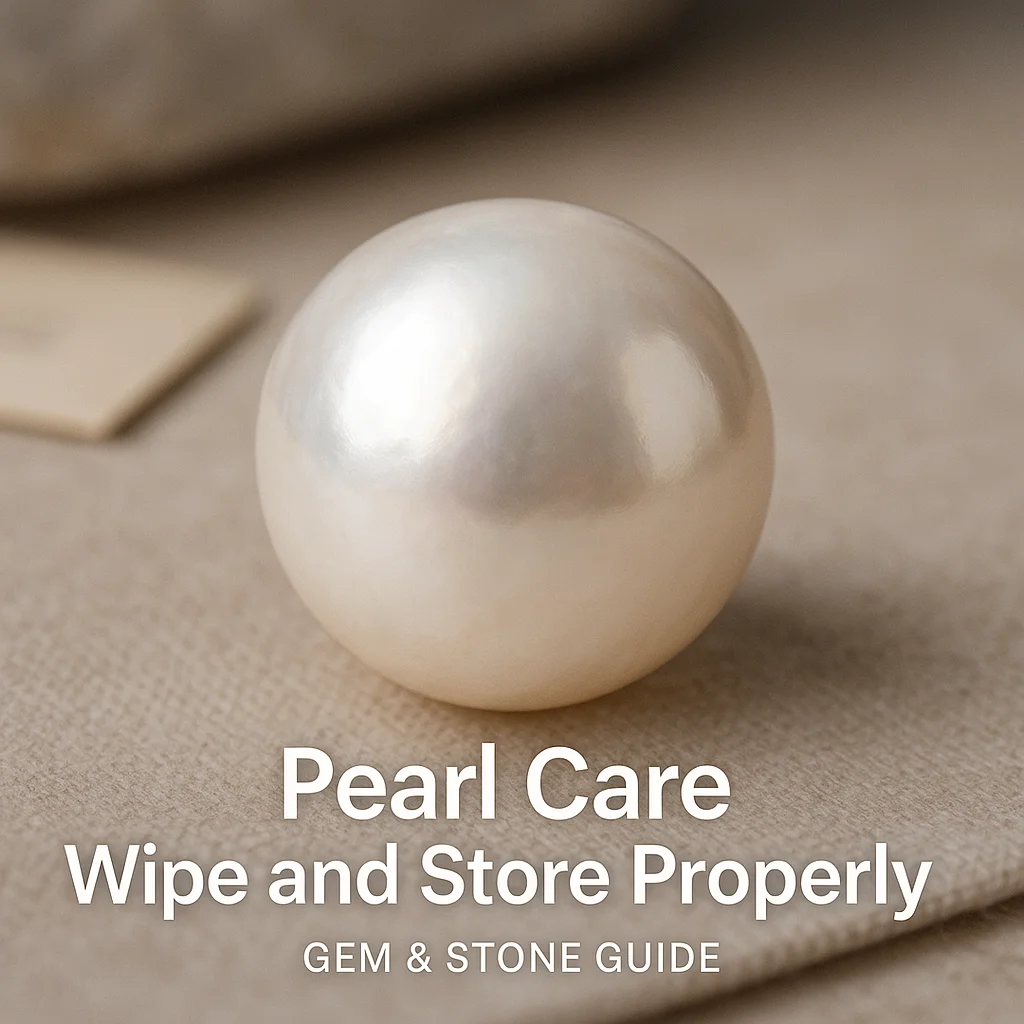
This article will guide you through the basics of pearl care, highlighting their appearance, origins, properties, cultural significance, and more. You'll learn practical tips on cleaning and storing your pearls, along with helpful advice on purchasing them.
Understanding pearl characteristics and how they are formed will enhance your appreciation of these gems and empower you to make informed choices regarding their care and selection.
🌍 Where It Comes From
Pearls occur naturally in marine and freshwater environments, formed by the secretion of nacre, a substance produced by mollusks. They are predominantly found in mollusks dwelling in oyster beds, which thrive in warm saltwater as well as freshwater bodies such as rivers and ponds.
Historically, the finest natural saltwater pearls were harvested from the Persian Gulf, while freshwater pearls have been collected from lakes and rivers in Asia and North America. Today, cultured pearls, which are created with human intervention, dominate the market. Leading producers include China, Japan, Australia, and Tahitian waters.
Origin plays a crucial role in a pearl's market reputation, influencing attributes like luster, color, and size. Pearls from well-known regions often carry a higher price tag due to their perceived quality and unique characteristics.
🔬 How It Forms
Pearl formation begins when an irritant, such as a tiny sand grain, becomes lodged inside a mollusk's shell. In response, the mollusk secretes layers of nacre, encasing the irritant in its lustrous material over a period of years.
The process can take anywhere from six months to several years, depending on the species and environmental conditions. Cultured pearls are created by inserting a small bead or tissue into the mollusk to stimulate nacre production, following the same natural principle but under controlled conditions.
While natural pearls are rare, the discovery of culturing has enabled mass production, making pearls more accessible for jewelry enthusiasts worldwide.
🎨 Color and Look
Pearls exhibit a range of colors, with classic white and cream being the most recognized. However, they also come in shades of black, gray, silver, gold, and every hue in between, including pink, peach, lavender, and green.
Several factors influence a pearl's appearance, including the mollusk species and the environment where it develops. Surface condition, size, shape, and luster—the reflection and refraction of light off the pearl's surface—are key indicators of quality.
Some pearls are treated to enhance their color and luster. Treatments may involve bleaching, dyeing, or irradiating, yet these processes should always be disclosed to consumers.
🧪 Properties That Matter
Pearls are fairly soft gems compared to minerals, with a Mohs hardness rating of about 2.5-4.5. This means they can be easily scratched by harder materials, requiring careful handling and storage.
They also possess medium toughness, meaning they can resist some mechanical shocks but are not immune to chipping. The absence of cleavage means they do not break along predictable lines like some crystals.
Their iconic luster, due to nacre's layered structure, is what gives pearls their enchanting appearance, though their susceptibility to damage and change under high heat and acids underscores the importance of proper care.
✨ Meanings, Birthstones, and Culture
Pearls hold a rich cultural history and are traditionally associated with purity and innocence. They have adorned royal crowns, been central in wedding jewelry, and even served as ancient symbols of wealth.
Gifted as a June birthstone, pearls also align with the zodiac sign of Gemini, celebrated for their beauty and sophistication. Pearls have been featured in numerous cultural myths and are often thought to impart wisdom and serenity to the wearer.
While these beliefs are traditional and cultural in nature, they continue to contribute to the enduring allure of pearls in personal adornment.
🧼 Care and Cleaning
Proper care is essential in maintaining a pearl's beauty. Use gentle soap and lukewarm water for cleaning, wiping the pearls with a soft cloth after wear to remove body oils and residues. Avoid harsh chemicals, as they can damage the nacre.
Pearls should be strung tightly on silk thread with knots between each gem to prevent them from rubbing against each other. When storing, keep them separately in a soft-lined box or pouch to protect them from scratches.
Always be cautious with heat exposure and sudden temperature changes as they can cause damage. Avoid long soaking or ultrasonic cleaners, as these can severely harm pearls.
🛒 Buying Tips and What to Check
Several factors influence a pearl's value, including size, luster, surface quality, shape, and color. Perfectly round pearls with high luster and smooth surfaces command higher prices.
When purchasing pearls, inquire about their origin and any treatments. For high-value items, request a gemological report, which can confirm natural versus treated or altered pearls.
Beginner buyers should look for clear photos, confirm the seller's return policy, and ensure transparency in disclosure of any enhancements before making an online purchase.
⚠️ Real vs Fake and Common Look-Alikes
Natural pearls differ from synthetic and imitation pearls, which may be constructed from glass or plastic with a pearlescent coating. Synthetic pearls are lab-grown and share the chemical properties of natural ones.
Imitations often fail to capture the luster and weight of natural or cultured pearls. Assembled stones called "doublets" or "triplets" may also mimic pearls but consist of composite layers with a thin nacre coating.
Correctly identifying pearls requires professional testing, as visual inspection alone may not detect synthetic or treated varieties.
❓ Common Questions and Misconceptions
Is it a mineral or a rock? Pearls are neither; they are organic gems formed by mollusks.
Is it a birthstone? Yes, pearls are the birthstone for June.
Will it scratch easily? Yes, due to their lower hardness, they require careful handling.
Can it go in water? Pearls can be gently cleaned with water but shouldn't be immersed for long periods.
Does color fade in sunlight? Prolonged exposure can dull luster, so it's best to avoid direct sunlight.
What treatments are common? Common treatments include bleaching and dyeing to enhance color.
Is lab-grown 'fake'? Lab-grown pearls are synthetic but not fake; they chemically resemble natural pearls.
How do I store it safely? Store pearls separately in a soft-lined box to prevent scratches.
Do inclusions always lower value? Inclusions might affect value depending on severity but can add character.
How do I pick a good one for jewelry? Look for high luster, smooth surface, and reputable seller offering transparency and returns.
📌 Summary
- Pearls are organic gems formed by mollusks.
- They commonly appear in white, cream, black, and pastel hues.
- Formed by nacre encasement around an irritant over years.
- Soft, requiring delicate handling and care.
- Common treatments include bleaching and dyeing.
- Care includes soft cloth wipe and gentle soap and water cleaning.
- Best used for necklaces, earrings, and bracelets due to softness.
- Imitations include synthetic pearls and glass replicas.
- Authenticity confirmed through professional testing.
- Key buying tips: check luster, ask for reports, confirm returns.
- Associated with June birthstone traditions.
- Pearls embody elegance and timeless appeal.