💎 Silver vs Gold Settings Care Tips
🪨 What It Is
When it comes to jewelry, silver and gold are the most popular metal choices for settings. Silver is known for its bright, reflective appearance and is classified as a precious metal. Gold, on the other hand, is a dense, lustrous yellow metal that has been treasured for centuries and is also considered a precious metal.
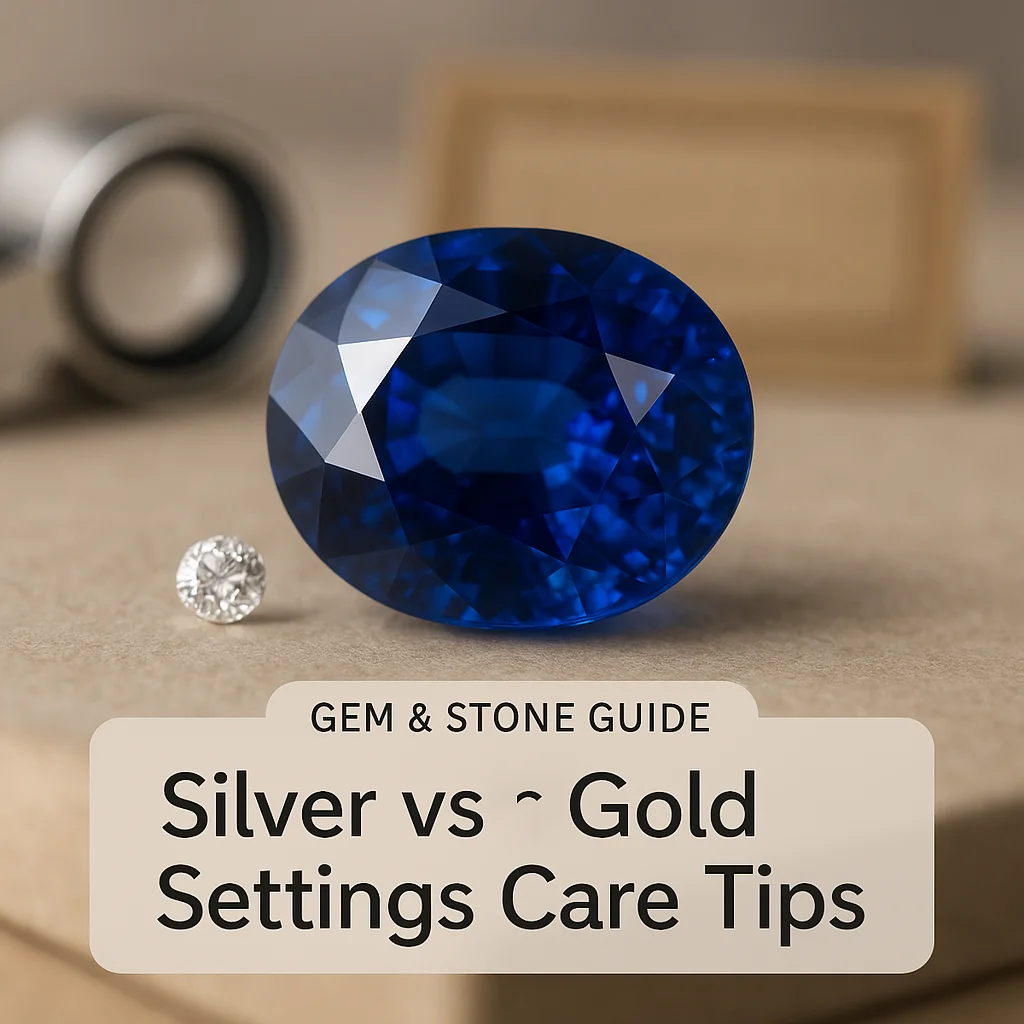
In the world of gemstones, settings play an essential role in showcasing the beauty and enhancing the durability of the stones. Both silver and gold settings have unique properties that make them suitable for different styles and types of jewelry. This article will guide you on how to care for silver and gold settings to keep them looking their best.
You'll learn about the differences in appearance, maintenance, and general care tips for silver and gold settings, along with the importance of choosing the right setting for your precious gemstones and how to keep them in pristine condition.
🌍 Where It Comes From
Silver is commonly found in nature as a byproduct of mining for other metals, such as copper, lead, and zinc. It is often extracted from ores through a series of complex processes. Silver deposits can be found in various regions around the world, including parts of North America, South America, and Australia.
Gold is typically found in its natural, metallic state or in association with quartz and other minerals. It is often mined from primary deposits in rock and also recovered from secondary deposits in streambeds, known as placer deposits. Prominent gold-producing countries include South Africa, Russia, and China.
The origin of silver and gold can influence their market value, with certain regions being renowned for the quality of their metals. For instance, gold from South Africa is often praised for its high purity.
🔬 How It Forms
Silver forms in hydrothermal veins, where mineral-rich fluids permeate the earth's crust and deposit metals as they cool. It can also form during the cooling process of igneous rocks.
Gold is often formed in a similar manner, through hydrothermal processes, but it can also be found in larger, more concentrated deposits from ancient volcanic activities. Gold’s formation involves intense heat and pressure deep within the earth's crust, making it rare and valuable.
Both metals are typically extracted from their natural matrix through mining operations and then refined and shaped into the familiar settings seen in jewelry.
🎨 Color and Look
Silver has a characteristic bright, white sheen with an almost mirror-like finish. As a softer metal, it is often alloyed with others, such as copper, to increase its strength. Sterling silver is a common alloy used in jewelry and is composed of 92.5% silver and 7.5% other metals.
Gold comes in a variety of colors, depending on its purity and alloy composition. Pure gold is a rich yellow, but when alloyed with other metals, it can appear white (white gold), pink (rose gold), or even green. The appearance of gold is often enhanced by polishing and can retain its luster indefinitely if properly cared for.
The look of both metals is influenced by their finish, with options ranging from high polish to matte or brushed finishes, each offering a unique effect.
🧪 Properties That Matter
Silver has a Mohs hardness of about 2.5 to 3, meaning it is relatively soft and prone to scratches. Its softness allows it to be shaped easily, making it a popular choice for intricate designs. However, it can tarnish over time if not properly cared for.
Gold is also relatively soft, with a Mohs hardness of around 2.5 to 3. Although pure gold is very malleable, alloying it with metals like copper, nickel, or silver increases its hardness, making it suitable for everyday wear. Gold does not tarnish, which is a significant advantage over silver in terms of maintenance.
The toughness and durability of both metals are crucial for jewelry that is subjected to daily wear, such as rings and bracelets. Gold, especially when alloyed, tends to be more resistant to scratches and deformation.
✨ Meanings, Birthstones, and Culture
In cultural traditions, both silver and gold hold significant symbolic meanings. Silver is often associated with the moon and is traditionally linked to qualities such as reflection, clarity, and purity. In many cultures, silver is used in ceremonies and gifted as a token of luck.
Gold is universally associated with wealth, prosperity, and power. Its timeless appeal is evident in its use in crowns, coins, and jewelry throughout history. Gold is considered highly auspicious in many cultures and often symbolizes success and abundance.
Neither silver nor gold is a true birthstone, but their use in jewelry makes them a popular choice for settings around birthstones like sapphires, diamonds, and emeralds, enhancing their natural beauty.
🧼 Care and Cleaning
For silver settings, regular cleaning with a soft cloth and warm, soapy water is recommended to maintain their shine. It's essential to dry silver thoroughly after washing to prevent tarnishing. Silver polishing cloths can also help restore luster.
Gold settings require less frequent cleaning, but occasional washing with mild soap and water can help remove accumulated dirt and oils. Gold should be dried and stored properly to avoid scratches.
Both metals should be kept away from harsh chemicals, including bleach and household cleaners, as these can damage their finishes. Storing jewelry in a soft-lined box can protect it from scratches and tarnish.
🛒 Buying Tips and What to Check
When purchasing jewelry with silver or gold settings, consider the purity of the metal, often measured in carats for gold (e.g., 14K, 18K) and as a percentage for silver (e.g., sterling silver is 92.5%). The higher the purity, the more valuable the metal.
Ask the seller about any treatments or finishes applied to the metal, as well as return policies and certification for gemstones. Authenticity can be confirmed through hallmark stamps and professional appraisals.
For online purchases, ensure clear photos, reputable sellers, and an easy return policy. It's beneficial to buy from jewelers who disclose all relevant information about the metal and gemstones used in the piece.
⚠️ Real vs Fake and Common Look-Alikes
Both silver and gold can be subject to imitation. Silver-plated items, for instance, have a thin layer of silver on the surface, while many vermeil and gold-plated items are coated with gold but have a core of a less expensive metal.
To distinguish between real and imitation metals, check for authenticity stamps such as "925" for sterling silver or "14K" for gold. However, the definitive identification of precious metals requires testing by professionals using acid tests or electronic testers.
Common look-alikes for silver include stainless steel and nickel, while look-alikes for gold include brass and gold-filled items. Proper testing ensures the authenticity of the metal.
❓ Common Questions and Misconceptions
Is silver a mineral or a rock? Silver is a mineral.
Is gold a birthstone? No, but it is often used in birthstone jewelry.
Will silver scratch easily? Yes, due to its softness, silver can scratch.
Can gold go in water? Yes, but prolonged exposure should be avoided to maintain quality.
Does silver tarnish in sunlight? No, but it may tarnish when exposed to air and moisture.
What treatments are common? Silver is often plated, and gold can be alloyed to improve strength.
Is lab-grown 'fake'? No, lab-grown metals have the same physical properties but are not natural.
How do I store silver and gold safely? Keep them in a cool, dry place, preferably in a soft pouch or lined box.
Do inclusions always lower value? Not always; it depends on their visibility and impact on durability.
How do I pick a good setting for jewelry? Consider the type of stone, wear frequency, and personal style.
📌 Summary
- Silver is a bright, reflective precious metal; gold is a dense, lustrous one.
- Found primarily in hydrothermal veins (silver) and placer deposits (gold).
- Both form through complex geological processes involving heat and pressure.
- Silver is softer and more prone to tarnishing; gold is more durable.
- Common treatments include plating and alloying for enhancing durability.
- Care involves gentle cleaning, avoiding chemicals, and proper storage.
- Silver is ideal for intricate designs; gold is perfect for everyday wear.
- Common look-alikes include stainless steel (for silver) and brass (for gold).
- Authenticity confirmed through hallmark stamps and professional testing.
- Buying requires checking purity marks and reputable sourcing.
- Traditionally, silver connotes purity; gold signifies wealth and power.
- Key takeaway: Proper care preserves the value and appearance of both metals.