💎 Steam Cleaner Which Gems Are Safe
🪨 What It Is
Understanding which gems are safe to clean with a steam cleaner is crucial for maintaining your precious stones. This guide explores the characteristics of various gemstones, focusing on their compositions and reactions to steam cleaning. Gemstones can be minerals, organic materials, or combinations of minerals, forming a beautiful stone often used in jewelry.
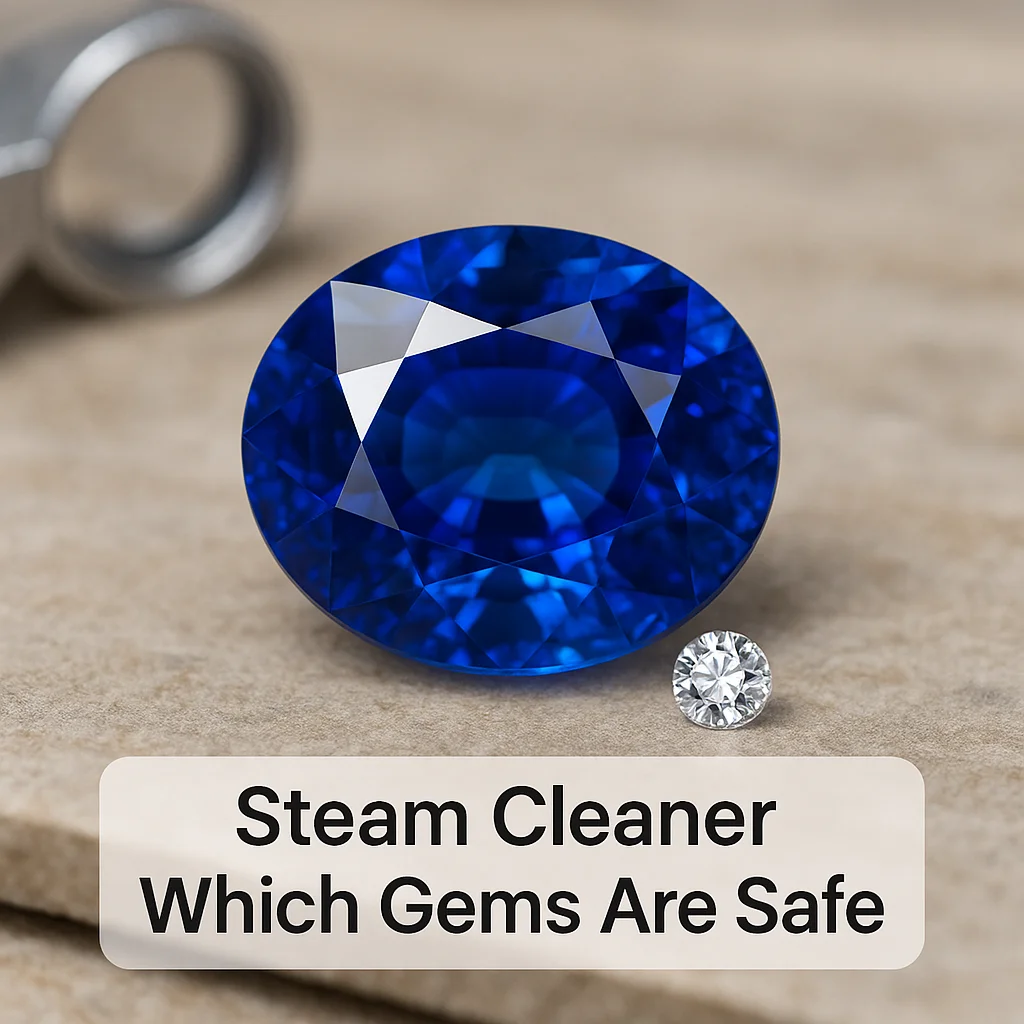
Some gemstones are popular and widely used in jewelry making, while others take on significant cultural meaning and serve as birthstones. Knowing the nature and composition of your gemstone will help in determining the safest cleaning methods.
This article will delve into the appearance, properties, and care instructions for ensuring your gems remain stunning and intact. Stay with us to understand both the scientific and traditional aspects of gemstones and their compatibility with steam cleaning.
🌍 Where It Comes From
Gemstones are found in various natural settings, including igneous, metamorphic, and sedimentary rocks. These natural environments are responsible for the formation of the different types of gemstones. The geographical origin of a gemstone can influence its color, clarity, and market reputation significantly.
For example, sapphires from Kashmir are renowned for their stunning blue hue and are highly valued in the market. Similarly, emeralds from Colombia are known for their intense green color. However, not all gemstones owe their color solely to their place of origin, as factors like trace elements also play a major role.
When considering gem purchases, the origin can often affect price due to prestige and known quality, but remember that not all gemstones of the same type from a specific region are equal in value.
🔬 How It Forms
Gemstones form through various natural processes, often involving heat, pressure, and fluids over extended periods. For instance, diamonds form deep within the Earth, where high pressure and temperatures facilitate their creation over millions of years.
The color in gemstones such as sapphires and rubies is a result of trace elements within the mineral's structure; iron and titanium give sapphires their blue color, while chromium is responsible for the rich red hue in rubies.
Gemstones can be found in different crystal habits—the structured patterns in which minerals crystallize. Common forms include euhedral (well-formed crystal faces) and nodular formations seen in minerals like agate.
🎨 Color and Look
Gemstones exhibit a diverse array of colors, patterns, and optical effects. For instance, chatoyancy, or the cat's eye effect, is seen in chrysoberyl. Some gems like opal display a play-of-color, with shifting rainbow hues resulting from tiny silica spheres within the stone.
The appearance of a gem can be significantly influenced by its cut, clarity, and the way light interacts with it. Treatments such as heat or dye are sometimes applied to enhance a gemstone's color or clarity, although transparency to the buyer about such treatments is critical for building trust.
When selecting a gemstone, consider how the cut and polish enhance its natural beauty, as well as the lighting conditions in which it will often be seen.
🧪 Properties That Matter
The Mohs hardness scale is critical for evaluating a gemstone's ability to resist scratching. Diamonds sit at the top with a rating of 10. In terms of toughness, which assesses a stone's resistance to breaking or chipping, jade is notably strong.
Cleavage and fracture describe a gem's tendency to break along specific planes or in more unpredictable ways, while luster denotes the shine seen on the surface, such as the vitreous luster of quartz.
For jewelry, the durability of the gemstone matters—a diamond is ideal for daily wear in a ring, while a softer stone like apatite might be better suited for earrings.
✨ Meanings, Birthstones, and Culture
Throughout history, different cultures have attributed various meanings and symbolism to gemstones. For example, amethyst has traditionally been associated with spiritual protection and clarity.
Many gemstones serve as traditional birthstones, like the garnet for January or the aquamarine for March. However, these associations are more cultural than scientific and do not influence the physical properties of the gem.
It's important to distinguish between cultural symbolism and scientific facts when considering the place of gemstones in modern jewelry and tradition.
🧼 Care and Cleaning
Gentle cleaning with mild soap and water is generally safe for most gemstones. However, more intensive methods like steam cleaning require caution. Harder stones such as diamonds and sapphires can withstand the heat and pressure of steam cleaning, while softer stones like turquoise and pearl should only be cleaned with gentle methods.
Avoid harsh chemicals and always use a soft cloth to prevent scratching. Some stones are porous, absorbing liquids that can alter their appearance or integrity, such as opals and emeralds.
Proper storage is crucial in preventing scratches; keep gemstones stored individually or in separate compartments and away from direct sunlight to preserve color.
🛒 Buying Tips and What to Check
When purchasing gemstones, assess the four Cs: color, clarity, cut, and carat weight, as these factors significantly impact value. The stone's origin, if known and reputable, can also influence price.
Always inquire about potential treatments and request laboratory reports for high-value pieces. Labs can confirm some characteristics of a gemstone, although not all reports disclose treatments.
For online purchases, ensure the seller has a good reputation, offers a clear return policy, and provides detailed photos and information about the stone being sold.
⚠️ Real vs Fake and Common Look-Alikes
Understanding the difference between natural, synthetic, and imitation gemstones helps in making informed purchases. Synthetic stones have the same chemical composition as natural stones but are created in labs, while imitations mimic appearance through glass or plastic.
Doublets and triplets, made by combining layers of materials, can resemble solid stones but do not possess the same value or durability.
Professional testing by a gemologist is key to accurately identifying and differentiating real gemstones from their look-alikes, ensuring you buy what is genuinely advertised.
❓ Common Questions and Misconceptions
Is it a mineral or a rock? Most gemstones are minerals, while few are organic, like pearl.
Is it a birthstone? Yes, many gemstones are linked to months and zodiac signs.
Will it scratch easily? It depends on its hardness—diamonds are very scratch-resistant.
Can it go in water? Many gems can, but some, like opals, should avoid prolonged contact.
Does color fade in sunlight? Some stones, like amethyst, may fade with extended exposure.
What treatments are common? Heat, dye, and irradiation are frequent, especially for clarity and color improvement.
Is lab-grown 'fake'? No, lab-grown stones are real and chemically identical, but not natural.
How do I store it safely? Store stones separately to prevent scratches and keep away from direct sunlight.
Do inclusions always lower value? Not always; in some cases, they can add character or uniqueness.
How do I pick a good one for jewelry? Consider durability for the intended use and clarity for beauty.
📌 Summary
- Steam cleaners can be safe for hard gemstones like diamonds.
- Typical colors vary widely depending on the gem.
- Gemstones form naturally from minerals or organically.
- Key properties include hardness and luster.
- Common treatments can affect appearance and disclosure is crucial.
- Use gentle cleaning methods for softer stones.
- Best for necklaces or earrings, considering daily use.
- Common look-alikes include glass and synthetics.
- Authenticity confirmed by professional evaluation.
- Buying checklist includes 4 Cs and origin inquiries.
- Understanding birthstone and cultural associations adds meaning.
- Always stay informed for smart and valuable gemstone purchases.