💎 Ultrasonic Cleaner Which Gems Are Safe
🪨 What It Is
Ultrasonic cleaners are devices that use high-frequency sound waves to agitate a fluid. This creates bubbles that gently cleanse surfaces, making them useful tools for cleaning jewelry. However, not all gemstones are suitable for this method due to their varying properties.
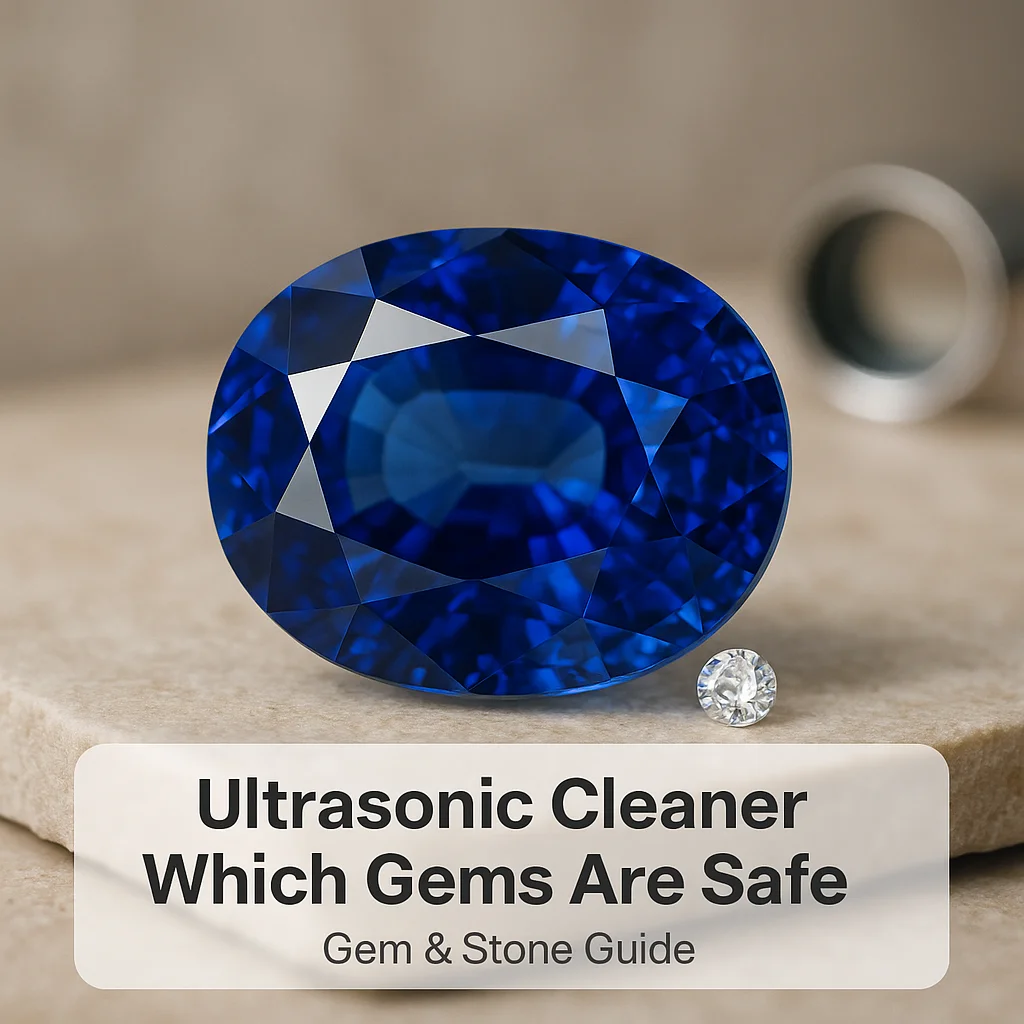
In gemology, stones are categorized by hardness, toughness, cleavage, luster, and inclusion. Understanding these terms helps in determining which gemstones can be safely exposed to ultrasonic cleaning. Here, we will explore which gems are typically considered safe for ultrasonic cleaning and which are not.
This article will guide you through the visual and physical properties of stones, aspects affecting their cleaning, as well as cultural implications and care tips for different gemstones. This knowledge will empower you to make informed decisions regarding the maintenance and care of your jewelry.
🌍 Where It Comes From
Gemstones are formed under a variety of geologic conditions. Depending on their environment of formation, they exhibit distinct characteristics and durability. Most gem materials are formed in either igneous, metamorphic, or sedimentary environments. For instance, rubies and sapphires originate from metamorphic rocks, while emeralds commonly form in hydrothermal veins.
The place of origin can greatly influence a gem's properties. Some famous sources are renowned not only for the quantity but also for the quality of gemstones they produce. For example, Colombian emeralds are revered for their rich green hue, while Burmese rubies are famous for their vibrant red color.
Understanding the origin of gems also helps in recognizing market trends and price variations. Specific locations have developed reputations that can affect a stone's market value significantly.
🔬 How It Forms
Gemstones are formed over millions of years under conditions of heat and pressure deep within the Earth's crust. This process usually involves the crystallization of minerals. For example, diamonds form under high-pressure conditions in the Earth's mantle and are brought to the surface via volcanic pipes.
Gem varieties like sapphire and ruby, though chemically similar, achieve their colors through the presence of trace elements. Chromium gives rubies their red color, while iron and titanium can result in blue sapphires.
The common forms gemstones take include crystal clusters, nodules, or geodes. Crystal habit, referring to the common external shape of individual crystal grains, plays a critical role in identifying specific gemstones.
🎨 Color and Look
Gemstones exhibit a wide array of colors and patterns. Some stones, like opals, have unique optical effects such as play-of-color, where they display various colors as the angle of observation changes. Others, like star sapphires, show asterism, a star-like pattern across their surface.
The way a gem is cut and polished significantly affects its final appearance. A well-cut gemstone will maximize brilliance and minimize visible inclusions. Lighting conditions also play a crucial role; some stones like alexandrite change color under different lighting.
Common treatments to enhance appearance include heating, dyeing, and oiling. These processes aim to improve color and clarity but should be disclosed to buyers, as they can affect a gem’s value and cleaning methods.
🧪 Properties That Matter
The Mohs hardness scale measures a gem's ability to resist scratches, essential for determining its suitability for everyday wear. Diamonds, the hardest known natural material, score a 10, making them ideal for rings, while talc scores 1 and is far more fragile.
Besides hardness, toughness or chipping resistance is important. Jade, for example, is relatively tough, meaning it doesn't chip easily, despite not having the same hardness as diamonds.
Cleavage describes how gemstones can split along specific planes, which can impact their durability. Gems with perfect cleavage, like topaz, require careful handling and protection from sharp blows.
Luster, the way a stone reflects light from its surface, and transparency also affect a gem's appearance. These aspects influence both its aesthetic appeal and its gizmos suitabilities like ultrasonic cleaning.
✨ Meanings, Birthstones, and Culture
Gemstones often hold cultural significance and are traditionally associated with certain meanings or attributes. For example, sapphire is often linked to wisdom and protection, while emerald symbolizes rebirth and love.
The tradition of birthstones assigns specific gems to each month of the year, such as aquamarine for March or ruby for July. These stones are popular in personalized jewelry gifts and hold sentimental value for many.
While these associations aren't scientifically proven, they play a significant role in modern jewelry traditions and add a personal touch to gemstone purchases.
🧼 Care and Cleaning
When considering ultrasonic cleaning, gems like diamonds, rubies, and sapphires are generally safe due to their hardness and durability. However, stones such as opals, pearls, and emeralds are often too delicate for ultrasonic methods and should be cleaned gently with soap and water.
It’s crucial to avoid harsh chemicals and long soaking times, especially for porous or treated stones. Using a soft cloth and storing jewelry separately can prevent scratches and damage.
Always verify if a stone has received treatment that may not withstand ultrasonic cleaning, such as fracture-filled gemstones, which can be damaged easily.
🛒 Buying Tips and What to Check
The four Cs—color, clarity, cut, and carat weight—heavily influence a gemstone's quality and price. A vivid color, minimal inclusions, expert cut, and substantial size generally elevate value.
Always inquire about treatments and consider requesting a gemological report for valuable purchases. Understanding the statements within these reports helps gauge a stone's authenticity but does not replace professional verification.
Buying online requires caution. Verify photos, review seller reputation, and check return policies meticulously. Ensure sellers disclose any treatments before purchase.
⚠️ Real vs Fake and Common Look-Alikes
Distinguishing between natural, synthetic, and imitation gemstones is key to informed purchasing. Natural gems form naturally, while synthetics have the same chemical composition but are lab-created.
Imitations, such as glass or plastic replicas, aim to mimic the look but not the quality. Doublets and triplets are assembled stones that combine natural materials with non-gem components.
Common look-alikes like cubic zirconia for diamonds require skilled gemological analysis to identify correctly. Professional testing ensures authenticity without risking home methods.
❓ Common Questions and Misconceptions
Is it a mineral or a rock? Gems are typically minerals, but some, like opal or pearl, are organic gems formed from biological processes.
Is it a birthstone? Many gems are linked to birth months, adding personal significance. For instance, sapphire is September's birthstone.
Will it scratch easily? This depends on hardness; diamonds are highly scratch-resistant, unlike softer stones like fluorite.
Can it go in water? Most can endure water briefly, but avoid long submersion especially for porous stones like turquoise.
Does color fade in sunlight? Some stones, like amethyst, can fade over time with prolonged exposure to direct sunlight.
What treatments are common? Treatments to enhance color and clarity, such as heat and oiling, are widespread yet should always be disclosed.
Is lab-grown "fake"? Lab-grown gems share the same properties as natural ones, while imitations do not.
How do I store it safely? Store gems separately to minimize scratches and away from direct sunlight to preserve colors.
Do inclusions always lower value? Inclusions reduce value but also can uniquely identify certain gems under magnification.
How do I pick a good one for jewelry? Consider the occasion, your lifestyle, and the gem's properties when choosing jewelry.
📌 Summary
- Ultrasonic cleaning uses sound waves for gem cleaning.
- Commonly safe gems include diamond, ruby, and sapphire.
- Formed through heat, pressure, and geological conditions.
- Hardness and toughness influence wearability.
- Treatments like heat and oiling are common.
- Gentle soap and water are safer for soft gems.
- Best jewelry uses depend on stone properties.
- Common look-alikes include cubic zirconia for diamonds.
- Lab reports validate authenticity, but professional testing is recommended.
- Check color, clarity, cut, and carat when buying.
- Birthstones hold traditional significance, not scientific.
- Proper care ensures longevity of your gems.