💎 When to Repolish a Gemstone
🪨 What It Is
Gemstones are natural minerals, rocks, or organic materials that are cut and polished for use in jewelry and other decorative items. They are valued for their beauty, rarity, and durability. Popular gemstones include diamonds, rubies, sapphires, and emeralds. Each gemstone type has unique characteristics, including color, hardness, and luster, which contribute to its appeal and value.
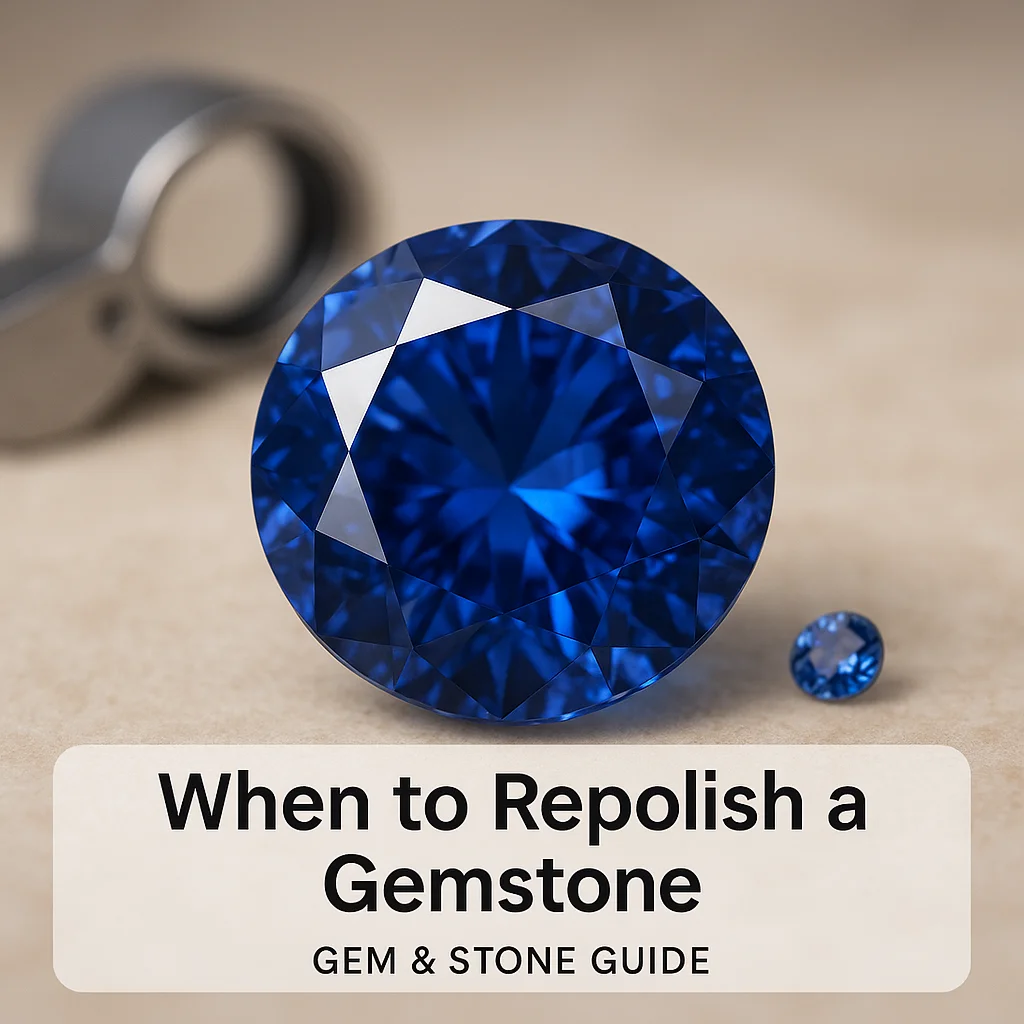
In the world of gemstones, repolishing refers to the process of reapplying a smooth, glossy finish to a stone. Over time, gemstones can become scratched or dulled, diminishing their brilliance and appeal. Knowing when to repolish a gemstone is important for maintaining its beauty and value.
This article will explore the key aspects of gemstones, including their appearance, properties, origin, value, and care. It aims to provide beginners with useful information on gemstone maintenance, including when and how to repolish a stone properly.
🌍 Where It Comes From
Gemstones can be found in various geological settings, including igneous, metamorphic, and sedimentary environments. Igneous rocks, formed from solidified magma or lava, often contain gemstones such as diamonds and garnets. Metamorphic rocks, altered by heat and pressure, are sources of gemstones like sapphires and schists. Sedimentary rocks, formed by sediment compaction, host gemstones such as opals and zircons.
Some gemstones, like amber and pearl, originate in marine or organic environments. Amber is fossilized tree resin, while pearls form in mollusks through a natural process of layering nacre around an irritant. The origin of a gemstone can influence its color, clarity, and market reputation. For example, the vibrant green hues of Colombian emeralds are highly prized in the market.
Globally, gemstones are mined in numerous locations, with significant production occurring in countries such as Brazil, Madagascar, and Australia. Each region can produce distinctive gemstone varieties based on local geological conditions, contributing to the stone's unique character and value.
🔬 How It Forms
The formation of gemstones typically involves several geological processes over extended periods. Heat and pressure play crucial roles, especially in the creation of gems like diamonds, which form deep within the Earth's mantle. In contrast, opals and turquoise result from sedimentary processes involving mineral-bearing water percolating through rock.
Gemstone color can result from trace elements or defects within the mineral structure. For example, sapphires and rubies are both varieties of corundum, with trace amounts of iron and titanium creating the blue of sapphires, and chromium producing the red of rubies. These variations in trace elements can lead to a wide range of gemstone colors within a single mineral family.
When it comes to crystal habit or forms, gemstones can appear as well-formed single crystals, nodules, or even geodes, depending on the conditions present during their formation. Knowledge of these forms is important for understanding the characteristic features of different gemstones.
🎨 Color and Look
The color and appearance of a gemstone are some of its most distinguishing features. Typical colors range from the vivid blues of sapphires to the deep greens of emeralds and the striking reds of rubies. Some gemstones exhibit unique optical effects, such as the asterism seen in star sapphires or the play-of-color typical of opals.
Various factors affect a gemstone's appearance. The cut and polish influence how light interacts with the stone, enhancing its luster and color. Clarity, or the presence of inclusions, can affect transparency and brilliance. Lighting conditions also play a role, with some stones, like alexandrite, changing color under different lighting.
Gemstones may undergo treatments to enhance color or clarity, such as heat treatment for sapphires and rubies or oiling for emeralds. These treatments should be ethically disclosed to buyers, as they can impact the stone's overall value and care requirements.
🧪 Properties That Matter
Several properties impact the practical use and care of gemstones. Mohs hardness, a measure of scratch resistance, is crucial for daily wear items like rings. Diamonds, with a hardness of 10, are well-suited for frequent use, while softer stones like opals may be better for earrings or pendants.
Toughness, or resistance to chipping, is another important property. Gemstones with perfect cleavage, such as diamonds or topaz, can be more susceptible to breakage if struck. Luster, the quality of light reflection, ranges from metallic to glassy, impacting the stone's visual appeal.
Understanding these properties helps when considering how to wear and care for different gemstones. Stones with complex cleavage or lower toughness require extra caution and may be more suited to occasional wear.
✨ Meanings, Birthstones, and Culture
Throughout history, gemstones have held cultural significance as sources of power, status, and beauty. For example, rubies, traditionally associated with passion and protection, are the birthstone for July. Similarly, emeralds symbolize rebirth and love and are associated with May.
These associations, while part of cultural tradition, are not scientifically proven. They reflect human history, folklore, and belief systems. Modern jewelry traditions often incorporate these meanings, offering pieces based on birthstone or symbolic significance.
It's essential to distinguish between the scientific characteristics of gemstones and their cultural symbolism. While gemology provides factual information about a stone's properties, cultural traditions contribute to its symbolic value.
🧼 Care and Cleaning
Proper care and cleaning are vital for maintaining the beauty of gemstones. The safest method involves using mild soap and water with a soft cloth. Avoid harsh chemicals or ultrasonic cleaners, especially for porous or treated stones like pearls and emeralds.
Handling gemstones with care is crucial. Avoid exposing them to sudden temperature changes or prolonged soaking, which can damage certain stones. Storage is also important; keeping gemstones in soft cloth pouches can prevent scratching.
Understanding the specific care requirements for each type of gemstone ensures its longevity and continued brilliance. Being mindful of these guidelines protects the investment and sentimental value of gemstone jewelry.
🛒 Buying Tips and What to Check
When purchasing gemstones, consider factors like color, clarity, cut, and carat. These elements define the stone's quality and affect its price. Origin can also influence the value, as certain regions are known for producing exceptional colors or rare varieties.
Always inquire about treatments, as treated stones may require particular care or have different values. Requesting a lab report can provide assurance of authenticity, but it's essential to understand that reports may not disclose all treatments or enhancements.
For online purchases, verify the seller's reputation and return policy. Ensure that photos accurately represent the gemstone and clarity. A beginner checklist includes checking for clear disclosure, reliable comparison options, and generous return policies.
⚠️ Real vs Fake and Common Look-Alikes
Distinguishing between real and fake gemstones can be challenging. Natural gemstones are formed in the Earth, while synthetic stones are lab-grown but share the same chemical composition. Imitations, such as glass or plastic, only mimic the appearance without matching the composition.
Assembled stones, like doublets and triplets, combine multiple layers to enhance appearance. Common look-alikes, such as cubic zirconia for diamonds, often cause confusion. Accurate identification usually requires professional examination and testing, beyond home methods.
Understanding these differences helps buyers make informed decisions and avoid unintentionally purchasing synthetic or imitation stones when seeking natural gems.
❓ Common Questions and Misconceptions
Is it a mineral or a rock? Gemstones can be either; diamonds and sapphires are minerals, while lapis lazuli is a rock.
Is it a birthstone? Many gemstones have birthstone associations, such as garnet for January and amethyst for February.
Will it scratch easily? Gemstone hardness varies; diamonds resist scratching well, while pearls are more delicate.
Can it go in water? Most gemstones can be cleaned with water, but long soaking can damage stones like turquoise.
Does color fade in sunlight? Some stones, like amethyst, may fade over time if exposed to direct sunlight.
What treatments are common? Heat treatment for color enhancement is common, especially in sapphires and rubies.
Is lab-grown "fake"? Lab-grown gemstones are not fake; they are real minerals created with identical properties to natural stones.
How do I store it safely? Store gemstones separately in soft pouches to prevent scratching and protect from light.
Do inclusions always lower value? Not necessarily; while they can affect clarity, some inclusions, like those in emeralds, are accepted.
How do I pick a good one for jewelry? Choose based on hardness for wearability, personal preference for color, and informed comparison of options.
📌 Summary
- Gemstones are natural minerals, rocks, or organic materials set in jewelry.
- They appear in various colors, with specific cuts enhancing their look.
- Formed through geological processes involving heat and pressure.
- Mohs hardness affects wearability; diamonds rank highest.
- Commonly treated for improved color and clarity; disclosure is key.
- Care involves gentle cleaning; avoid harsh chemicals and prolonged soaking.
- Suitable for different jewelry uses based on stone properties.
- Confusion with look-alikes possible; professional testing advised.
- Authenticity confirmed through lab reports and expert appraisal.
- Buyers should check origin, treatments, and return policies.
- Emphasized in cultural traditions, often as birthstones.
- Repolishing helps maintain appearance and value of gemstone pieces.