💎 Crystal Bracelets: Sizing, Stretch Cords, and Breakage Prevention
🧭 The 60-Second Take
Imagine scrolling through endless online listings of sparkling crystal bracelets. Each piece looks immaculate, and the descriptions are filled with buzzwords: genuine, authentic, certified. Yet, how can you be sure what you're seeing is the real thing?
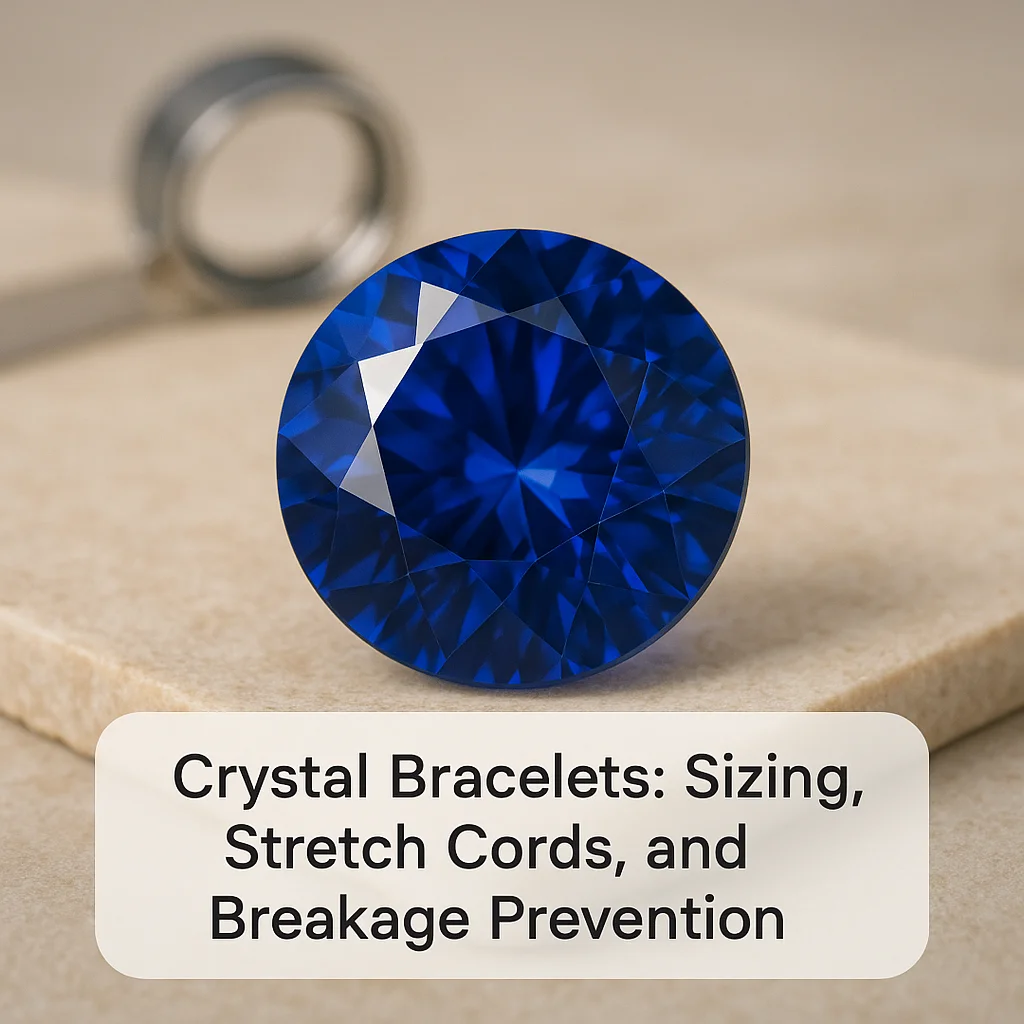
Often, the lighting in photos makes every bracelet glisten with a mesmerizing allure. The accompanying certificates may appear legit, but beware—appearances can be deceiving. Here's how to navigate this glittering maze without falling for tricks.
- Check the return policy before clicking 'buy'.
- Request additional photos from the seller, if possible.
- Compare prices to get a sense of market value.
- Read reviews focusing on quality, not just delivery.
- Inquire about the materials and stone treatment process.
- Understand the warranty or guarantee terms.
- Consult a gemologist for high-value items.
- Be wary of listings that seem too perfect or polished.
🧪 What Actually Makes It “Real”
The concept of "real" in gemstones can be surprisingly complex. Natural gems are mined from the earth, while lab-grown stones have identical chemical compositions but are created in controlled environments. Imitations mimic the look but not the properties, often using glass or plastic.
Assembled stones, like doublets or triplets, combine layers to enhance appearance. A photo might not reveal these nuances, and paperwork can be unreliable unless from a trusted lab. Price alone isn't a tell-all; it depends on rarity, quality, and treatment.
Understanding these distinctions helps in making informed decisions. The crystal bracelet that seems a bargain might be worth exactly what you pay for it, or it could be a sophisticated replica.
🔍 My Buyer Checklist (Step by Step)
- If buying online, verify seller reviews first. If not satisfactory, move on to another seller.
- Check the return policy details. If it's restrictive, consider other options.
- Ask for close-up photos under different lighting. If denied, that's a red flag.
- Identify transparent pricing. If it seems artificially low, question why.
- Inquire about the materials used. If unclear, demand detailed explanations.
- Check if the bracelet is made of stretch cords. If yes, confirm its durability.
- Consider the size. If unsure, measure your wrist and add a little extra for comfort.
- Research the seller's warranty or guarantee. If non-existent, rethink purchase.
- Seek a certificate from a reputable lab. If high-value, it's worth it.
- Evaluate craftsman reliability by examining join marks or seams.
- If above steps are satisfactory, then proceed with caution.
- If any issues arise, do not hesitate to use a gemologist’s expertise.
Use this checklist judiciously to sift facts from fictions. Don't rush the process; careful consideration often leads to better purchases.
⚠️ Mistakes People Make (And the Fix)
- Trusting photos without asking for more: Always request additional angles.
- Ignoring the return policy: Read it thoroughly before making a purchase.
- Getting swayed by too-perfect stones: Natural imperfections are common.
- Assuming price equals quality: Investigate what influences the cost.
- Overlooking stretch cord quality: Check for reputable reviews on durability.
- Misjudging bracelet size: Always measure your wrist for an accurate fit.
- Neglecting light conditions in photos: White balance can skew real colors.
- Assuming all certificates are credible: Verify the lab’s reputation first.
- Overemphasizing brand prestige: Focus on verified craftsmanship instead.
- Discounting assembly techniques: Look for any signs of glued layers.
🎨 Look & Red Flags That Matter
Lighting can dramatically alter how a crystal bracelet appears. Direct sunlight and certain indoor lighting techniques can enhance brilliance. However, this may not reflect everyday wear. It's essential to understand how cut and polish influence light reflection.
Surface coatings or dyes can enhance color, but they can also wear off over time. Inclusions, or natural internal features, are normal and can add uniqueness without lowering value.
Common treatments like heat treatment can affect color and durability. Be cautious with descriptions like "enhanced", as it can mean various processes. Always verify what treatment, if any, was applied to the stones in your bracelet.
🧼 Care & Storage (Safe Defaults)
- Use mild soap and water for cleaning; avoid abrasives.
- Dry with a soft, lint-free cloth after cleaning.
- Store in a fabric-lined box to prevent scratches.
- Avoid exposing bracelets to harsh chemicals, like bleach.
- Remove before engaging in manual work to prevent damage.
- Do not stretch cords excessively; they can weaken over time.
- Avoid extreme temperature changes, which can stress the stones.
- Do not wear multiple bracelets that rub against each other.
- Keep away from direct sunlight for prolonged periods.
- Avoid ultrasonic cleaners if the stone or treatment is unknown.
- Check clasp or hook mechanisms regularly for wear.
- For porous stones, special care is required; consult a professional when needed.
- Avoid tight storage spaces where bracelets might get tangled.
🧾 What Certificates Can (and Can’t) Prove
Certificates from reputable labs can confirm a crystal's identity, origin, and treatment details. They do not guarantee quality but establish authenticity. Be wary of sellers who tout certificates yet can't provide specifics about the certifying body.
A lab report is most valuable when purchasing high-end bracelets where an investment is significant. It can offer peace of mind and ensure transparency in your buy. However, remember that certificates can be misinterpreted by those without proper gemological knowledge.
In instances where appearance matters more than specific details, certificates may not be essential. However, if the bracelet's value is claimed to be high, independent verification is advisable. Do your due diligence and consult when necessary.
❓ Quick Questions Buyers Ask
Q: How can I measure my wrist accurately for a bracelet?
A: Use a tape measure, wrapping it comfortably around your wrist. Add half an inch for movement.
Q: What if the stretch cord breaks easily?
A: Evaluate the cord's quality and replace with premium options if needed.
Q: How do I know if a crystal is imitation?
A: Impressions from photos can mislead; look for weight and feel characteristics.
Q: How should I store my crystal bracelets?
A: Store them individually in soft pouches to prevent scratches or tangling.
Q: Are all enhancements bad for crystals?
A: Not necessarily; some enhance durability. Always understand what's done.
Q: Can I clean all crystal bracelets the same way?
A: Standard care is mild soap and water, but check for specific care with treated stones.
Q: Do specialty bracelets retain value?
A: If genuine and well-cared-for, they often do, but market demand can vary.
Q: Is a certificate necessary for all crystal bracelets?
A: Not always; it's most crucial for high-value pieces or when authenticity is in question.
📌 If You Only Remember 5 Things
- Verify the reputation of sellers rigorously.
- Understand that lighting affects gemstone appearance.
- Certifications are most valuable for high-end pieces.
- Return policies are crucial during online purchases.
- Don’t assume price is the sole indicator of quality.
- Quality stretch cords enhance bracelet longevity.
- Consult professionals for high-value or ambiguous purchases.