💎 Black Onyx
🪨 What It Is
Black Onyx is a stunning variety of chalcedony, which itself is a type of quartz. Known for its deep black color and elegant appearance, Black Onyx is a popular choice for jewelry, including rings, necklaces, and bracelets. Although not a traditional birthstone, it is valued for its aesthetic appeal.
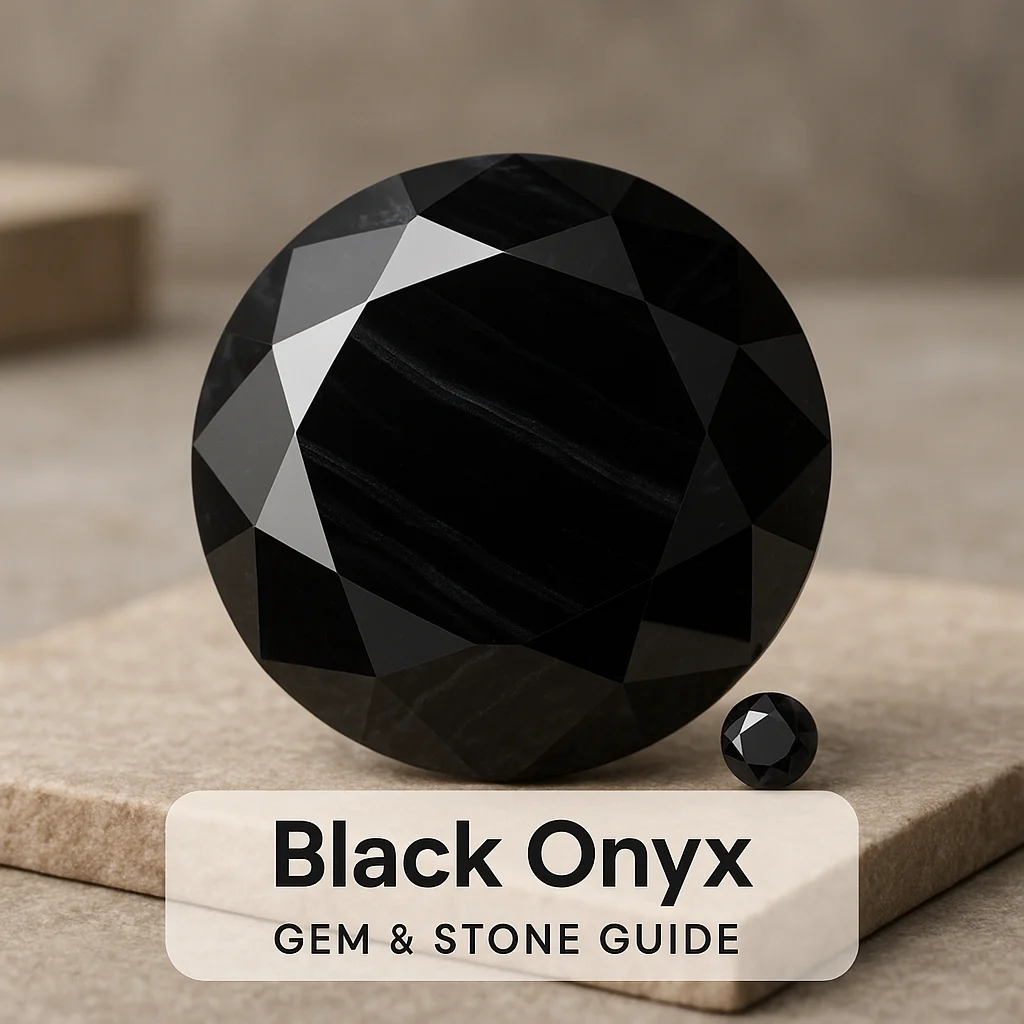
This gemstone is characterized by its smooth, glossy surface, which makes it an attractive addition to any collection. In this article, we will explore what makes Black Onyx unique, including its geological origins, physical properties, and cultural significance. We will also provide practical advice on how to care for Black Onyx jewelry and tips for buying authentic pieces.
Readers will learn about the natural formation of Black Onyx, its common look-alikes, and how to distinguish quality pieces in the market. With this knowledge, you will be better equipped to understand and appreciate this captivating gemstone.
🌍 Where It Comes From
Black Onyx is found in a variety of geological environments, typically forming in sedimentary or volcanic regions where silica-rich waters have created deposits. These deposits slowly crystallize over time to form the durable, beautiful stones we know.
This gemstone is produced in several parts of the world, with notable sources including regions in Africa and South America. The origin of Black Onyx can affect its market reputation and desirability, as different regions may produce stones with varying clarity and color purity.
The geological conditions and mineralogical composition of each location contribute to the subtle differences in Black Onyx from various regions. Collectors and enthusiasts may seek out stones from particular areas, making origin an important aspect to consider when purchasing Black Onyx.
🔬 How It Forms
Black Onyx formation begins with the deposition of silica in layers within the earth's crust. Over time, heat and pressure help to solidify and crystallize these layers, forming the chalcedony that becomes Black Onyx. This process can take millions of years.
The deep black coloration of onyx is typically a result of carbon or iron inclusions. These trace elements or impurities are present during the stone's formation, giving Black Onyx its characteristic dark hue.
Black Onyx often forms in nodules, which are irregularly shaped masses, or as layered formations within host rocks. These natural growth patterns can sometimes be seen in sliced or polished gem pieces, adding to their beauty and value.
🎨 Color and Look
Black Onyx is renowned for its rich, uniform black color, though it may also contain white banding or streaks in some cases. These bands can add visual interest and are sometimes exploited in artistic carvings or jewelry design.
The stone's appearance can be significantly influenced by how it is cut and polished. A high-quality polish enhances its luster, resulting in a smooth, glossy finish that reflects light beautifully.
Treatments such as dyeing are sometimes used to intensify the black color of onyx or to create a more uniform appearance. While these treatments are common, it's important to disclose them during sales to ensure transparency.
🧪 Properties That Matter
When considering Black Onyx for jewelry, several properties are crucial. Its Mohs hardness, rated at 6.5 to 7, makes it relatively scratch-resistant, suitable for moderate daily wear in pieces like pendants and earrings.
Black Onyx does not possess perfect cleavage, meaning it is less prone to chipping compared to some other gemstones. This toughness contributes to its resilience in various types of jewelry settings.
The luster of Black Onyx is typically vitreous, or glass-like, which can be enhanced through careful cutting and polishing. However, it is opaque, lacking transparency, which is part of its unique charm.
✨ Meanings, Birthstones, and Culture
Traditionally, Black Onyx has been associated with protection and strength, although these beliefs are rooted in folklore and cultural symbolism rather than scientific evidence. This makes Black Onyx a favorite for personal jewelry intended to symbolize empowerment.
While Black Onyx is not a traditional birthstone, it is often used in contemporary jewelry as a versatile and bold choice for many occasions. Its understated elegance allows it to be worn both casually and for formal events.
In various cultures, Black Onyx has been used for ornamental and decorative purposes, creating a timeless appeal that endures in today's fashion trends.
🧼 Care and Cleaning
Caring for Black Onyx involves gentle cleaning practices to maintain its appearance. Routine cleaning with mild soap and water, using a soft cloth, is generally recommended to avoid scratching the surface.
Avoid exposing Black Onyx to harsh chemicals or prolonged heat, as these can potentially damage its luster or color. Instead, opt for gentle cleaning solutions and protect the stone from sudden temperature changes.
When not in use, Black Onyx jewelry should be stored separately from harder gemstones to prevent scratches. Keeping pieces in a soft-lined jewelry case or pouch is a good practice.
🛒 Buying Tips and What to Check
When shopping for Black Onyx, consider factors such as color, clarity, and size. The most valuable stones typically exhibit a deep black color and a well-polished surface.
It is advisable to ask sellers about any treatments the stone has undergone, as this information can impact both value and care requirements. For high-value purchases, consider seeking a gemological report that can verify attributes.
When buying online, scrutinize photos closely, check the seller's return policy, and ensure that all relevant disclosures about the stone's treatment and origin are provided. A trustworthy seller should have a good reputation and clear policies.
⚠️ Real vs Fake and Common Look-Alikes
It's important to distinguish between natural Black Onyx, synthetic versions, and imitation products. Synthetic Black Onyx is lab-grown but has the same chemical and physical properties as natural stone.
Imitation Black Onyx, on the other hand, may be crafted from glass, plastic, or composite materials, which can look similar but lack the durability and authenticity of real onyx.
Common look-alikes include black jaspers and dyed agates. To ensure authenticity, professional testing by a qualified gemologist is recommended, as home tests can be inaccurate and risky.
❓ Common Questions and Misconceptions
Is it a mineral or a rock? Black Onyx is a mineral variety of chalcedony, which is in turn a type of quartz.
Is it a birthstone? Black Onyx is not a traditional birthstone but is popular in modern jewelry.
Will it scratch easily? With a Mohs hardness of 6.5 to 7, it is fairly scratch-resistant but should still be handled with care.
Can it go in water? Yes, but avoid prolonged soaking and dry it thoroughly to maintain its luster.
Does color fade in sunlight? Black Onyx is generally stable, but excessive UV exposure should be avoided to prevent potential color changes.
What treatments are common? Dyeing is a common treatment to enhance its black color.
Is lab-grown 'fake'? Lab-grown onyx is not fake; it has the same properties as natural onyx but is not naturally formed.
How do I store it safely? Store separately in a soft pouch to prevent scratches from contact with harder stones.
Do inclusions always lower value? Not always, as minor inclusions are common and accepted, but they can affect appearance and structural integrity.
How do I pick a good one for jewelry? Look for a deep, even color and a well-polished surface for the best visual appeal.
📌 Summary
- Black Onyx is a variety of chalcedony, popular for jewelry.
- It is characterized by its deep black color, sometimes with white bands.
- Forms through silica deposition and crystallization.
- Mohs hardness of 6.5 to 7 makes it moderately resistant to scratches.
- Commonly dyed to enhance color intensity.
- Gentle cleaning with soap and water is recommended.
- Ideal for pendants and occasional wear jewelry.
- Look-alikes include black jasper and dyed agate.
- Authenticity confirmed by professional gemological testing.
- Check color, clarity, treatments when buying.
- Associated with protection in various cultures.
- Remember, always verify authenticity before purchase.