💎 Blue Sapphire
🪨 What It Is
The blue sapphire is a precious gemstone that belongs to the corundum mineral family, same as ruby. Known for its captivating blue hues, sapphire has long been cherished by jewelers and gem enthusiasts around the world. It is a traditional birthstone for the month of September, making it a popular choice for jewelry and gifts.
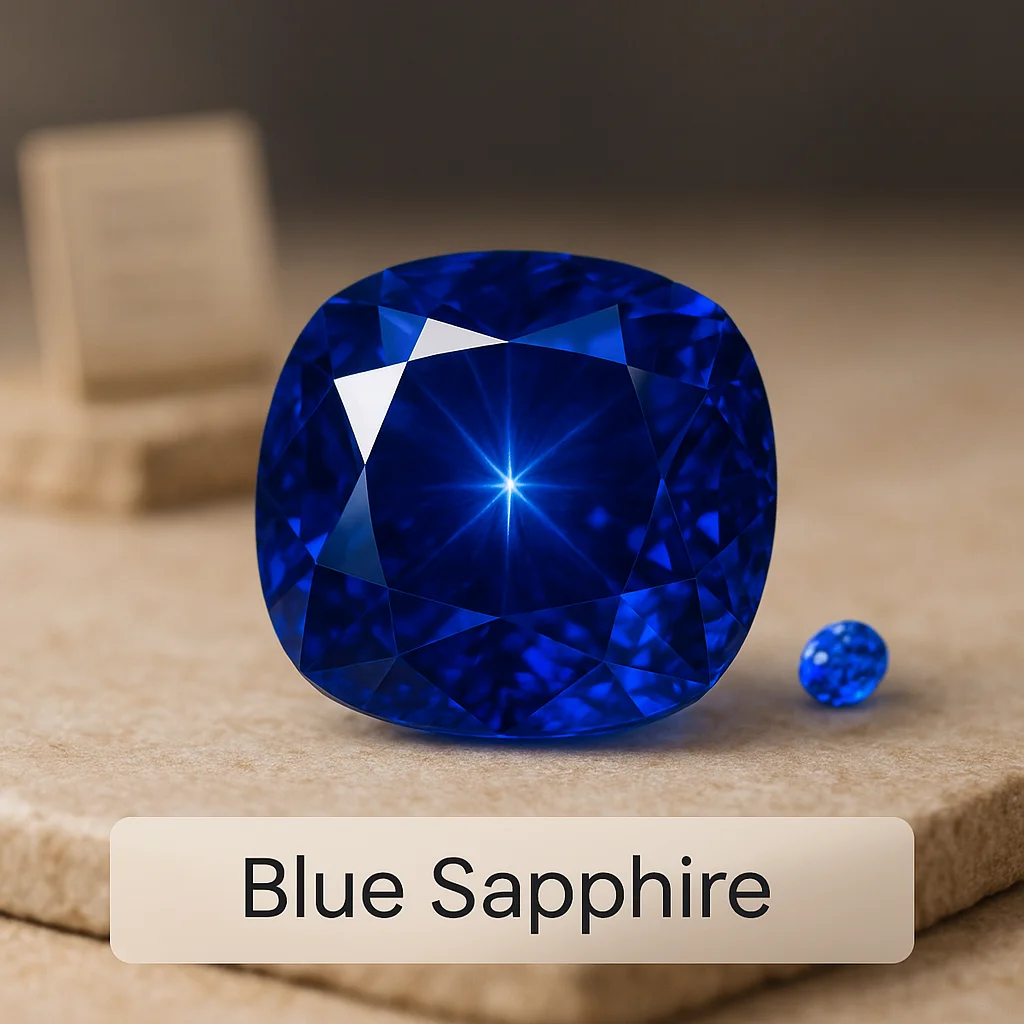
This article will introduce you to the blue sapphire, covering its appearance, properties, origins, value, care, and buying tips. By the end of this guide, you'll have a better understanding of what makes this gemstone so special and how it might fit into your collection or personal adornment.
Blue sapphires are admired for their striking color and exceptional durability. They are often associated with royalty and have a deep cultural significance in many societies. Whether you're drawn to its aesthetic beauty or its historical importance, the blue sapphire has something to offer to every beginner gemstone enthusiast.
🌍 Where It Comes From
Blue sapphires are primarily found in metamorphic and igneous rock formations. These settings create the necessary conditions for corundum crystals to form. Notably, the geological environments vary, and this influences the crystals' quality and color intensity.
Significant sources of blue sapphires include regions in Asia and parts of Africa. Sri Lanka is renowned for producing some of the world's most beautiful and vividly colored sapphires. Additionally, countries like Myanmar and Madagascar are known for their high-quality stones.
The origin of a sapphire can greatly impact its market value. Stones from certain areas, such as the Kashmir region, are highly prized due to their rarity and superior quality. While origin does not inherently determine the gem's beauty or durability, it is an important factor for collectors and investors.
🔬 How It Forms
Blue sapphires are formed under high pressure and temperature conditions within the earth's crust. The process involves the gradual crystallization of aluminum oxide, with trace elements such as iron and titanium imparting the blue color. This creation can take millions of years, resulting in the magnificent gems we find today.
The crystal habit of sapphires is typically a hexagonal bipyramid, which can make them ideal for cutting into various gem shapes. Although primarily recognized for their blue color, sapphires can also contain color-zoning or display secondary hues, adding to their unique appeal.
Understanding the formation of sapphires helps gemologists assess the potential characteristics and quality of the stones. The conditions under which they form determine aspects like clarity, size, and intensity of color.
🎨 Color and Look
Blue sapphires are most cherished for their rich range of blue colors, from light to deep royal blue. The exact shade of blue can vary, with some stones displaying hints of purple or green, depending on their origin and the trace elements present.
Cutting and polishing significantly affect a sapphire's overall appearance. A well-cut sapphire can enhance its color and brilliance, while poor cutting might diminish these characteristics. Clarity might not be as crucial as color, but fewer inclusions can increase a stone's value.
Many sapphires undergo heat treatment to enhance their color and clarity. This is a standard and accepted practice in the gem trade, and stones that have been treated must be disclosed as such. While this treatment improves appearance, it does not affect the stone's durability or the validity of its status as a sapphire.
🧪 Properties That Matter
Sapphires score a 9 on the Mohs hardness scale, making them one of the hardest gemstones available. This excellent scratch resistance means they are suitable for daily wear, particularly in rings.
The toughness of blue sapphire is good, which means it is less prone to chipping compared to gems with perfect cleavage planes. However, certain stresses can lead to fractures, so care is still needed.
Blue sapphires have a vitreous luster, meaning they can have a shiny, glass-like appearance. Depending on their quality and cut, they can range from transparent to translucent, affecting both value and visual appeal.
✨ Meanings, Birthstones, and Culture
Traditionally associated with wisdom, nobility, and divine favor, blue sapphires hold a significant place in many cultural traditions. They are often linked with protection and integrity, making them a popular choice for engagement rings and symbolic jewelry.
As the birthstone for September, blue sapphires are connected with the zodiac sign Virgo. Birthstone jewelry featuring sapphires is believed to bring good luck and favorable energy to those born in this month.
It's important to separate these symbolic meanings from scientific fact; while cultural traditions are rich and meaningful, they do not imply any guaranteed effects or properties.
🧼 Care and Cleaning
Blue sapphires are generally easy to care for due to their hardness and toughness. Cleaning with warm, soapy water and a soft brush is usually sufficient for maintaining their brilliance. Avoiding harsh chemicals can prevent damage to any treated facets of the stone.
It is advisable to store sapphires separately from other gemstones to prevent scratching. A soft pouch or lined jewelry box works well for this purpose.
While sapphires are quite durable, prolonged exposure to extreme heat or rapid temperature changes can cause damage. Therefore, it is best to avoid harsh conditions whenever possible.
🛒 Buying Tips and What to Check
When purchasing a blue sapphire, color is a primary driver of value, with deeper, vivid blues generally being more prized. However, some buyers prefer lighter tones, which can also be beautiful.
Clarity, carat size, cut, and origin all impact pricing. A well-cut sapphire with few inclusions is typically more valuable. Knowing whether a stone has undergone treatment is also essential, and legitimate sellers should willingly provide this information.
Requesting a lab report can provide verification of a sapphire's authenticity and any treatments it may have undergone. This is especially important for high-value stones.
⚠️ Real vs Fake and Common Look-Alikes
Natural sapphires are those formed naturally without human intervention. Synthetic sapphires are lab-created and share the same chemical and physical properties, while imitation sapphires are made from other materials like glass.
Doublets and triplets are assembled stones designed to look like solid gems, where a layer of genuine sapphire might sit atop a different material.
Distinguishing between natural, synthetic, and imitation sapphires requires professional testing equipment and should not be attempted at home without proper knowledge and experience.
❓ Common Questions and Misconceptions
Is it a mineral or a rock? Blue sapphire is a mineral, specifically a variety of corundum.
Is it a birthstone? Yes, blue sapphire is the birthstone for September.
Will it scratch easily? No, with a Mohs hardness of 9, it is highly scratch resistant.
Can it go in water? Yes, but prolonged soaking is not recommended for treated stones.
Does color fade in sunlight? Sapphires are generally stable in sunlight, but prolonged exposure should be avoided for safety.
What treatments are common? Heat treatment is common to enhance color and clarity.
Is lab-grown 'fake'? No, lab-grown sapphires have the same properties as natural ones but are not mined.
How do I store it safely? Store separately in a soft pouch to avoid scratches.
Do inclusions always lower value? Not always; some inclusions are accepted, but fewer inclusions generally mean higher value.
How do I pick a good one for jewelry? Look for a well-balanced color, good clarity, and a reputable seller.
📌 Summary
- Blue sapphire is a mineral and a gem variety of corundum.
- It exhibits colors ranging from light to dark blue.
- Forms in high-pressure, high-temperature geological settings.
- Boasts excellent hardness, suitable for daily-wear jewelry.
- Commonly heat-treated for enhanced color and clarity.
- Clean with mild soap and warm water; store carefully.
- Ideal for rings, pendants, and earrings due to durability.
- Common look-alikes include synthetic sapphires and blue spinel.
- Authenticity checked with professional gemological reports.
- Buying checklist includes color, clarity, treatment disclosure, and seller reputation.
- A traditional birthstone for September, symbolizing wisdom and nobility.
- Remember: quality and origin play important roles in sapphire valuation.