💎 Purple Spinel
🪨 What It Is
Purple spinel is a captivating gemstone that is part of the spinel mineral group. As a mineral, spinel is known for its vibrant colors and is composed primarily of magnesium aluminum oxide. While spinel can occur in a range of colors, purple spinel is particularly admired for its rich and deep hues. It is a popular choice in jewelry due to its visual appeal and durability.
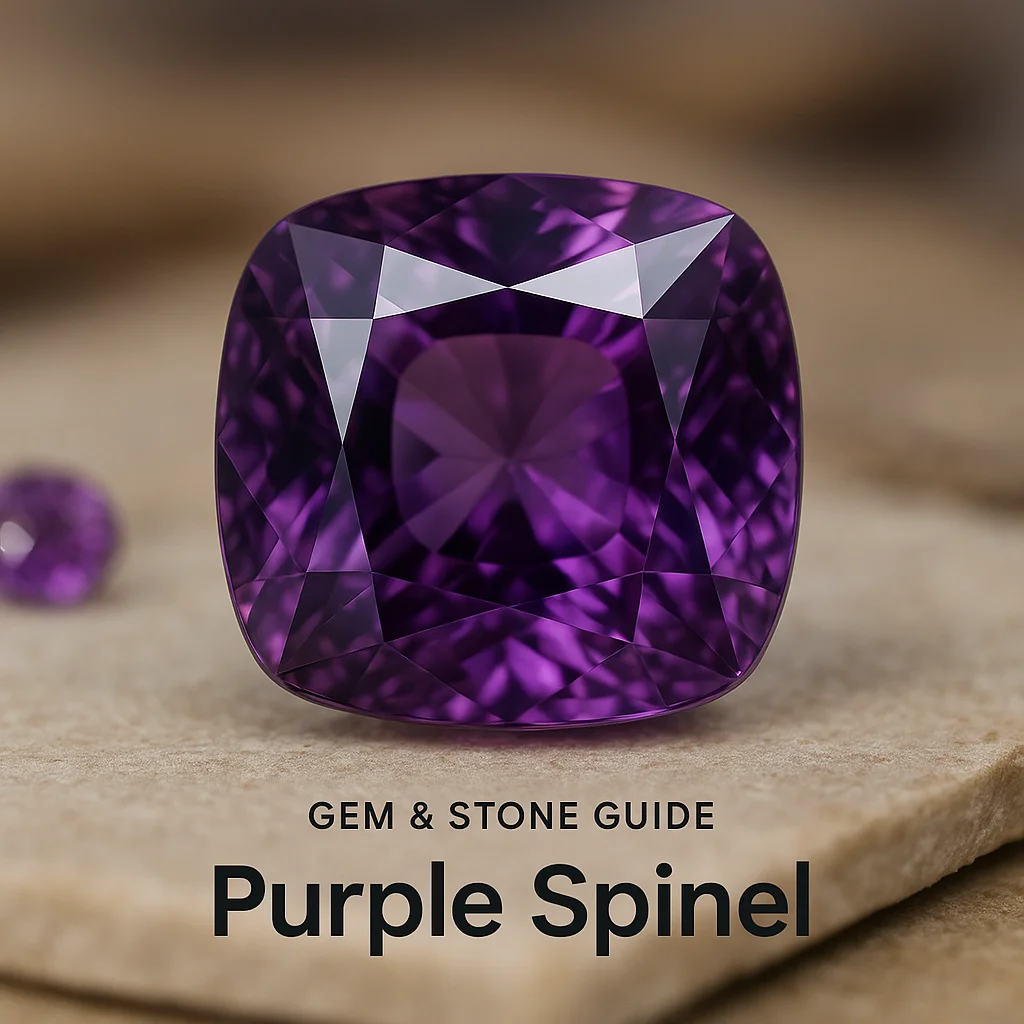
Spinel is not only valued for its beauty but is also considered a historical gemstone. For many years, spinel has been mistaken for other precious stones like ruby and sapphire. This is due to its similar color range and physical properties. Unlike many gemstones, spinel is rarely treated to enhance its appearance, making untreated stones highly sought after.
For those interested in gemstones, this article explores various aspects of purple spinel, including its geological origins, formation process, physical properties, and cultural significance. Readers will learn about what makes purple spinel unique, as well as practical tips for acquiring and caring for this gemstone.
🌍 Where It Comes From
Purple spinel can be found in a variety of geological environments. It primarily occurs in metamorphic rocks, which are rocks that have been transformed by significant heat and pressure deep within the Earth's crust. The presence of magnesium in these environments contributes to the formation of spinel crystals.
Notable regions known for producing high-quality purple spinel include parts of Southeast Asia, such as Myanmar and Sri Lanka. These regions have a long history of gemstone mining and are revered for the exceptional quality of their spinel deposits. In addition, deposits have been identified in regions of Africa, contributing to the global supply.
The origin of purple spinel can influence its color, clarity, and overall market value. Gemologists and collectors often place a premium on stones from renowned locations due to their distinctive appearance and mining heritage. However, it's important for buyers to verify the origin through professional certification.
🔬 How It Forms
The formation of purple spinel is a fascinating process that occurs over millions of years. This gemstone typically forms under elevated temperatures and pressures, often found in regions where the Earth's tectonic plates collide or where there is active volcanic activity.
The beautiful purple coloration in spinel is generally attributed to the presence of trace elements within the mineral's crystal structure. Specifically, elements like chromium and iron can influence the stone's color, ranging from soft lilac shades to deeper, more intense purples.
Spinel commonly crystallizes in the isometric system, forming octahedral or dodecahedral shapes. These natural crystal forms contribute to the stone's aesthetic appeal and play a role in how it is eventually cut and polished for use in jewelry.
🎨 Color and Look
Purple spinel is cherished for its range of colors, from delicate lavender shades to saturated violet tones. The stone's beauty is further enhanced by its natural luster, which offers a glass-like shine when polished. Purple spinel is usually free from inclusions, allowing it to display exceptional clarity.
The appearance of purple spinel can be affected by several factors, including the way it is cut and polished. A well-cut spinel will maximize its brilliance and bring out the depth of its color. Lighting also plays a crucial role in how spinel is perceived, as different light sources can alter its visual appeal.
In terms of treatments, spinel is typically untreated. This sets it apart from many other gemstones that undergo processes like heat treatment or dyeing to enhance color. Natural stones without enhancements are often more desirable and valuable to collectors and connoisseurs.
🧪 Properties That Matter
Understanding the physical properties of purple spinel can help determine its suitability for different types of jewelry. The Mohs hardness scale, which measures a mineral's ability to resist scratching, places spinel at a 7.5-8. This means it is quite durable and suitable for rings, earrings, and pendants that may experience daily wear.
Spinel is also known for its toughness, meaning it resists chipping and fracturing under impact. This toughness, combined with its lack of cleavage, makes it an excellent choice for intricate jewelry designs that require a resilient stone.
The luster of purple spinel is considered vitreous, giving it a shiny, reflective quality when properly polished. In addition, spinel is transparent to translucent, which allows light to pass through it and enhances its overall sparkle and appearance in jewelry settings.
✨ Meanings, Birthstones, and Culture
While not recognized as a traditional birthstone, spinel has gained acclaim in modern gemstone lore. It is often associated with harmony and revitalization, though these meanings come from cultural beliefs rather than scientific evidence. In some cultures, purple spinel is believed to foster creativity and inspire devotion.
In recent jewelry trends, spinel has earned a place alongside more traditional gemstones like sapphire and ruby. Its unique hues and natural attributes make it a favorite among designers seeking to offer something different from the norm.
As spinel is used more frequently in contemporary jewelry, its symbolic meanings continue to grow. However, it is important for gem enthusiasts to differentiate folklore from the scientifically verified properties of the stone.
🧼 Care and Cleaning
To maintain the beauty of purple spinel, gentle cleaning is recommended. A simple solution of mild soap and warm water is usually sufficient to clean the gemstone. Using a soft cloth or a toothbrush with a gentle bristle, one can carefully remove any dirt or oil buildup.
Avoid exposing spinel to harsh chemicals or excessive heat, as these can potentially damage the stone or the jewelry setting. Additionally, sudden temperature changes should be avoided to prevent thermal shock. Long periods of soaking should also be avoided.
When not in use, purple spinel jewelry should be stored in a soft pouch or lined jewelry box to prevent scratches. Keeping pieces separate from other gemstones and metal will protect the spinel from accidental abrasions.
🛒 Buying Tips and What to Check
Potential buyers of purple spinel should consider several factors that can affect price and quality. Color is a major determinant, with richer, more saturated hues commanding higher prices. Clarity should also be evaluated, with eye-clean stones being more desirable.
The cut of the spinel is crucial, as it determines how well the stone reflects light. A quality cut can significantly enhance the stone's appearance. Carat size is another factor, with larger stones being rarer and generally more expensive.
Origin can play a role in the stone's value, particularly if it comes from renowned regions. Inquiring about treatments is also important, even though spinel is typically untreated. For high-value purchases, requesting a lab report from a reputable gemological laboratory can provide assurance about the stone's authenticity and characteristics.
⚠️ Real vs Fake and Common Look-Alikes
Distinguishing between natural and synthetic spinel is essential for buyers. Natural spinel forms in the Earth, while synthetic spinel is created in laboratories using the same chemical composition. Synthetic stones are not inherently "fake" but are less valuable than natural counterparts.
Imitations, such as glass or composite materials, are designed to mimic the appearance of spinel but have different physical and chemical properties. Assembled stones, including doublets and triplets, may feature spinel as one layer.
Common look-alikes include amethyst and iolite, which can resemble purple spinel in color. Professional gemological testing is required to accurately identify and differentiate spinel from these similar-looking stones.
❓ Common Questions and Misconceptions
Is it a mineral or a rock? Purple spinel is a mineral, specifically part of the spinel group of minerals.
Is it a birthstone? While not a traditional birthstone, spinel is gaining popularity in modern birthstone lists.
Will it scratch easily? With a Mohs hardness of 7.5-8, it resists scratching better than many gemstones.
Can it go in water? Generally, yes, but avoid prolonged soaking and drastic temperature changes.
Does color fade in sunlight? Purple spinel is generally stable in sunlight, but avoiding prolonged exposure is prudent.
What treatments are common? Spinel is usually untreated, making naturally vibrant stones more prized.
Is lab-grown "fake"? Lab-grown spinel is real spinel but less valued than natural stones.
How do I store it safely? Store in a soft, lined jewelry box or pouch away from harder gemstones.
Do inclusions always lower value? Yes, inclusions can affect clarity and value, though minor inclusions may be acceptable.
How do I pick a good one for jewelry? Look for vivid color, eye-clean clarity, and quality cut for the best sparkle.
📌 Summary
- Purple spinel is a mineral known for its vibrant colors and historical significance.
- The typical colors range from lavender to violet, with a vitreous luster.
- Forms in metamorphic rocks under heat and pressure with trace elements affecting color.
- Possesses a Mohs hardness of 7.5-8, making it suitable for durable jewelry.
- Generally untreated, though origin and quality influence market value.
- Care involves gentle cleaning, avoiding harsh chemicals and temperature changes.
- Ideal for jewelry like rings, earrings, and pendants due to its durability.
- Common look-alikes include amethyst and iolite, with professional testing advised.
- Authenticity confirmed through professional gemological analysis.
- When buying, check for color, clarity, cut, origin, and request a gemological report.
- Although not a traditional birthstone, it has cultural associations and symbolism.
- Offers a unique beauty with historical allure, perfect for those seeking a distinctive gemstone.