💎 Yellow Sapphire
🪨 What It Is
Yellow sapphire is a variety of the mineral corundum, which is known for its striking yellow hue. This gemstone is popular in jewelry due to its brilliance and vibrant color. It is a variety of sapphire, sharing the same family as the famous blue sapphire and the red ruby. When corundum is yellow, it is specifically referred to as yellow sapphire.
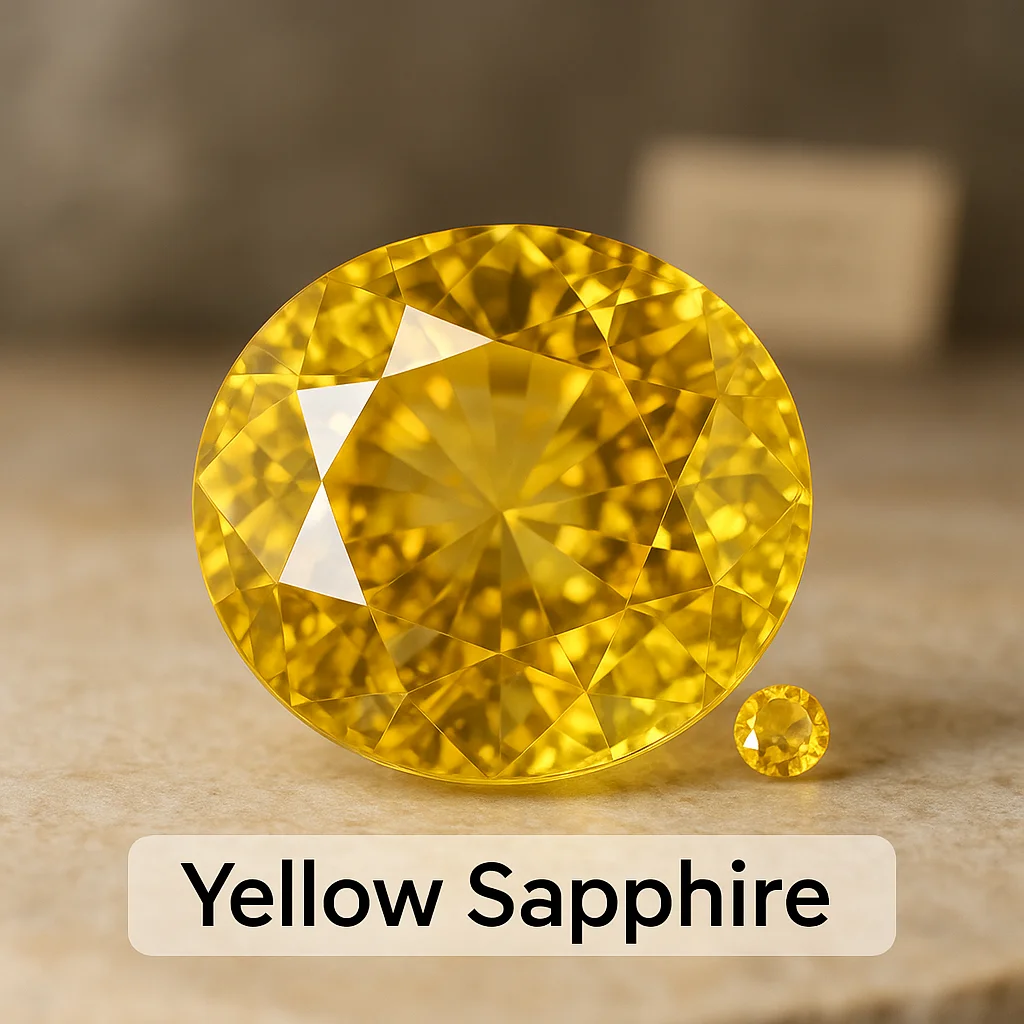
Yellow sapphire is considered a birthstone for those born in September and has a growing popularity in jewelry crafting due to its appealing shades and versatility. This gemstone is often used in rings, necklaces, and earrings, offering a touch of elegance and sophistication.
This article will cover the appearance, properties, origins, and care tips for yellow sapphire. Readers will also find guidance on buying and authenticating these gemstones, as well as exploring their cultural significance and common misconceptions.
🌍 Where It Comes From
Yellow sapphires form naturally within the earth's crust, typically within igneous rocks or metamorphic rocks that have been altered by heat and pressure over millions of years. These geological settings allow the crystalline structure of corundum to develop, which eventually becomes sapphire.
Yellow sapphires are primarily mined in regions known for rich deposits of corundum, including countries like Sri Lanka, Madagascar, and parts of East Africa. These sapphires can vary in color intensity based on the specific location of their origin, making origin one factor to consider in their evaluation.
The place of origin can influence a gemstone's color and clarity due to varying mineral compositions and geological conditions. While Sri Lankan yellow sapphires are often celebrated for their clear, bright appearance, stones from Madagascar might reflect distinct hues and inclusions, highlighting the importance of knowing a gem's provenance.
🔬 How It Forms
Yellow sapphire forms over millions of years under conditions of extreme heat and pressure. As with all corundum varieties, its composition mainly consists of aluminum oxide, but what sets the yellow sapphire apart is the presence of trace elements such as iron. These elements are responsible for its vivid yellow coloration.
During the formation process, yellow sapphires develop their crystalline structure within the host rock. Over time, natural forces such as erosion and weathering expose these gems, allowing them to be discovered and collected. The distinct crystal habit of yellow sapphire is that of hexagonal prisms, which is typical for sapphires.
🎨 Color and Look
The color of yellow sapphire ranges from pale to vibrant yellow, with some stones exhibiting gold or orange tones. The desired color is often a rich, sunny yellow, valued for its brightness and warmth. The uniformity and saturation of color play a crucial role in the gemstone's overall appeal and value.
The appearance of yellow sapphire can be enhanced by its cut and polish, which bring out the stone's inherent brilliance. Clarity is another factor, as stones with fewer inclusions (natural internal features) are generally more sought after. Yellow sapphires are occasionally treated to enhance their color, typically through heat treatment. This process is widely accepted within the gem trade when disclosed to buyers.
🧪 Properties That Matter
The Mohs hardness of yellow sapphire is 9, making it one of the hardest gemstones available, second only to diamond. This hardness means it is highly resistant to scratches, ideal for everyday jewelry such as rings and bracelets.
Though hard, yellow sapphire has poor cleavage, meaning it doesn’t break easily along specific planes, but care should still be taken with any gemstone jewelry to avoid impacts. The gem's luster is vitreous, giving it a glass-like shine when polished. Transparency varies, with the finest quality being nearly transparent with a vibrant shine.
✨ Meanings, Birthstones, and Culture
Traditionally, yellow sapphire has been associated with knowledge and prosperity. In some cultures, it is believed to represent wisdom and success, though these associations are symbolic rather than scientific. As such, any metaphysical value is considered a matter of personal belief.
Yellow sapphire is linked to the month of September, often chosen as a birthstone for those born during this time. In modern jewelry, the stone's pleasant color and durable nature make it a favorite for rings and pendants.
🧼 Care and Cleaning
To ensure the longevity of yellow sapphire, it is best to clean it with mild soap and water, using a soft cloth to gently remove any dirt or oils. Avoid using harsh chemicals or ultrasonic cleaners, which might damage the stone or its setting.
Sapphires should be stored separately from other jewelry to prevent scratching. A soft pouch or separate compartment in a jewelry box is ideal. Avoid exposing yellow sapphire to sudden temperature changes or prolonged exposure to direct sunlight, which might affect the stone's appearance.
🛒 Buying Tips and What to Check
When purchasing a yellow sapphire, consider the "Four Cs": color, clarity, cut, and carat weight. The gem's color should be vibrant yet natural, while clarity impacts its overall brilliance. Cut affects its sparkle, and carat weight determines size.
Ask for certification from reputable gemological laboratories to confirm the gem's authenticity and whether any treatments have been applied. For online purchases, ensure the seller has clear images, a good reputation, and a fair return policy.
⚠️ Real vs Fake and Common Look-Alikes
Natural yellow sapphires can be distinguished from synthetic or imitation stones, which may be made of glass or composite materials. While synthetic sapphires are manufactured in laboratories and share the same chemical properties, imitations seek only to mimic appearance.
Common look-alikes include citrine and topaz, which can be similar in color but differ in hardness and composition. Professional gem testing is recommended to confirm authenticity, as home tests can be unreliable and risky.
❓ Common Questions and Misconceptions
Is it a mineral or a rock? Yellow sapphire is a mineral, specifically a variety of corundum.
Is it a birthstone? Yes, it is associated with the month of September.
Will it scratch easily? No, where the Mohs hardness of 9 makes it highly scratch-resistant.
Can it go in water? Yes, but avoid harsh chemicals or prolonged soaking.
Does color fade in sunlight? It is generally stable, but prolonged exposure should be avoided.
What treatments are common? Heat treatment is commonly used to enhance color.
Is lab-grown 'fake'? Lab-grown sapphires are genuine sapphire but not natural.
How do I store it safely? Store separately in a soft pouch to avoid scratches.
Do inclusions always lower value? Not always; they can affect value but might also indicate natural origin.
How do I pick a good one for jewelry? Look at color saturation, ask about treatments, and seek certification.
📌 Summary
- Yellow sapphire is a variety of corundum, known for its distinct yellow color.
- Colors range from pale yellow to vibrant gold, affected by trace elements.
- Forms under heat and pressure over millions of years, commonly found in igneous rocks.
- Has a Mohs hardness of 9, making it ideal for jewelry.
- Commonly heat-treated to enhance color, disclosures should be verified.
- Gently clean with soft soap and water, avoid harsh chemicals.
- Best used in rings, earrings, and pendants due to durability.
- Look-alikes include citrine and topaz, professional testing advised for verification.
- Always check for lab certification and inquire about treatments before buying.
- Considered a birthstone for September and symbolically linked to prosperity.
- For authenticity, rely on professional testing and reports.
- Always store carefully to preserve its beauty and value.