💎 Aventurine
🪨 What It Is
Aventurine is a form of quartz, which is one of the most common and versatile gemstones. It is celebrated for its distinctive shimmering effect, known as "aventurescence." Generally, aventurine comes in shades of green, but it can also be found in blue, red, and orange.
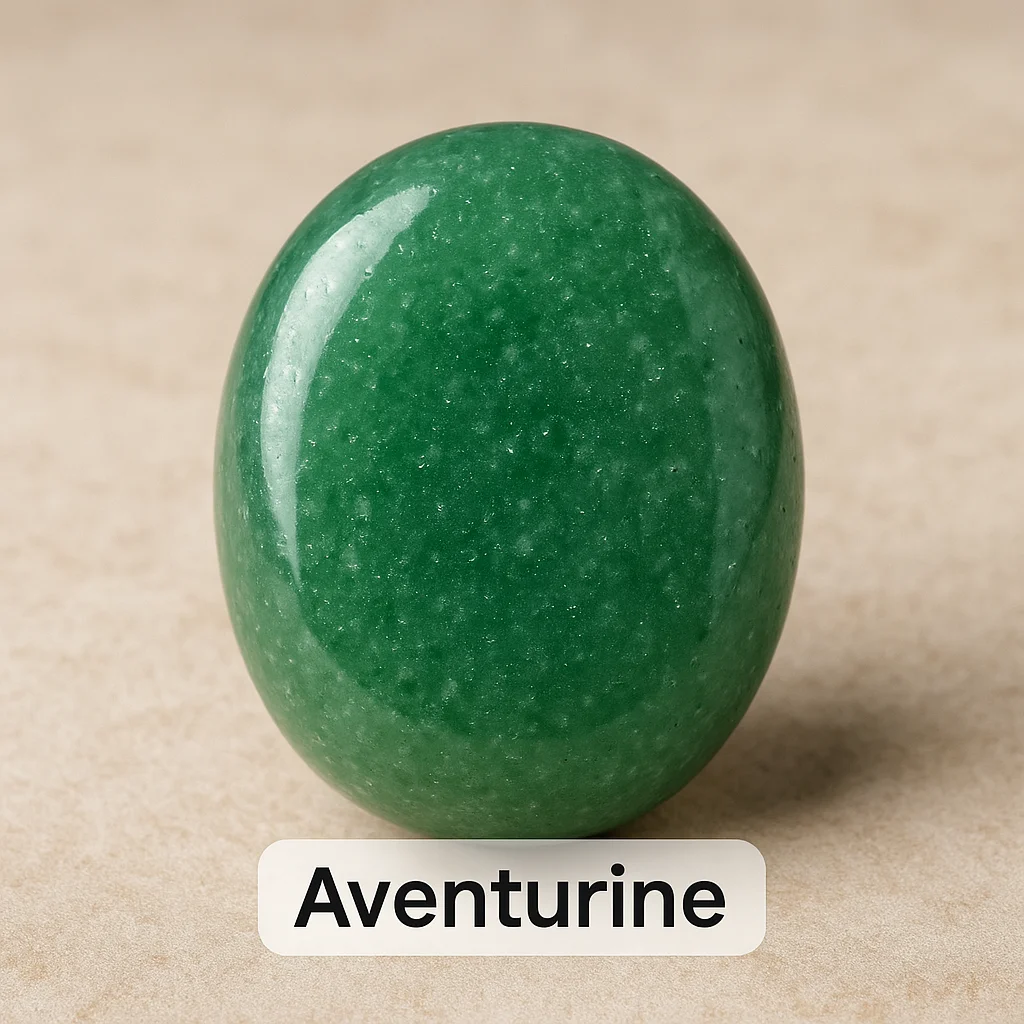
Aventurine is a popular choice for jewelry and ornamental designs due to its sparkling texture and variety of colors. While it is not officially a birthstone, its vibrant appearance makes it a favorite among those looking to add flair to their collections.
This article will cover various aspects of aventurine, including its origin, formation, appearance, properties, cultural significance, and tips for care and purchase, providing you with a well-rounded understanding of this unique stone.
🌍 Where It Comes From
Aventurine is primarily found in regions known for their rich mineral compositions. It is most commonly associated with metamorphic rocks, formed through intense heat and pressure that alter existing rock formations. Such geological settings are usually rich in certain minerals that contribute to aventurine's unique characteristics.
Some well-known regions where aventurine is produced include parts of India, Brazil, and Russia. These areas have gained a strong reputation for producing high-quality aventurine, characterized by vibrant colors and pronounced aventurescence.
The origin of aventurine can impact its value, with some collectors and buyers showing preferences for particular regions due to perceived quality, historical significance, or rarity. Understanding where aventurine is sourced from can enrich one's appreciation and evaluation of this captivating stone.
🔬 How It Forms
The formation of aventurine begins with the natural processes acting on quartz, the base mineral. Over time, quartz undergoes significant heat and pressure, which helps form the crystalline structure characteristic of aventurine. Trace minerals such as fuchsite (a type of green mica) contribute to its color and signature glow.
Aventurine gets its aventurine effect from inclusions of small mineral platelets within its structure. These inclusions reflect light in a way that creates a captivating sparkle or glittering effect when viewed from certain angles.
In simple terms, aventurine is essentially quartz with shimmering inclusions, giving it an alluring appearance that sets it apart from other gemstones within the quartz family.
🎨 Color and Look
Green is the most common color for aventurine due to the presence of fuchsite, which adds a beautiful green hue to the stone. However, aventurine can also occur in other colors, including blue, red, orange, and sometimes even purplish shades, depending on the mineral inclusions involved in its formation.
The beauty of aventurine is often enhanced by its cut and polish. A well-cut piece of aventurine can emphasize its aventurescence, showing off the stone's interior sparkle effectively. Lighting also plays a vital role in how the stone's shine is perceived, and under direct light, the aventurescence becomes more pronounced.
While natural aventurine is admired for its unique beauty, treatments such as dyeing are sometimes used to enhance color further. It is essential to ensure such treatments are disclosed during purchase to maintain transparency and buyer trust.
🧪 Properties That Matter
On the Mohs scale of hardness, aventurine scores around 6.5 to 7, making it durable enough for various types of jewelry, including rings and bracelets. This rating means it is resistant to scratches from most everyday objects but should still be protected from harsher abrasives like granite or topaz.
Aventurine's toughness, or ability to resist chipping and breaking, is relatively good, though it should still be handled with care, especially in jewelry applications that are subject to more substantial wear and tear.
The stone exhibits no cleavage, instead, it typically fractures in a conchoidal manner, which can produce smooth, rounded surfaces. Its luster is vitreous, contributing to the gemstone's appealing glass-like appearance.
✨ Meanings, Birthstones, and Culture
Traditionally, aventurine has been associated with prosperity and good fortune. In various cultures, it is thought to attract abundance and luck, particularly in financial and business ventures. However, these beliefs are cultural traditions rather than scientifically based claims.
Aventurine does not hold a place in the modern birthstone lineup, but its association with luck makes it a popular choice for individuals seeking stones with symbolic attributes. The stone has also been embedded within the metaphysical realm, where some suggest it aids in emotional healing.
In jewelry, aventurine's vibrant appearance continues to appeal to those who appreciate gemstones with unique optical effects and color variations, making it a versatile and attractive option for various settings and styles.
🧼 Care and Cleaning
Caring for aventurine involves gentle cleaning with mild soap and lukewarm water. Use a soft cloth to wipe the stone, avoiding harsh chemicals or abrasive cleaning tools that could damage its surface.
Aventurine should not be subjected to high heat or sudden temperature changes as these conditions might affect its structural integrity. Long soaking sessions in water should also be avoided to prevent any potential weakening of the stone.
When storing aventurine jewelry, place it separately from other items to prevent scratches. Soft pouches or cloth wraps are advisable to maintain its surface and luster.
🛒 Buying Tips and What to Check
When purchasing aventurine, consider factors such as color intensity, aventurescence, and overall clarity. The presence of intense color and pronounced sparkle can enhance the stone's visual appeal and value.
Always inquire about any treatments or enhancements that the stone may have undergone. High-value purchases should ideally come with a gemological report, which provides insights into the stone's authenticity and characteristics.
When buying online, ensure the vendor provides clear photographs of the aventurine from multiple angles. Verify the seller's reputation and ensure they have a return policy to accommodate cases where the stone does not meet your expectations.
⚠️ Real vs Fake and Common Look-Alikes
Aventurine can sometimes be confused with synthetics or imitations due to its distinctive appearance. Synthetic versions are lab-grown but aim to replicate the optical features of natural aventurine. Imitations may include glass or plastic designed to mimic its look.
Common look-alikes include other green stones like jade or certain types of quartz. However, the aventurescence in aventurine is unique and can often help distinguish it from other similar stones. Professional gemological testing is the most reliable method to confirm authenticity.
❓ Common Questions and Misconceptions
Is it a mineral or a rock? Aventurine is a mineral, specifically a variety of quartz.
Is it a birthstone? Aventurine is not considered a traditional birthstone.
Will it scratch easily? With a Mohs hardness of 6.5 to 7, it is moderately scratch-resistant.
Can it go in water? Brief exposure to water is fine, but avoid prolonged soaking.
Does color fade in sunlight? Aventurine's color generally remains stable in sunlight, though prolonged exposure should be minimized.
What treatments are common? Dyeing is a common treatment to enhance color.
Is lab-grown 'fake'? Lab-grown stones are genuine but synthetically produced.
How do I store it safely? Keep it in a soft cloth or pouch away from other jewelry.
Do inclusions always lower value? Not necessarily; inclusions can enhance its aventurescence.
How do I pick a good one for jewelry? Look for vibrant color and clear aventurescence.
📌 Summary
- Aventurine is a mineral form of quartz known for its shimmering aventurescence.
- Typically found in green but also available in blue, red, and orange colors.
- Formed under intense heat, pressure, and the presence of specific minerals.
- Features a Mohs hardness of 6.5 to 7, suitable for most jewelry types.
- Dyeing is a common treatment to enhance color.
- Care involves gentle cleaning with soap and water, avoiding harsh conditions.
- Ideal for rings, pendants, and a variety of ornamentations.
- Commonly mistaken for jade or other green stones.
- Authenticity best confirmed through professional testing.
- Buying considerations include color, sparkle, and treatment disclosures.
- Cultural associations with luck and prosperity, not a modern birthstone.
- Aventurine's noteworthy feature is its unique sparkle and stunning color array.