💎 Malachite Raw
🪨 What It Is
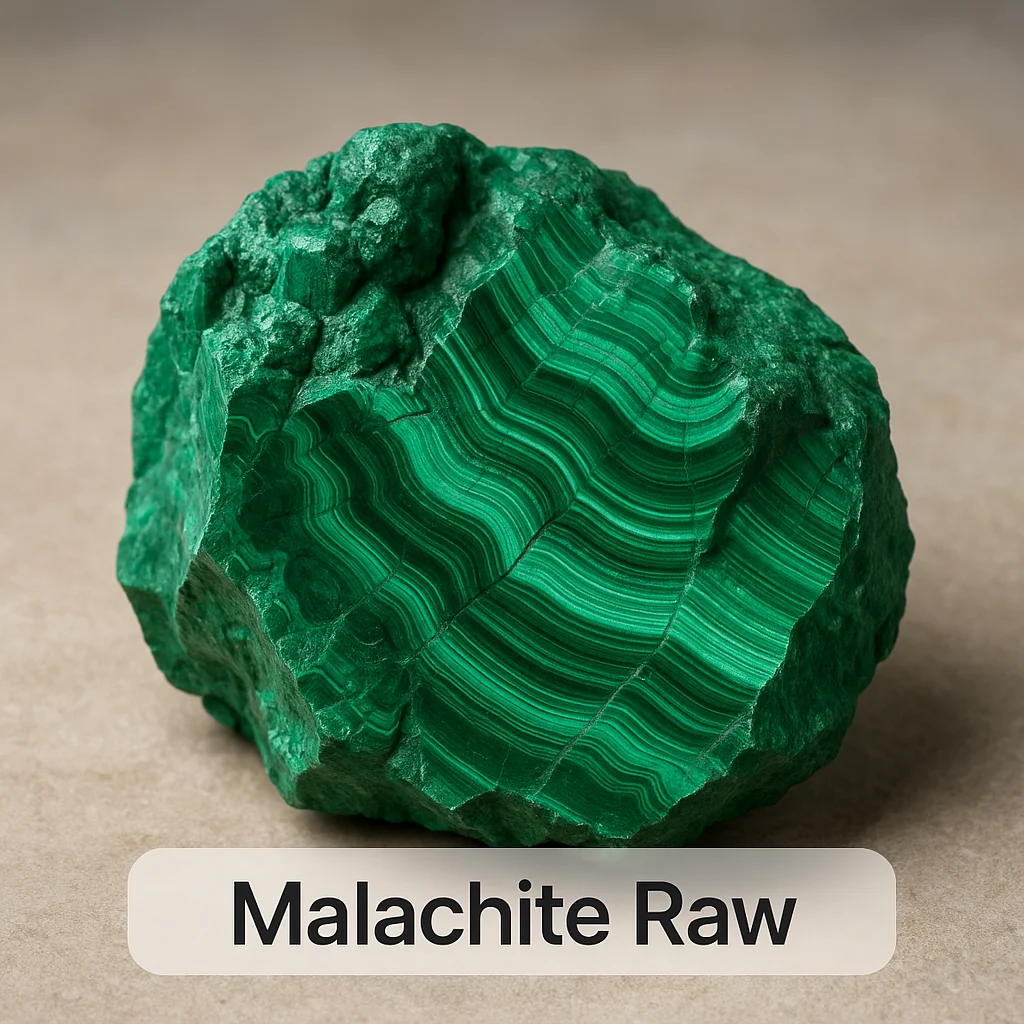
Malachite is a captivating green mineral known for its vibrant color and unique banding patterns. It is primarily composed of copper carbonate hydroxide and is classified as a mineral rather than a rock. Malachite is not a traditional birthstone, but it is a popular choice for use in jewelry pieces due to its eye-catching appearance.
This article will guide you through the essential characteristics of raw malachite, helping you understand its natural beauty, properties, origins, and practical considerations for purchasing and maintaining this striking mineral. By the end, you'll have a comprehensive overview of what makes malachite a cherished addition to collections or jewelry.
We will explore the origin and formation of malachite, its distinct coloration, key physical properties, traditional meanings, and essential tips for care and purchasing. Whether you are a budding enthusiast or a seasoned collector, this guide will offer valuable insights into the world of malachite.
🌍 Where It Comes From
Malachite is typically found in the weathered zones of copper deposits, primarily forming in hydrothermal environments. These areas occur where mineral-rich water reacts with existing copper ores, leading to the crystallization of malachite. The specific conditions that lead to malachite's formation make it a secondary mineral, often appearing alongside other copper minerals.
Significant deposits of malachite are located in parts of Africa, such as the Democratic Republic of Congo and Namibia. It is also found in smaller quantities in countries like Russia and Australia. These regions are especially known for the quality and size of their malachite specimens. The origin of malachite can influence its market reputation, as specimens from certain locations are highly sought after for their vibrant colors and intricate patterns.
The variability in color and patterning makes origin a noteworthy factor for collectors. Malachite from specific regions may have unique characteristics, contributing to its desirability in the gem and mineral market. However, these differences in origin can also inform the value and rarity of individual pieces, adding another layer of interest for those who appreciate the complexities of gemstone sources.
🔬 How It Forms
The formation of malachite involves a combination of heat, pressure, and the presence of mineral-rich fluids. When water containing copper ions seeps through rock layers, it interacts with carbonate minerals to create malachite deposits. This process of precipitation typically occurs near the Earth's surface, where the conditions are favorable for malachite's distinctive layered and botryoidal (grape-like) forms.
Malachite's vibrant green color results from its copper content. Trace elements can influence its hue and pattern, but the primary green shade is a direct result of the copper ions within its structure. This mineral is often found forming as massive crusts or small, fibrous crystals with a banded appearance due to the alternating light and dark layers of growth.
In certain cases, malachite is found in association with azurite, another copper-based mineral. These combined formations are known as azurmalachite and display an intriguing mix of blue and green coloring. The relationship between malachite and azurite is a classical example of how geology can create stunning natural art.
🎨 Color and Look
Malachite is renowned for its vibrant green color, which ranges from light green to dark green. The banding patterns often resemble ripples or concentric circles, contributing to its visual appeal. The patterns may display alternating bands of light and dark green, giving the stone a dynamic and immersive look.
The appearance of malachite is heavily influenced by how it is cut and polished. A well-polished piece enhances its natural luster, displaying the intricate patterns and vibrant colors to their fullest potential. Malachite is typically opaque, which means it does not allow light to pass through, emphasizing its rich, solid color.
Malachite can undergo stabilization treatments to improve its durability for use in jewelry. This process involves impregnating the stone with a resin to reduce its natural porosity. While stabilizing enhances the stone's robustness, it is essential for buyers to be aware of such treatments, especially when evaluating the stone's value and authenticity.
🧪 Properties That Matter
One of the key considerations when handling malachite is its Mohs hardness, which ranges around 3.5 to 4. This relatively low hardness means that malachite can be easily scratched by harder materials. Therefore, it is better suited for jewelry pieces that are not subjected to heavy wear, such as pendants or earrings, rather than rings.
Malachite's toughness, or ability to resist chipping and breaking, is considered to be fair. Coupled with its natural cleavage, which is the tendency to break along defined planes, care must be taken to preserve its structure. Its vitreous to silky luster gives it a desirable sheen, particularly when polished, enhancing its visual appeal despite its opacity.
The mineral's moderate sensitivity to heat and chemicals requires cautious handling. It is essential to avoid exposing malachite to high temperatures or harsh cleaning agents that might damage the stone. A gentle approach to care can significantly prolong the life and beauty of malachite pieces.
✨ Meanings, Birthstones, and Culture
Traditionally, malachite has been associated with transformation and protection. Its striking green color has linked it to nature, growth, and fertility in various cultures. While it is not recognized as a traditional birthstone, its popularity in jewelry and decorative items continues to express these symbolic associations.
In historical contexts, malachite was often used as an amulet or talisman to ward off negative energies. It is commonly found in art and architecture, showcasing its cultural significance beyond personal adornment. However, it is crucial to differentiate between these traditional ideas and scientifically verified properties.
Modern jewelry designs frequently incorporate malachite for its stunning appearance and historical appeal. Designers leverage its versatility to create pieces that highlight the stone's natural beauty, contributing to its enduring presence in ornamental applications.
🧼 Care and Cleaning
Caring for malachite involves gentle methods that avoid harsh substances or procedures. Cleaning with mild soap and water is typically safe, followed by a thorough but gentle drying with a soft cloth. Avoid long soaking periods and ensure that any residue is completely removed.
Due to its softness and porosity, malachite requires cautious storage solutions to avoid scratching or damage. Wrapping malachite pieces in a soft fabric and keeping them separate from harder gemstones will help prevent surface wear. Also, it is advisable to keep malachite away from prolonged direct sunlight, which might lead to gradual fading.
It is important to remember that malachite should not be exposed to sharp temperature changes. Sudden heat or cooling might cause fractures or alterations in appearance. By following these simple guidelines, you can maintain the beauty and integrity of malachite over time.
🛒 Buying Tips and What to Check
Several factors influence the price and quality of malachite, including color, pattern, size, and origin. The most desirable specimens often feature vibrant, intense greens with distinct and attractive banding. Larger, unblemished pieces are rarer and often command higher prices.
When buying malachite, inquire about any treatments it may have undergone, such as stabilization. High-value malachite pieces can benefit from a laboratory report, which provides information about treatments and confirms the stone's natural origin.
For online purchases, consider asking for multiple photos, checking the retailer's return policy, and verifying seller credibility. Transparent communication regarding treatment and origin is key to making an informed decision when choosing malachite jewelry or specimens.
⚠️ Real vs Fake and Common Look-Alikes
Natural malachite can be confused with synthetic versions or imitations, such as those made from glass or plastic composites. The distinction between synthetic and imitation lies in the process: synthetics are chemically identical, while imitations simply mimic the appearance.
Common look-alikes include other green minerals such as chrysocolla, which can sometimes be mistaken for malachite due to similar coloration. Color banding and a polished surface can help differentiate real malachite from its imitations, but professional testing remains the most reliable method.
Professionals use techniques such as spectroscopy or specific gravity measurements to determine authenticity. Therefore, caution should be exercised against home tests that might damage the stone or lead to incorrect conclusions.
❓ Common Questions and Misconceptions
Is it a mineral or a rock? Malachite is a mineral, not a rock.
Is it a birthstone? Malachite is not a traditional birthstone but is popular in jewelry.
Will it scratch easily? Yes, with a Mohs hardness of 3.5–4, malachite is relatively soft and can scratch easily.
Can it go in water? Brief water exposure is fine, but avoid long soaks and dry it thoroughly after cleaning.
Does color fade in sunlight? Prolonged exposure to strong sunlight might cause some color fading of malachite.
What treatments are common? Stabilization is a common treatment to improve malachite's durability.
Is lab-grown 'fake'? Lab-grown malachite is not fake, but it's chemically identical and distinguished from natural by its artificial origin.
How do I store it safely? Store malachite in a soft pouch or cloth separately from harder materials to prevent scratches.
Do inclusions always lower value? Not always; inclusions can create interesting patterns but may reduce transparency or strength.
How do I pick a good one for jewelry? Look for vibrant bands, minimal flaws, and consider the piece's intended use and setting type.
📌 Summary
- Malachite is a green copper carbonate mineral prized for its vivid color and patterns.
- Typical colors range from light to dark green with banded patterns.
- Forms in hydrothermal settings with mineral-rich water interactions.
- Moderate hardness requires careful wear, best suited for low-impact jewelry.
- Commonly stabilized to enhance durability for jewelry use.
- Clean with gentle soap and water, avoiding harsh chemicals and sunlight exposure.
- Ideal for pendants and earrings; not recommended for rings.
- Common look-alikes include chrysocolla and synthetic or imitation stones.
- Professional testing confirms authenticity; buyer should ask for reports.
- Check color, pattern, and seller integrity when buying; inquire about treatments.
- Associated with transformation and protection in cultural terms, not as a birthstone.
- Remember its sensitivity to scratching and require gentle care to maintain its beauty.