💎 Serpentine
🪨 What It Is
Serpentine is a group of minerals that collectively form a rock commonly recognized for its green, marble-like appearance. Its intriguing texture and color variations make it a popular choice among gem enthusiasts and collectors. Although not traditionally classified as a birthstone, serpentine's aesthetic appeal makes it a favored choice for jewelry.
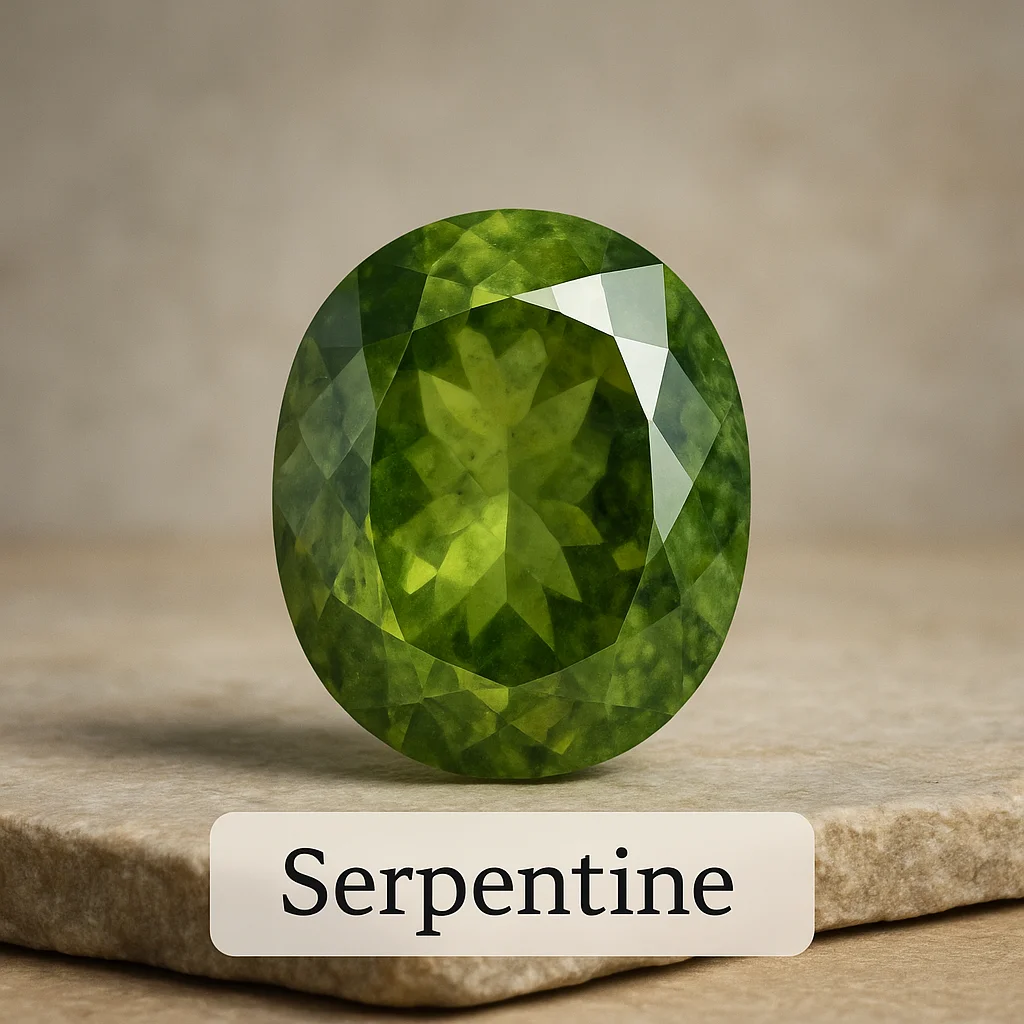
In this article, we will explore the captivating world of serpentine, including its appearance, properties, origins, and value. We'll also provide practical advice on how to care for your serpentine pieces, offer buying tips, and discuss common misconceptions about this intriguing mineral.
Whether you're a budding collector or simply curious about the stunning complexity of natural stones, understanding serpentine will deepen your appreciation for these beautiful rocks and their role in the world of gemstones.
🌍 Where It Comes From
Serpentine commonly occurs in metamorphic rocks, formed under conditions of high pressure and moderate temperatures. The process typically involves the alteration of olivine-rich rocks, a mineral found in the Earth's mantle, which is re-worked through natural geological processes over millions of years.
Significant deposits of serpentine can be found in various regions worldwide, including parts of Africa, Asia, Europe, and North America. While the stone's appearance can vary slightly based on its origin, the overall characteristics are typically consistent thanks to similar geological formations.
Origin can play a role in market perception, with stones sourced from certain regions sometimes being more highly valued due to rarity or color variations. However, the overall quality is usually judged more on its appearance and intrinsic properties rather than merely its place of extraction.
🔬 How It Forms
Serpentine forms through a process called serpentinization, which involves the hydration and transformation of minerals like olivine through geological processes. This transformation typically occurs when water is introduced into ultramafic rock formations at tectonic plate boundaries or other geological regions.
The mineral's green color and often mottled appearance can vary due to the presence of different impurities or chemical compositions, with iron content being a significant factor. Depending on the specific conditions, serpentine can display a range of textures from waxy to silky, contributing to its aesthetic appeal.
Understanding these processes provides insight into how natural forces shape the gemstones and minerals we admire, adding an additional layer of appreciation for their beauty and complexity.
🎨 Color and Look
Serpentine is primarily known for its green hues, ranging from light to deep, rich tones. It often displays patterns reminiscent of snake or reptile skin, which is how it earned its name. In addition to green, serpentine can sometimes exhibit patches of yellow, brown, or even black, depending on the impurities present.
When polished, serpentine boasts a glossy finish that enhances its natural colors and patterns, making it an attractive choice for jewelry. Lighting can also affect its appearance, with natural light highlighting its translucency and subtle color variations.
Though not commonly treated, serpentine's surface may sometimes be polished or waxed to enhance its luster and protect it from external damage, though these processes do not alter the mineral's intrinsic qualities.
🧪 Properties That Matter
Serpentine has a Mohs hardness rating of 2.5 to 5, which means it's relatively soft compared to other gemstones and requires careful handling. Due to its softness, serpentine is more suitable for less demanding jewelry pieces like pendants or earrings, rather than rings meant for daily wear.
It is moderately tough, and its resistance to chipping can vary. It typically exhibits a waxy to silky luster when polished, adding an eye-catching sheen. Its cleavage is not well-defined, which translates to how the stone breaks under stress—important for both crafting and wearing.
Awareness of these properties is vital for ensuring serpentine's longevity as a jewelry item, guiding both purchase decisions and care practices to preserve its natural beauty.
✨ Meanings, Birthstones, and Culture
Serpentine has a rich history of cultural symbolism, traditionally associated with protection and healing in various cultures. While not a traditional birthstone, it has often been used in modern jewelry for its aesthetic qualities and symbolic meanings.
Some folklore suggests serpentine can bring balance or protect against negative energy, though these claims are largely cultural rather than scientific. Appreciating these traditions adds depth to owning a serpentine piece, enriching the personal connection individuals may feel with their gemstones.
In modern use, serpentine is valued for its unique appearance and is often featured in thematic jewelry collections celebrating nature or renewal, appealing to contemporary jewelry enthusiasts.
🧼 Care and Cleaning
To maintain serpentine's beauty, gentle cleaning is recommended. Use mild soap and water with a soft cloth, avoiding any harsh chemicals or abrasive materials that could scratch or dull its surface. Thoroughly dry the stone after cleaning to avoid watermarks.
Due to its softness, serpentine should not be subjected to sharp temperature changes. Prolonged exposure to heat should be avoided as well, since it can damage its structural properties. It's best to store serpentine separately or in a padded jewelry box to prevent scratches from harder gemstones.
While serpentine does not require temperature-controlled environments or special storage techniques beyond these basic steps, mindful handling is essential to retain its beauty and integrity over time.
🛒 Buying Tips and What to Check
When purchasing serpentine, prioritize color, clarity, and cut to ensure the best quality for your budget. Lively colors and polished surfaces typically command higher prices, as do stones with appealing patterns. It's not commonly treated, but always ask about any enhancements to be informed.
Secure a good deal by asking for a gemological report if considering high-value stones or purchasing from unfamiliar sellers. Such reports should disclose the stone's natural and treated states, but remember that professional testing is always necessary for verification.
For online purchases, scrutinize photos carefully and check the return policy. Investigate the reputation of both the seller and any disclaimers about treatments, ensuring the terms are clearly stated before making a purchase.
⚠️ Real vs Fake and Common Look-Alikes
It's crucial to differentiate natural serpentine from synthetic or imitation stones. While lab-grown versions are rare, imitations such as dyed marble or plastic composites can exist. These look-alikes may mimic serpentine's appearance but lack the same properties.
Common look-alikes include jadeite and nephrite; serpentine is often confused with these due to their similar green hues, but these are separate minerals with distinct related properties and market values.
Professional gemological testing can reliably identify genuine serpentine, and purchasing from reputable dealers can minimize the risk of acquiring an imitation piece.
❓ Common Questions and Misconceptions
Is it a mineral or a rock? Serpentine is a rock made up of minerals from the serpentine group.
Is it a birthstone? No, serpentine is not a traditional birthstone.
Will it scratch easily? Yes, serpentine has a lower Mohs rating and can scratch easily.
Can it go in water? Brief water exposure is safe, but long soaking is not recommended.
Does color fade in sunlight? Generally, no, but prolonged exposure might dull its shine.
What treatments are common? Serpentine is rarely treated beyond polishing.
Is lab-grown 'fake'? Lab-grown stones differ from natural but aren't inherently fake; they lack natural origin.
How do I store it safely? Store separately in a soft-lined box to avoid scratches from harder stones.
Do inclusions always lower value? Not always; unique patterns can increase aesthetic value despite inclusions.
How do I pick a good one for jewelry? Look for even color, high polish, and minimal visible flaws.
📌 Summary
- Serpentine is a metamorphic rock formed from minerals in the serpentine group.
- It is known for its green hues, sometimes with yellow, brown, or black elements.
- Formation involves geological processes like serpentinization.
- Durability is moderate; careful wear recommended.
- Rarely treated; some polishing or waxing possible.
- Gentle cleaning with soap and water preserves it.
- Excellent for pendants or earrings, less so for rings.
- Common look-alikes include jadeite and nephrite jade.
- Authenticity confirmed via professional testing, not mere observation.
- Buying tips include seeking quality reports and understanding seller credibility.
- Not a birthstone, used in modern jewelry for its unique appeal.
- Appreciate serpentine for its natural beauty and historical significance.