💎 A Real-World Guide to Building a Small Gem Collection on a Budget
🧭 The 60-Second Take
Imagine browsing a website filled with beautiful images of sparkling gemstones. Each gem glistens under the perfect lighting, but when it arrives at your door, it looks somewhat different.
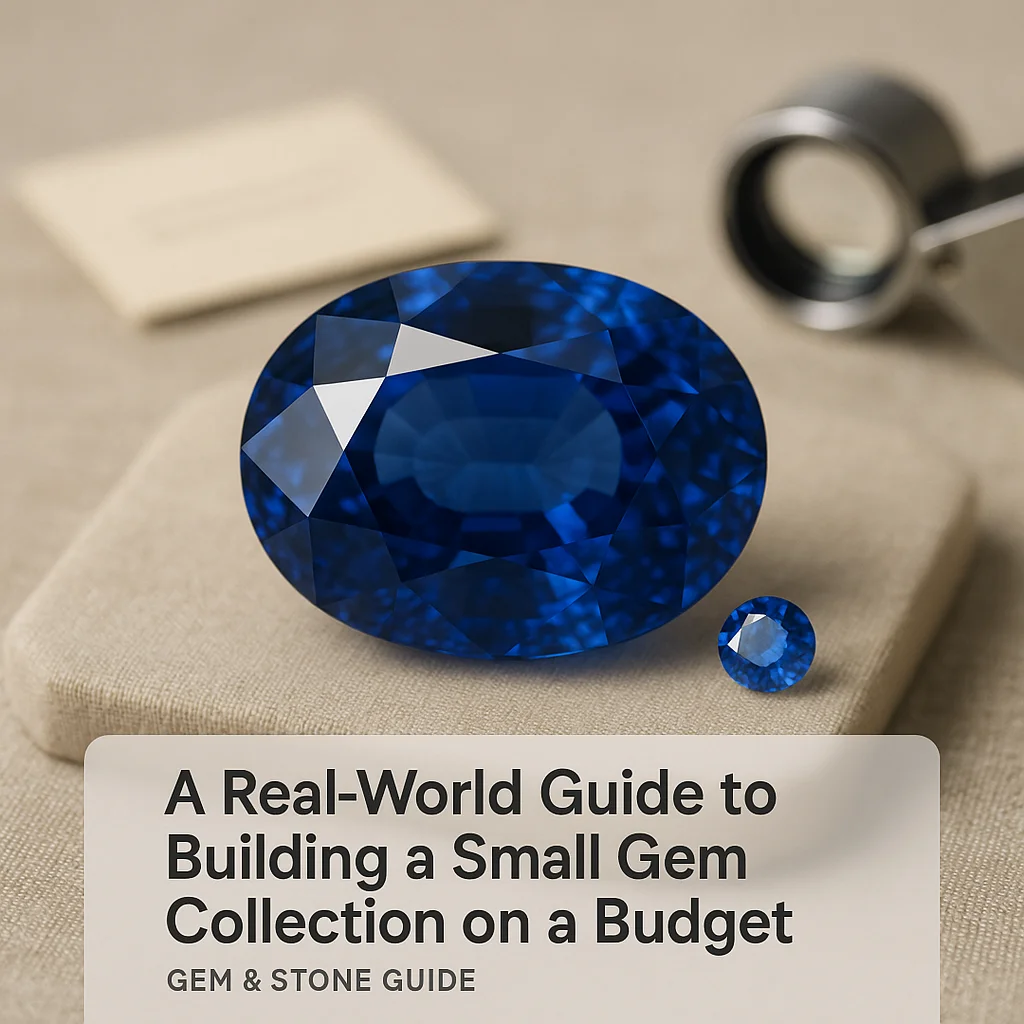
This scenario is not uncommon. The truth is photos can be deceiving, lighting can be manipulated, and certificates can sometimes present more questions than answers.
To help navigate this, here are some actions to take today in the pursuit of a modest gem collection:
- Start by researching the types of gems you’re interested in.
- Understand the difference between natural and lab-grown stones.
- Always ask for detailed photos from different angles and under various lighting.
- Check the return policy before purchasing.
- Beware of deals that seem too good to be true.
- Conduct a market comparison for pricing.
- Consider investing in a small-scale gem-testing kit.
- When possible, verify important purchases with a reputable lab.
🧪 What Actually Makes It “Real”
When determining authenticity, it's crucial to know the differences among natural, lab-grown, imitation, and assembled gems. Natural gems are formed over thousands of years and are extracted directly from the earth.
Lab-grown gems possess the same physical and chemical properties as natural ones but are created in controlled environments. They are real but not natural. Imitations are look-alikes made from different materials, often mimicking the appearance of expensive stones at a fraction of the cost.
Assembled stones, such as doublets and triplets, combine various materials to mimic the look of a whole gem. In online photos, price, and paperwork, lab-grown may look identical to natural gems. Only testing can confirm their origin.
🔍 My Buyer Checklist (Step by Step)
- If a deal appears too perfect, prioritize further research or verification.
- Photograph your gem in natural light to match expectations.
- If unfamiliar with gem grading, consult educational resources.
- Ensure the seller offers a return policy; if not, reconsider the purchase.
- If lab reports are provided, verify their credibility through established labs.
- Observe pricing discrepancies across different platforms.
- Utilize magnification tools to inspect clarity and inclusions.
- If you suspect an assembled stone, seek expert analysis.
- Understand common treatments for gems in your collection.
- If uncertain, delay purchase until confidence improves.
- Use basic gemological tools for simple at-home inspections.
- If financing, weigh total costs against potential returns.
This checklist is designed to balance diligence with practicality. Remember, not every gem will pass every test, and that’s okay. Use this as a guide to mitigate risks without succumbing to anxiety.
⚠️ Mistakes People Make (And the Fix)
- Ignoring the importance of lighting; always view under various light sources.
- Overlooking "too perfect" stones; real gems usually have natural inclusions.
- Skipping the return policy; always ensure you can return if unsatisfied.
- Relying solely on online photos; request different angles and conditions.
- Trusting paperwork without verification; confirm via third-party experts.
- Underestimating market variations; conduct comprehensive price checks.
- Assuming all treatments are disclosed; inquire specifically about enhancements.
- Overvaluing a fancy setting; emphasize stone quality instead.
- Ignoring gem care advice; follow recommended maintenance for longevity.
🎨 Look & Red Flags That Matter
The appearance of your gem can change dramatically depending on certain variables. Lighting, for instance, can enhance color or mask minor flaws. Be mindful of how gems appear under natural, artificial, and diffused lights.
Cut and polish are crucial for maximizing a gemstone’s aesthetic. A well-cut gem will project more brilliance, while polish influences luster. Inclusions are natural elements within stones; they affect beauty but also prove authenticity.
Common treatments include heating, irradiation, and surface coatings. Coatings, in particular, are prevalent but require upkeep. Always inquire about these and be cautious with sellers who aren’t forthcoming about modifications.
🧼 Care & Storage (Safe Defaults)
- Gently clean with mild soap, water, and a soft cloth.
- Avoid ultrasonic cleaners for fragile stones like pearls and opals.
- Store gems in soft pouches or lined boxes to prevent scratches.
- Keep them away from extreme temperatures and harsh chemicals.
- Remove gems before engaging in strenuous activities or swimming.
- Handle porous stones such as opals and emeralds with care.
- Always inspect mounts or settings for signs of wear or damage.
- Remove jewelry when applying lotions or perfumes.
- Regularly assess the condition for any signs of fading or damage.
- Consult professionals for repairs or significant cleaning needs.
- Avoid direct sunlight prolonged exposure to reduce fading risk.
- Ensure ventilation to prevent moisture build-up in storage areas.
- For assembled stones, avoid water exposure to maintain integrity.
🧾 What Certificates Can (and Can’t) Prove
Certificates generally provide insights into a gem’s basic properties, such as carat weight, dimensions, clarity, color, and cut. They might also indicate mineral species and clarity grading. However, not all certificates offer details on treatments or origin.
Some sellers may use technical jargon to inflate the perceived value. While useful, certificates are not foolproof; they often omit subtle characteristics that affect the stone's market value.
A report is worth it for high-value transactions, particularly for natural gems. Always verify details with well-respected labs instead of using documents as sole evidence of authenticity.
❓ Quick Questions Buyers Ask
Q: How can I tell if a gem is natural or lab-grown?
A: Lab analysis is the most reliable method, as visual examination is often inconclusive.
Q: Are treatment disclosures mandatory?
A: It depends on regulations; always ask directly for full transparency.
Q: How do I safely store my gems?
A: Use separate soft pouches or lined compartments to prevent contact.
Q: Does a higher price always mean a better gem?
A: Not necessarily; compare quality, provenance, and services offered.
Q: What’s the safest way to clean my gems?
A: Mild soap, water, and a soft cloth are generally recommended.
Q: Should I always trust online reviews?
A: Read with a critical eye; verify experiences with multiple sources.
Q: Is it worth buying a gem without a certificate?
A: For valuable stones, certificates add assurance; for smaller purchases, judge based on your comfort.
Q: How do I verify a gem’s origin?
A: Seek reports from credible labs that specify origin identification.
📌 If You Only Remember 5 Things
- Photos can mislead; verify through multiple channels.
- Gems have distinct needs; personalized care is paramount.
- Not all certificates are equal; know which entities are reputable.
- Lighting impacts appearance; always cross-check under varied conditions.
- Your instincts matter; if something feels off, pause and reassess.