💎 Moissanite vs Diamond: What I Wish I Knew Before Comparing Sparkle
🧭 The 60-Second Take
Choosing between Moissanite and Diamond can feel overwhelming, especially when overwhelmed by online photos. The sparkle, the “certificates,” and the details can all look similar from afar. It’s easy to get caught up in the allure of beautifully lit photographs that do little justice to the actual stone.
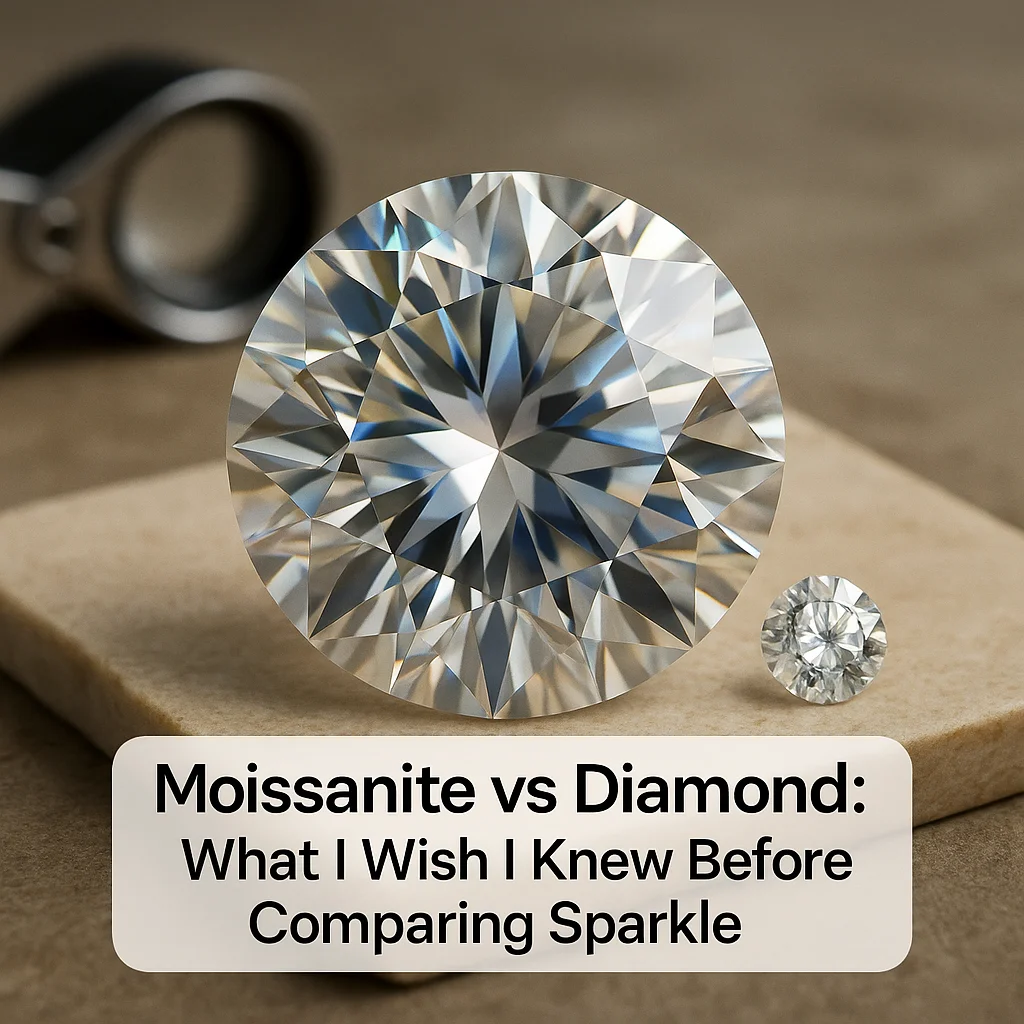
Examining the nuances is crucial: what makes one sparkle more or has a richer lore? The reality is often less polished than the marketing. Without a buyer’s guide, it’s easy to walk away with a stone that doesn’t match expectations.
Here’s a quick bullet list to keep your gem shopping on track:
- Look beyond the online photos for real-world sparkle.
- Verify the facts on any "certificate".
- Understand the difference between natural and lab-grown.
- Know the red flags of too-good-to-be-true pricing.
- Consider what inclusions mean for each stone.
- Differentiate between unique characteristics and market trends.
- Always check return policies before purchasing.
- Consult reputable labs or jewelers for verifications.
🧪 What Actually Makes It “Real”
The distinction between Moissanite and Diamond hinges on natural vs lab-grown vs imitation. Natural diamonds form over billions of years, while lab-grown diamonds offer the same properties without the time factor. Moissanite, often lab-created, provides a similar look but with different chemical makeup.
Understanding the gem's origin is essential. A natural stone can command higher prices, but that doesn’t always equate to superior quality. Although photos can highlight brilliance, they can't reveal material authenticity.
Papers and certificates may assert quality, but they aren't always definitive. An authentic report from a respected lab carries weight, but always approach with scepticism when validity seems exaggerated.
🔍 My Buyer Checklist (Step by Step)
- If unsure about authenticity, seek a reputable lab evaluation.
- Confirm if the gem is natural or lab-grown based on your priorities.
- Evaluate the cut: it significantly impacts appearance.
- Inspect for inclusions under proper lighting.
- Review any surface treatments that may affect longevity.
- Ask for clarity and color grades from trusted sources.
- If price significantly undercuts market rates, investigate reasons.
- Ensure the store's return policy is fair and clear.
- If a perfect diamond is claimed, verify with a second opinion.
- Recognize differences in hardness and durability needs.
- Consider allure: romance vs reality of stone inclusions. >
This checklist is a guideline, not a rulebook. Approach each buying opportunity individually, applying steps to alleviate concerns—not amplify them.
⚠️ Mistakes People Make (And the Fix)
- Assuming all certificates are equal. Ensure a credible source evaluates the gem.
- Neglecting the effect of lighting. View the stone in diverse lighting conditions.
- Overlooking return policies. Confirm terms before finalizing the purchase.
- Trusting a flawless appearance. Obvious perfection can indicate imitation.
- Letting price alone dictate decisions. Cross-reference with market expectations.
- Being swayed by a brand name. Prioritize stone quality over marketing.
- Failing to understand treatment impacts. Inquire if treatments affect durability.
- Ignoring surface coatings. Be aware of how coatings can alter appearance.
- Underestimating online vs in-store differences. Always try to see real examples.
- Buying under pressure. Take your time to verify before deciding.
🎨 Look & Red Flags That Matter
Both Moissanite and Diamond can display stunning beauty or reveal noticeable flaws. Lighting plays a massive role in how each gem sparkles. Bright lights may enhance brilliance but can mask underlying features.
The cut is crucial, affecting how light interacts with the gem. Skilled cutting enhances symmetry and brightness, while poor cuts result in dull stones. Examine polish and inclusions, as they’re natural in diamonds but vary widely.
Treatments like surface coatings or dyes may be common in some gem markets but investigate their long-term effects. A stone’s longevity without losing luster depends on these factors.
🧼 Care & Storage (Safe Defaults)
- Do clean with mild soap, warm water, and a soft cloth.
- Don’t use abrasive cleaners or rough materials that can scratch.
- Do store separately to prevent accidental scratches.
- Don’t expose to harsh chemicals or excessive heat.
- Do rinse thoroughly after cleaning to remove residues.
- Don’t rely on ultrasonic cleaners for unknown treatments.
- Do maintain regular checkups with your jeweler.
- Don’t forget the specific needs of any treatments applied.
- Do consider the stone’s hardness when storing.
- Don’t ignore signs of wear or damage; address them promptly.
- Do be aware of gem variability; some require special considerations.
- Don’t handle with dirty hands; oils can affect brilliance. >
🧾 What Certificates Can (and Can’t) Prove
Certificates, when from reputable labs, offer critical insights into a gem's qualities, like cut, clarity, and carat. They verify claims of authenticity and provide a benchmark for comparison.
Nevertheless, sellers may exaggerate quality metrics, showing optimized characteristics that may not reflect the stone’s true value. Thus, it's crucial to cross-examine certificates with independent assessments.
Certification is worthwhile, especially for high-value gems, as it assures that the stone meets industry standards. Trustworthy documentation supports informed decisions and peace of mind.
❓ Quick Questions Buyers Ask
Q: Can Moissanite pass as a Diamond?
A: Sometimes in small sizes, but trained eyes or tools can verify differences.
Q: Is lab-grown inferior?
A: No, lab-grown stones exhibit identical qualities to natural counterparts.
Q: Do Moissanites or Diamonds sparkle more?
A: Moissanites generally exhibit more fire and brilliance in certain lights.
Q: Are certificates needed for Moissanite?
A: While less common, certificates clarify authenticity and quality insights.
Q: Will either stone change color over time?
A: Properly cared for, neither should change color, but treatment matters.
Q: How do I spot a treated gem?
A: Look for color inconsistencies; certifications also highlight treatments.
Q: Are inclusions bad?
A: Inclusions are natural; understand how they affect clarity and preference.
Q: How often should I clean my stone?
A: Regular cleaning every few weeks ensures lasting brilliance and hygiene.
📌 If You Only Remember 5 Things
- The source of a gem affects its value but doesn't always reflect quality.
- Lighting significantly alters perception; always inspect in varied conditions.
- Certificates provide insights but verify from independent, reputable sources.
- Avoid rash decisions; take your time and verify claims first.
- Careful storage and cleaning ensure longevity and sparkling appearance. >