💎 Lapis Lazuli
🪨 What It Is
Lapis Lazuli is a deep-blue metamorphic rock that has been highly prized for its vivid color and historical significance. It is not a single mineral, but a rock composed mainly of lazurite, along with other minerals like calcite and pyrite.
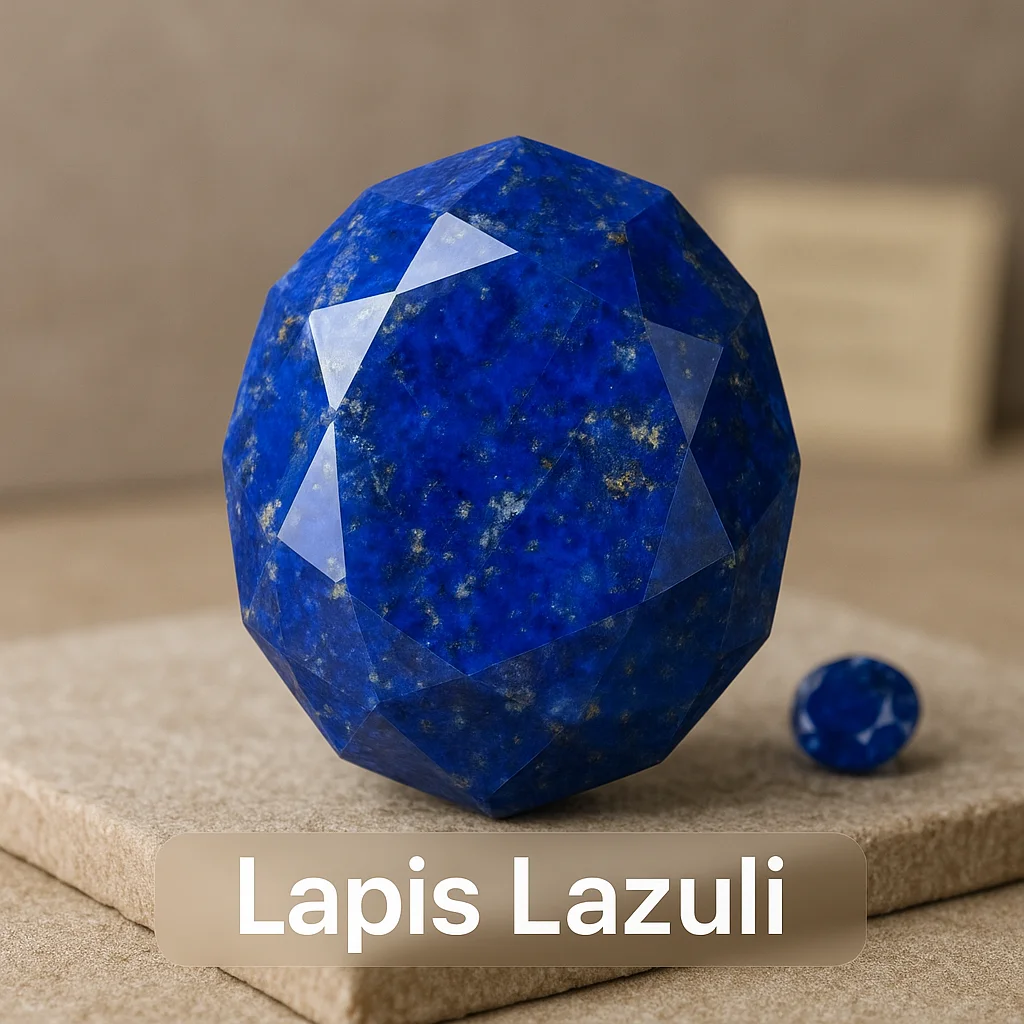
This captivating stone has been used in jewelry, carvings, and as a pigment for millennia, making it one of the most iconic materials in both ancient and modern art. Known for its striking color, Lapis Lazuli is also a popular choice for decorative items and gemstones in jewelry.
In this article, you'll learn about the appearance, properties, origins, value, care, and buying tips related to Lapis Lazuli. We'll explore its unique characteristics and provide practical guidance for those interested in incorporating this gemstone into their collection or jewelry.
🌍 Where It Comes From
Lapis Lazuli is primarily found in metamorphic environments, where heat and pressure transform rock materials over extended periods. Notably, the stone is found in contact metamorphic areas, where limestone or marble is altered by proximity to igneous intrusions.
Historically, the most famous source of Lapis Lazuli is the Sar-e-Sang mines in the Badakhshan province of Afghanistan, where it has been mined for over 6,000 years. Other notable sources include Chile, Russia, and parts of the United States, particularly in California.
Origin can significantly affect the stone's color and clarity, impacting its market value. For example, stones from Afghanistan are renowned for their intense blue color and minimal calcite, making them highly desirable.
🔬 How It Forms
The formation of Lapis Lazuli involves complex geological processes where limestone or dolomite transitions to marble through metamorphism. This process, driven by heat and pressure, facilitates the growth of lazurite and associated minerals that contribute to the stone's unique blue hue.
The characteristic blue color of Lapis Lazuli is primarily due to the presence of the mineral lazurite, which forms under specific conditions involving sulfur. Calcite and pyrite inclusions introduce subtle variations and may appear as white or metallic flecks.
Lapis Lazuli typically occurs in granoblastic mass formations and may appear as small crystals interspersed within host rocks, contributing to the rock's overall appearance and color palette.
🎨 Color and Look
Lapis Lazuli is best known for its intense blue color, which ranges from deep azure to a lighter, more violet shade. The presence of calcite can lighten its color, while pyrite can add a desirable sparkle reminiscent of stars in the night sky.
The appearance of Lapis Lazuli can be influenced by how it is cut and polished. A high polish can enhance its luster, making the blue color more vibrant. It is often cut into cabochons, beads, and inlays, highlighting the stone's natural patterns.
To enhance or stabilize color, some Lapis Lazuli may be treated with dyes or waxes. These treatments are common in the industry but should be disclosed to the buyer, as they can affect how the stone is cared for.
🧪 Properties That Matter
Lapis Lazuli has a Mohs hardness of around 5 to 5.5, which means it is relatively soft compared to other gemstones. This requires careful handling, especially when set in jewelry that faces daily wear, such as rings.
The stone has a relatively low toughness, making it susceptible to chipping or fracturing under stress or impact. It does not have cleavage, but it can fracture unevenly, so extra caution is advised during setting or cleaning.
Lapis Lazuli exhibits a vitreous to dull luster, depending on its polish and content of calcite or other minerals. Its unique combination of colors and patterns make it a favored choice for occasional pendants or earrings rather than items subject to everyday wear.
✨ Meanings, Birthstones, and Culture
Throughout history, Lapis Lazuli has been traditionally associated with wisdom, truth, and royalty, often used in ancient rituals and ceremonies. In many cultures, it was believed to provide protection and enhance one's insight.
While not officially a modern birthstone, Lapis Lazuli has historically been linked to December, aligning it with the zodiac sign Sagittarius. Its rich symbolism has maintained its popularity in various cultural practices and jewelry designs.
In contemporary jewelry, it continues to be celebrated for its unique color and storied past, often found in artisanal pieces that pay homage to its historical significance.
🧼 Care and Cleaning
For safe cleaning, Lapis Lazuli should be gently cleansed using mild soap and lukewarm water, avoiding prolonged soaking that could affect its surface treatments. It is advisable to use a soft cloth for drying and polishing.
Avoid harsh chemicals and ultrasonic cleaners, as these can damage the stone. Because Lapis Lazuli is porous, exposure to water or oils for extended periods should be minimized to prevent discoloration or damage.
When storing Lapis Lazuli, it should be kept separated from harder gemstones to prevent scratching, ideally in a soft pouch or lined jewelry box compartment.
🛒 Buying Tips and What to Check
The value of Lapis Lazuli is largely dependent on its color, with deep, uniform blue stones fetching higher prices. Clarity, or the lack of visible inclusions like calcite and pyrite, also plays a crucial role in determining quality.
When purchasing Lapis Lazuli, inquire about any treatments that may have been applied to enhance its appearance. High-value stones should ideally come with a lab report that verifies their authenticity and any treatments.
For online purchases, review seller reputation, check for clear photos, and ensure a reasonable return policy. Disclosure of any treatments should be transparent, and certificates of authenticity are recommended for significant investments.
⚠️ Real vs Fake and Common Look-Alikes
Natural Lapis Lazuli is occasionally mimicked by synthetic or imitation materials. Common imitations include dyed jasper or howlite, as well as glass or plastic replicas, which can resemble the stone's vivid blue appearance.
Synthetic stones are laboratory-created but have the same chemical properties as natural stones. Imitations, on the other hand, merely replicate appearance without the same composition or durability.
Distinguishing genuine Lapis Lazuli from look-alikes typically requires professional evaluation, as visual inspections alone may be insufficient for accurate identification.
❓ Common Questions and Misconceptions
Is it a mineral or a rock? - Lapis Lazuli is a rock composed of several minerals, primarily lazurite.
Is it a birthstone? - While not a modern birthstone, it has historical associations with December.
Will it scratch easily? - With a hardness of 5-5.5, it is prone to scratching, especially by harder materials.
Can it go in water? - Short exposure is okay, but prolonged contact should be avoided due to porosity.
Does color fade in sunlight? - Extended sunlight exposure can lead to fading, so it should be stored carefully.
What treatments are common? - Dyes or waxes are common to enhance color or luster.
Is lab-grown 'fake'? - Lab-grown stones are not fake; they share properties with natural stones, but originate in a lab.
How do I store it safely? - Store separately in a padded container to avoid scratches.
Do inclusions always lower value? - Not always; pyrite in Lapis Lazuli is often considered visually appealing.
How do I pick a good one for jewelry? - Look for consistent color, minimal visible calcite, and inquire about treatments.
📌 Summary
- Lapis Lazuli is a deep-blue metamorphic rock valued for its color and history.
- Typical colors include intense azure blue, affected by calcite and pyrite inclusions.
- Forms during contact metamorphism under heat and pressure conditions.
- Has a Mohs hardness of 5-5.5, suitable for occasional wear.
- Common treatments include dyes and waxing to enhance appearance.
- Cleaning involves mild soap, water, and soft cloths; avoid harsh chemicals.
- Best used in pendants and earrings rather than everyday rings.
- Look-alikes include dyed materials and synthetics; professional testing advised.
- Authenticity confirmed through lab reports and reputable sellers.
- Buying checklist: look for uniform color, minimal inclusions, and ask about treatments.
- Associated with December in historical contexts, rich in cultural symbolism.
- Remember: Its beauty lies in its vivid blue and storied legacy, captivating generations.