💎 Sapphire
🪨 What It Is
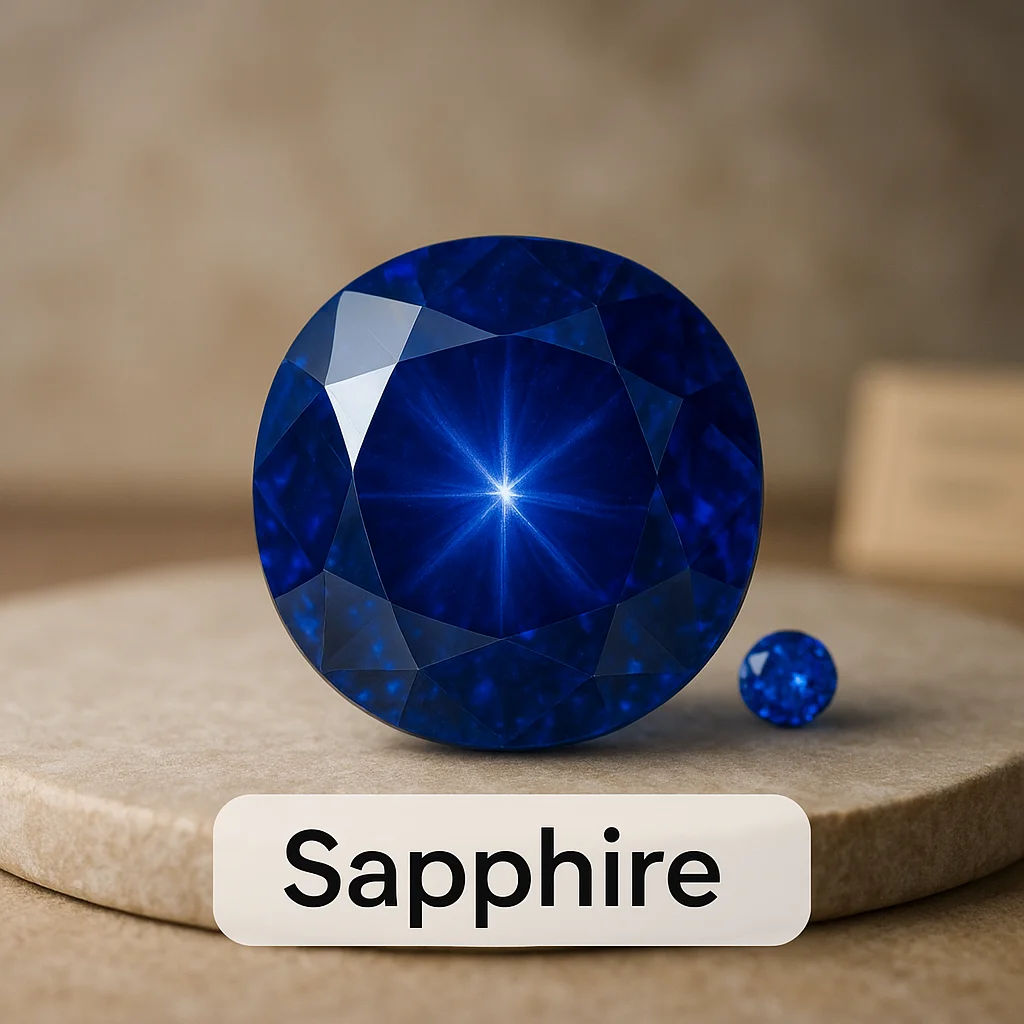
Sapphire is a variety of the mineral corundum, known for its rich blue hues, though it can occur in many colors except red, which is classified as ruby. As a prominent birthstone, sapphire represents September and is cherished for its beauty and durability in jewelry. This article will offer insights into sapphire's appearance, properties, formation, care, and tips for purchasing wisely.
When considering sapphires, it's essential to understand the factors that affect their value and appearance. Properties like color, clarity, and origin play a significant role in determining a sapphire's overall appeal. Additionally, understanding the treatments that enhance or alter their appearance is crucial for any buyer.
This guide aims to provide a comprehensive understanding of sapphires, equipping you with knowledge about their geological formation, cultural significance, and practical advice for maintaining and purchasing these stunning gemstones.
🌍 Where It Comes From
Sapphires form in metamorphic and igneous rocks, often as a result of high pressure and temperature conditions. These gemstones can be found in a variety of geological settings and are frequently associated with regions rich in other minerals like feldspar and mica.
The most celebrated sources of sapphires are in parts of Sri Lanka, Myanmar, and Madagascar, where the geological conditions are ideal for their formation. The geographic origin can influence a sapphire's color and clarity, which in turn impacts its market value.
Though sapphires can be found around the world, each region's unique conditions can produce gemstones with varying characteristics. Understanding a sapphire’s origin can offer clues about its color saturation and quality, making geographic awareness a useful tool for buyers.
🔬 How It Forms
Sapphires are formed deep within the Earth under conditions of intense heat and pressure. Over time, corundum crystals develop from the cooling of magma or the alteration of minerals in metamorphic rocks. The presence of trace elements such as iron and titanium influences the color of sapphires, with their typical blue shade resulting from these specific impurities.
The crystals often grow slowly over long periods, assuming hexagonal shapes in their pure form. In nature, sapphires can be found as well-formed crystals or as worn pebbles in secondary deposits, having been transported by water from their original location.
🎨 Color and Look
Sapphire is most commonly associated with its signature blue color, ranging from vibrant royal blue to deeper navy tones. However, it can be found in a spectrum of colors including pink, yellow, green, and even colorless, with each variety caused by different trace elements.
The appearance of a sapphire is influenced by its cut and polish, which can enhance its brilliance and luster. Common treatments include heat, which is used to improve color and clarity, though such treatments must be disclosed to potential buyers.
Optical phenomena like asterism—where stars appear on the surface—are also seen in star sapphires, adding unique character to these stones. The cut of the stone is vital in showcasing these effects, and careful crafting can maximize the beauty of each piece.
🧪 Properties That Matter
Sapphire ranks at 9 on the Mohs scale of hardness, making it one of the hardest gemstones available, second only to diamonds. This high scratch resistance is ideal for everyday jewelry use. However, toughness, or the resistance to chipping, is moderate, so care is needed to avoid sharp impacts.
Sapphires exhibit a vitreous luster and are typically transparent to translucent. The lack of cleavage, meaning it doesn't split easily along flat surfaces, makes sapphires more resilient in high-impact settings like rings.
For regular wear, a sapphire ring can endure daily activities, while earrings or pendants offer additional safety from knocks and hits.
✨ Meanings, Birthstones, and Culture
Traditionally, sapphires have been associated with wisdom, nobility, and divine favor. As the birthstone for September, they are believed in folklore to bring protection and peace to the wearer.
Sapphires are often used in engagement rings, symbolizing loyalty and sincerity. Their deep blue color especially evokes feelings of calm and confidence, making them a popular choice for meaningful jewelry pieces.
While many of these associations stem from historical beliefs, it's important to view them as cultural traditions rather than empirical findings.
🧼 Care and Cleaning
To clean a sapphire, use a gentle combination of warm water and mild soap, along with a soft cloth to wipe away dirt and oils. Avoid using harsh detergents or ultrasonic cleaners, particularly on heat-treated stones, as these can damage the gem.
Store sapphires separately from other gemstones to prevent scratches. Consider a padded jewelry box or soft cloth pouch for safe storage.
While sapphires are durable, avoid exposing them to sudden temperature changes or long periods in direct sunlight, which could potentially affect their appearance.
🛒 Buying Tips and What to Check
When buying sapphires, key factors include color, clarity, cut, and carat weight, often summarized as the “Four Cs”. A vivid, uniform color is most desirable, while any inclusions or flaws can reduce the stone's value.
Always inquire about treatments, as these affect the stone's durability and value. High-quality sapphires often come with a gemological report detailing any enhancements.
For online purchases, check seller reputation, examine clear photos, and review return policies to ensure a secure transaction. Asking for certification from reputable laboratories like GIA or AGL can provide additional assurance of authenticity.
⚠️ Real vs Fake and Common Look-Alikes
Natural sapphires are mined and polished, whereas synthetic sapphires are lab-grown with identical chemical and physical properties to their natural counterparts. While synthetic sapphires are not fake, they typically hold less market value.
Imitation sapphires, like glass or colored plastics, mimic the appearance but not the properties of true sapphires. Doublets and triplets are assembled stones creating a sapphire-like appearance with thin layers of genuine sapphire combined with other materials.
Common look-alikes include blue topaz, tanzanite, and iolite. Professional gemological tests can confirm authenticity, as testing at home may lead to inaccurate results.
❓ Common Questions and Misconceptions
Is it a mineral or a rock? Sapphire is a mineral, specifically a variety of corundum.
Is it a birthstone? Yes, sapphire is the birthstone for September.
Will it scratch easily? No, with a Mohs hardness of 9, sapphire is very scratch-resistant.
Can it go in water? Yes, sapphire can safely be submerged in water for cleaning.
Does color fade in sunlight? Prolonged exposure to intense sunlight should be avoided to prevent potential fading.
What treatments are common? Heat treatment is the most common, improving both color and clarity.
Is lab-grown 'fake'? Lab-grown sapphires are not fake; they are chemically identical but less valuable than natural ones.
How do I store it safely? Store sapphires carefully, avoiding contact with harder stones to prevent scratches.
Do inclusions always lower value? Not always; minor inclusions may not affect value, while significant ones can reduce it.
How do I pick a good one for jewelry? Choose based on color intensity, clarity, and cut, ensuring any treatments are disclosed.
📌 Summary
- Sapphire is a mineral variety of corundum.
- Most known for its blue color but can appear in multiple hues.
- Forms under high pressure and temperature from volcanic activity.
- Valued for its durability, brilliance, and lack of cleavage.
- Heat treatment is common, enhancing color and clarity.
- Clean with soap and water, store away from harder stones.
- Ideal for rings, earrings, and pendants due to toughness.
- Common imitators include glass or lower-value gemstones.
- Authenticity verification often requires professional analysis.
- Ensure certificates and understand the Four Cs when buying.
- September birthstone with rich cultural symbolism.
- A durable, valuable gemstone representing wisdom and nobility.