💎 Sunstone
🪨 What It Is
Sunstone is a type of feldspar gemstone known for its glittering appearance, which can range from pale orange to deep red or brown. It is a variety of minerals including orthoclase and oligoclase, and owes its name to its brilliant reflections that resemble the sun. As a popular jewelry stone, sunstone is appreciated for its captivating shimmer and warm hues.
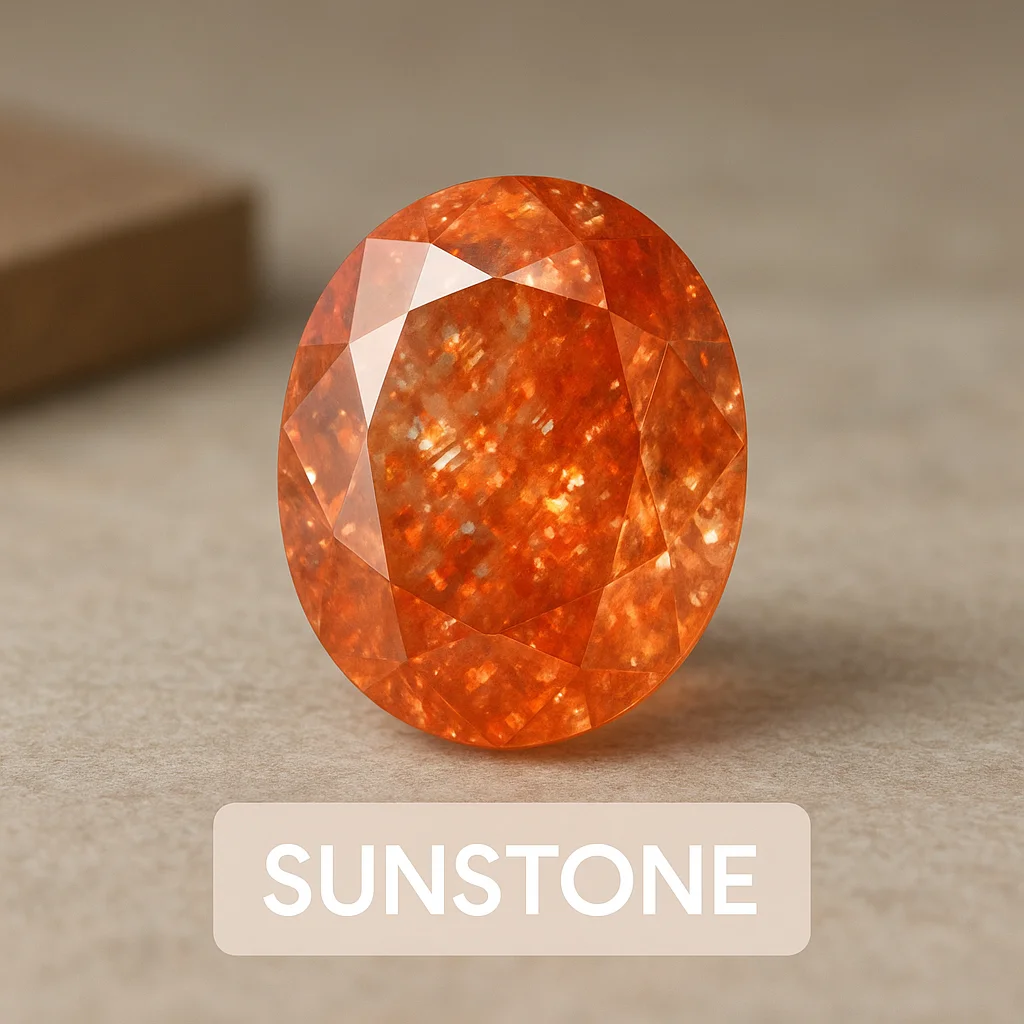
This beginner-friendly guide will explore sunstone's appearance, origins, formation, and properties. We'll also delve into cultural meanings and provide practical tips for care and purchase, helping you make informed decisions when adding this dazzling gemstone to your collection.
In the following sections, you'll discover how sunstone forms in nature, what gives it its unique look, and how to care for it to maintain its brilliance over time. Whether you are new to gemstones or looking to expand your knowledge, this guide is crafted to provide a comprehensive introduction to sunstone.
🌍 Where It Comes From
Sunstone forms in igneous rocks such as granite, and it is often found within mineral-rich pegmatites. These geological settings typically provide the right conditions for minerals like feldspar to crystallize and create sunstone's distinctive shimmer, known as aventurescence.
Prominent sunstone deposits are located around the world, with significant sources found in countries like Norway, the USA, especially in Oregon, and India. Each region may produce sunstones with subtle differences in appearance and inclusions, affecting their value and appeal to gem enthusiasts.
The origin of a sunstone can influence its market reputation. For instance, Oregon sunstones are particularly prized for their rich, coppery tones and transparency. However, regardless of origin, the key attraction remains their eye-catching sparkle, making them a favorite among gemstone collectors and jewelry designers alike.
🔬 How It Forms
Sunstone forms under the influence of high temperatures and pressures within the Earth's crust. As molten rock cools, minerals such as feldspar begin to crystallize. In the case of sunstone, this process includes the incorporation of small plate-like inclusions, often copper, which create the stone’s signature glittering effect.
The element of color in sunstone is primarily due to these tiny inclusions that reflect light in a phenomenon called aventurescence. Depending on the type and density of inclusions, sunstones can display colors ranging from pale yellow and orange to deep red or green.
Sunstone typically appears as individual crystals within larger rock formations. It may also be found alongside other gem-quality feldspar varieties such as moonstone and labradorite, adding to its geological allure.
🎨 Color and Look
Sunstone is cherished for its warm, glowing colors that can range from pale yellow and orange to reddish-brown. Its most distinctive feature is the aventurescence, or shimmering effect, caused by light reflecting off minuscule metallic inclusions. This effect can be observed as a dynamic glimmer that changes with the angle of view.
The appearance of sunstone is also influenced by its cut and polish. Expertly cut stones maximize the play of light across the surface, enhancing their natural beauty. Transparency varies, with some sunstones being nearly opaque and others translucent, affecting the perceived depth of color and brilliance.
While sunstone is usually untreated, there may be instances of heat treatment to enhance or alter its color. It is important for buyers to inquire about any treatments to fully understand the value and durability of their sunstone.
🧪 Properties That Matter
The Mohs hardness of sunstone is around 6 to 6.5, indicating moderate scratch resistance suitable for jewelry, but care should be taken to avoid hard knocks or abrasive conditions. Its toughness can be described as fair, meaning it might chip or crack with rough handling.
Sunstone has a cleavage that can show how the stone might break along certain planes while possessing a vitreous to pearly luster, which contributes to its appealing shine. These properties make it a popular choice for pendants, earrings, and less exposed ring settings.
When considering sunstone for daily wear, one should note its relative softness compared to harder stones like diamonds or sapphires. It is best suited for occasional wear and less exposed settings to maintain its integrity and appearance over time.
✨ Meanings, Birthstones, and Culture
While sunstone is not traditionally recognized as a birthstone, it holds significant cultural symbolism. It is traditionally associated with warmth, vitality, and positive energy. Many cultures view sunstone as a symbol of optimism and strength, attributing it with the power to bring joy and happiness.
In modern jewelry practice, sunstone's enchanting shimmer makes it a popular choice for unique and personalized pieces. Its warm tones complement various metals and gems, making it versatile for fashion-forward designs.
As with many gemstones, interpretations and beliefs about sunstone's influence often depend on cultural backgrounds and personal experiences. It is essential to recognize these as part of its rich tradition, rather than scientific fact.
🧼 Care and Cleaning
Caring for sunstone involves gentle methods to preserve its beauty and brilliance. Cleaning with lukewarm water and mild soap is recommended, followed by a soft cloth to dry. Avoid harsh chemicals and ultrasonic cleaners, as they can damage the stone.
Sunstone should not be exposed to sudden temperature changes or long soaking periods, as these conditions may lead to structural weaknesses or damage. Proper storage, such as individual soft bags, helps prevent scratches when not wearing or using the stone.
For sunstones that may have been treated, additional care may be necessary to ensure longevity. Consulting with a professional whenever in doubt about cleaning or maintenance can safeguard your sunstone jewelry for years to come.
🛒 Buying Tips and What to Check
Important factors influencing sunstone's price and quality include color saturation, clarity, aventurescence, and origin. Richer colors, clearer stones, and prominent inclusions enhance desirability and value.
When purchasing, it is advisable to ask retailers about any treatments the stone may have undergone. For high-value purchases, obtaining a laboratory report that validates the authenticity and characteristics can be beneficial.
For online buying, ensure clear photos, a solid return policy, and reputable seller feedback are available. The presence of disclosure insights on any enhancements or authenticity certifications is also vital when choosing the perfect sunstone piece.
⚠️ Real vs Fake and Common Look-Alikes
Distinguishing natural sunstones from synthetic or imitation versions can be challenging without professional guidance. Lab-grown stones may mimic natural features but lack distinct geological characteristics observed under magnification.
Imitation stones, often glass or plastic, attempt to replicate sunstone’s shimmer but typically do not capture the true aventurescence and lustrous depth. Assembled stones like doublets or triplets may use a thin layer of genuine sunstone over other materials to create a similar appearance.
The expertise of a trained gemologist is essential in confirming authenticity, as they utilize tools and tests to provide accurate identification. Always consult with experts rather than attempting risky home tests that can lead to damage or misleading results.
❓ Common Questions and Misconceptions
Is it a mineral or a rock? Sunstone is a mineral, specifically a variety of feldspar.
Is it a birthstone? Sunstone is not officially a birthstone but has cultural significance associated with positivity and vitality.
Will it scratch easily? With a Mohs hardness of 6 to 6.5, sunstone is moderately resistant to scratches but should be treated carefully.
Can it go in water? Brief cleaning with water is safe, but avoid prolonged soaking and sudden temperature changes.
Does color fade in sunlight? Sunstone's color is stable, but prolonged exposure to intense sunlight may cause slight fading over time.
What treatments are common? Sunstone is usually untreated, but inquire about heat treatments that may enhance color.
Is lab-grown "fake"? Lab-grown sunstones have the same chemical composition but are not formed naturally, classifying them differently.
How do I store it safely? Store sunstone in a soft, separate pouch to protect it from scratches and impacts.
Do inclusions always lower value? Inclusions may sometimes enhance value if they contribute to desirable effects like aventurescence.
How do I pick a good one for jewelry? Seek stones with prominent shimmer, vibrant color, and good overall transparency for the best jewelry pieces.
📌 Summary
- Sunstone is a feldspar mineral known for its aventurescence.
- Colors range from pale yellow and orange to deep red.
- Forms in igneous rocks, primarily through feldspar crystallization.
- Moderate hardness and fair toughness; suited for pendants and earrings.
- Generally untreated, but heat treatment may occur.
- Gentle cleaning with mild soap and water, avoid harsh chemicals.
- Best used in less exposed jewelry settings like pendants.
- Common look-alikes include glass and plastic imitations.
- Authenticity is confirmed through professional testing.
- Buying tips include verifying origin and asking about treatments.
- Cultural significance emphasizes positivity and vitality.
- An intriguing gemstone celebrated for its warm glittering appearance.