💎 Amber Baltic
🪨 What It Is
Amber Baltic is not your typical gemstone. It is an organic gem, which means it is formed from natural substances rather than minerals or rocks. This unique category makes it particularly special among collectors and jewelry enthusiasts. Known for its striking color and fascinating inclusions, Amber Baltic has captivated humans for centuries.
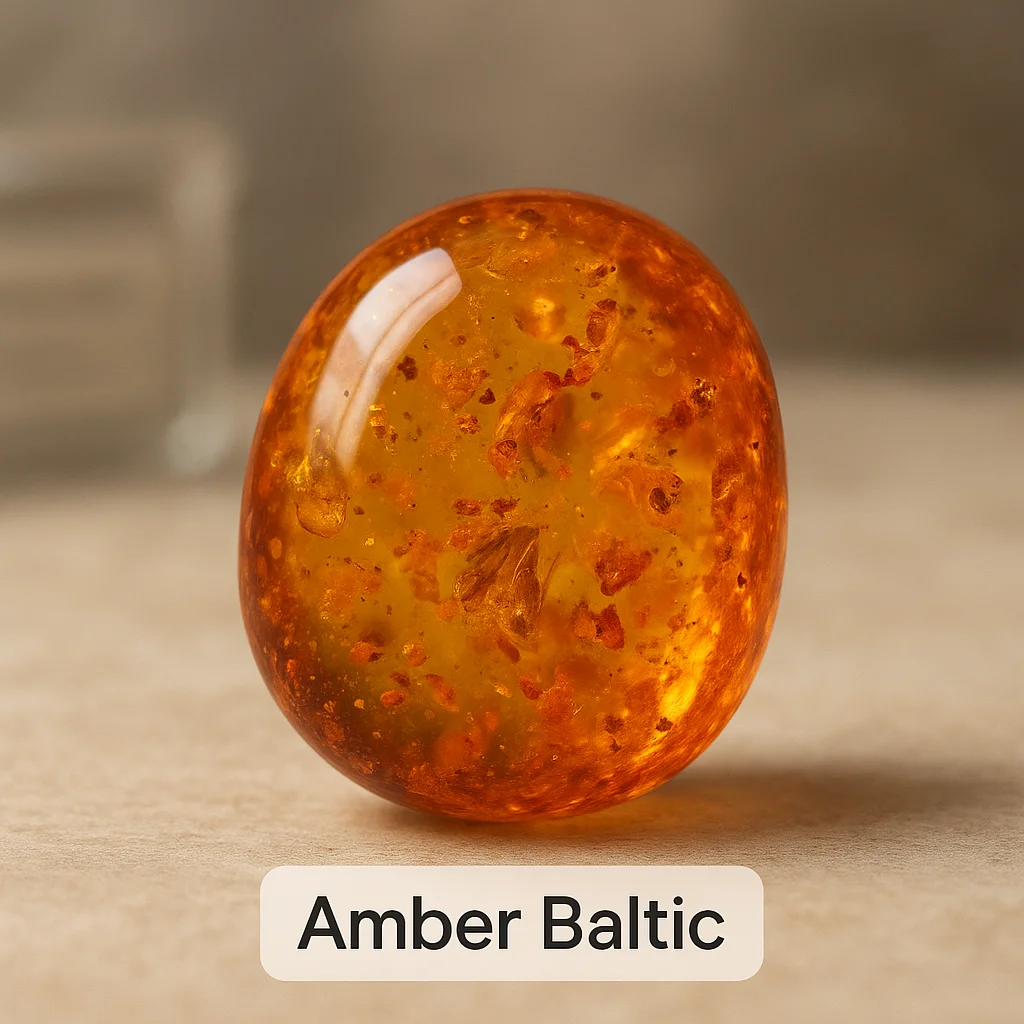
Often used in jewelry, it is popular for its warm hues and unique historical richness. While it isn't designated as a traditional birthstone, its associations with nature and history make it a fascinating choice for collectors and anyone interested in organic gems.
In this guide, we'll explore Amber Baltic's appearance, properties, origin, and tips for care and buying. You’ll learn how to distinguish it from other materials and discover what makes this organic gem unique in the world of gemstones.
🌍 Where It Comes From
Amber Baltic is found primarily along the coasts of the Baltic Sea, one of the world's most recognized sources. It occurs naturally in sedimentary settings, where ancient forests once thrived. Over millions of years, this resin-bearing substance transitioned into the solidified form we recognize today as amber.
While Baltic regions are the most famous producers, amber can be discovered in other parts of the world including certain areas in Europe, Asia, and even the Americas. Each geographical location contributes its own distinct color and clarity characteristics to its amber.
The origin of Amber Baltic is significant as it affects its color and clarity. Geologically, the amber from this region is prized for its beautiful hues, often described as golden to reddish-brown. Understanding the source helps assess its market reputation and desirability among collectors and jewelers.
🔬 How It Forms
The formation of Amber Baltic begins with the resin of ancient trees, particularly conifers. Over time, this resin hardens and undergoes a process of polymerization, where smaller molecules join together to create a solid substance. As layers of sediment build over the resin, the rising pressure and fluctuating temperatures facilitate its transformation into amber.
This process can take anywhere from a few million to several hundred million years, resulting in the hardened, sometimes transparent material we recognize today. The presence of inclusions, such as trapped insects or plant matter, is a frequent occurrence and adds to the gem's allure and historical intrigue.
The shades of Amber Baltic can be explained by natural oxidation and changes in environmental conditions over time, often resulting in the gem's signature warm, honey-like color.
🎨 Color and Look
The typical colors of Amber Baltic span from golden yellow to deep reddish-brown. These warm tones make it an alluring choice for jewelry. Some pieces may exhibit a greenish hue or even rare shades like blue, depending on the specific environmental conditions under which they formed.
Inclusions within Amber Baltic often give it a mesmerizing appearance, showcasing ancient plant matter or insects. These natural features not only add to its beauty but also provide a unique glimpse into prehistoric ecosystems.
While amber is generally left untreated, some enhancements like heating or dyeing can alter its color. This approach is common in the market, so it's crucial for buyers to inquire about potential treatments.
🧪 Properties That Matter
Amber Baltic has a Mohs hardness of around 2 to 2.5, which means it is relatively soft and can scratch easily compared to many gemstones. This lower scratch resistance suggests it is better suited for pendants or earrings rather than rings.
Its toughness or ability to withstand chipping is moderate, and it possesses a natural fracture tendency. The luster of amber is often described as resinous or slightly waxy, contributing to its warm glow.
Due to its organic nature and lower hardness, Amber Baltic requires careful handling. For those who appreciate its historic charm, this gem offers a unique beauty worthy of the extra care and attention.
✨ Meanings, Birthstones, and Culture
Although Amber Baltic is not a traditional birthstone, it holds significant cultural symbolism. Historically, it has been associated with sunlight and warmth. Many cultures have connected it to healing and protection, though such uses are based on folklore rather than science.
In modern jewelry, it is prized for its natural beauty and historical essence. Amber Baltic often stands as a symbol of timelessness and nature's artistry, a perfect conversation piece in personal collections or as a gift.
The deep cultural roots of Amber Baltic make it not just a gem, but a piece of history that can be appreciated for its natural connection and storied past.
🧼 Care and Cleaning
When caring for Amber Baltic, gentle methods are essential. It is best cleaned using mild soap and water, followed by drying with a soft cloth. Avoid exposing it to harsh chemicals, which can damage its surface.
Avoid prolonged exposure to heat and sudden temperature changes, as these can cause cracking. It's important to remember that amber reacts to solvent exposure, so lotions and perfumes should be applied before wearing amber jewelry.
Store Amber Baltic separately from other harder gemstones to prevent scratches. Use a soft pouch or cloth to protect it from dust and abrasion, ensuring it retains its luster over time.
🛒 Buying Tips and What to Check
When selecting Amber Baltic, consider factors like color, clarity, and size. The most desirable pieces have a clear, vibrant color and minimal inclusions unless you specifically value that feature. The origin might also influence its appeal, with Baltic amber often fetching higher prices due to its esteemed reputation.
Inquire about any enhancements or treatments performed on the amber as this could affect its value. If you're investing in a high-value piece, requesting a lab report can confirm its authenticity and treatments.
For online purchases, ensure you view multiple photos, verify the seller's return policy, and check their reputation. Detailed descriptions of the amber's quality and any potential treatment are key indicators of a trustworthy transaction.
⚠️ Real vs Fake and Common Look-Alikes
Distinguishing natural Amber Baltic from synthetic or imitation versions involves understanding a few key differences. While natural amber is fossilized resin, synthetic counterparts, such as "pressed amber" or "copal," result from laboratory processes designed to mimic the original's appearance.
Imitation amber, often made from glass or plastic, can closely resemble the real thing but lacks the gem's natural inclusions and warm feel. Assembled stones, or doublets/triplets, may consist of a thin amber layer atop a base material.
Professional lab testing is crucial for accurate identification and should be preferred over home experiments, which can be misleading and damage genuine amber.
❓ Common Questions and Misconceptions
Is it a mineral or a rock? It is an organic gem, not a mineral or rock.
Is it a birthstone? Amber Baltic is not a traditional birthstone.
Will it scratch easily? Yes, with a low hardness of 2 to 2.5, it is prone to scratching.
Can it go in water? Brief exposure is fine, but avoid long soaking.
Does color fade in sunlight? Prolonged exposure can fade its color, so display it carefully.
What treatments are common? Heating and dyeing may occur to enhance color.
Is lab-grown 'fake'? Yes, lab-grown versions are considered synthetic, not natural.
How do I store it safely? Use a soft pouch or cloth to protect it from scratches.
Do inclusions always lower value? Not necessarily; some rare or interesting inclusions can enhance value.
How do I pick a good one for jewelry? Look for vibrant color, clarity, and minimal surface flaws.
📌 Summary
- Amber Baltic is an organic gem from ancient tree resin.
- Typical colors range from golden yellow to deep reddish-brown.
- Formed through resin polymerization over millions of years.
- Soft, with a Mohs hardness of 2 to 2.5, suitable for earrings/pendants.
- Heat and dye are common treatments for color adjustments.
- Gentle care: mild soap, water cleaning, and soft storage.
- Best used in pendants or earrings, not rings.
- Common look-alikes include synthetic and glass imitations.
- Professional testing confirms authenticity, not home tests.
- For buying: Check color, clarity, treatment disclosure, seller reputation.
- Associated with warmth, sunlight, and historical charm in folklore.
- A timeless piece that bridges the gap between nature and history.