💎 Coral Black
🪨 What It Is
Coral Black is a type of organic gem formed from the skeletal remains of marine organisms, specifically corals that have darkened over time. Unlike traditional gemstones, which are minerals formed through geological processes, Coral Black is classified as an organic gem due to its origins in the animal kingdom.
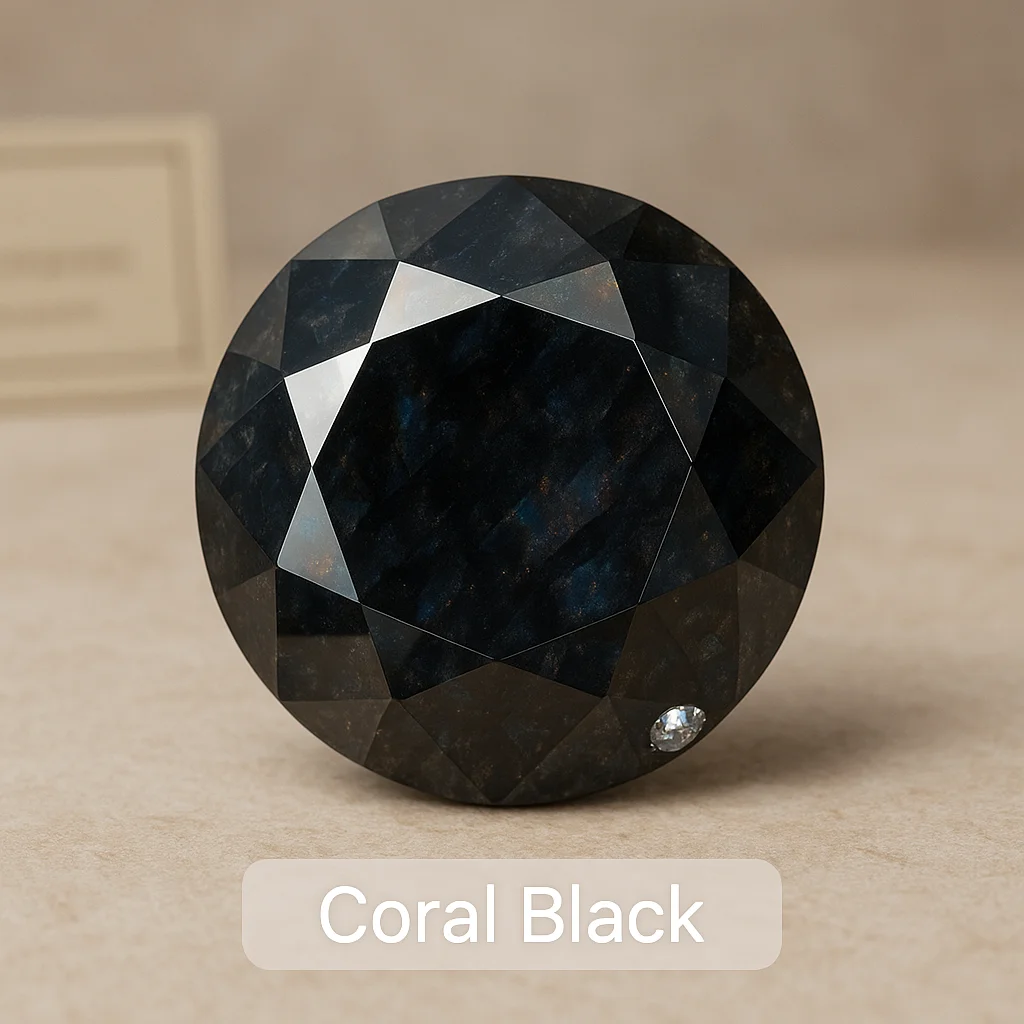
Often used in jewelry, Coral Black is appreciated for its rich, dark hues. However, it is important for beginners to understand that its organic nature gives it different properties compared to mineral gemstones. This article will explore its appearance, formation, care tips, and how to buy it wisely.
By the end of this article, you should have a clear understanding of Coral Black's properties, what influences its appearance, and the cultural significance it holds. We'll also cover the best ways to care for Coral Black jewelry and ensure you buy authentic items.
🌍 Where It Comes From
Coral Black is derived from coral reefs, which are marine environments rich in biodiversity. These reefs are typically found in warm, shallow ocean waters. Over time, corals accumulate layers of calcium carbonate, forming the structures that we recognize as coral reefs.
The color of Coral Black is influenced by the organic material and environmental factors during its formation. While not all coral becomes black, in certain conditions, such as lower light levels and specific mineral content in the water, darker coral forms can develop.
Black coral is found in various parts of the world, primarily in tropical and subtropical oceans. Some of the more notable locations for harvesting Coral Black include parts of the Pacific Ocean, such as Hawaii and the South China Sea. Different regions might yield variations in quality and appearance, influencing desirability and market value.
🔬 How It Forms
The formation of Coral Black begins with living coral polyps, small, soft-bodied organisms related to sea anemones. These polyps secrete calcium carbonate to build a hard, protective skeleton, which forms the structure of the coral reef over countless generations.
Color changes to black occur over extended periods, often due to the interaction with organic materials and specific minerals present in the ocean. The coral's exposure to environmental elements, such as depth, currents, and water chemistry, further contributes to its distinctive appearance.
While living, coral reefs can display a spectrum of colors. When conditions allow, the organic material within specific coral varieties darkens, creating the striking black color that characterizes this gem when processed and polished for use in jewelry.
🎨 Color and Look
Coral Black typically presents a deep, glossy black color, often with a subtle, natural luster. Its appearance can vary slightly based on the coral's origins and how it is finished. Some pieces may exhibit minute patterns or banding from their organic growth structure, adding unique character to each specimen.
The appearance of Coral Black is heavily dependent on how it is cut and polished. A good polish enhances its natural luster, making it a preferred choice for elegant, understated jewelry pieces. Light plays a crucial role in displaying the gem's depth of color, and proper lighting can reveal the intricate details of its surface.
Treatments to enhance Coral Black are less common than with mineral stones, but polishing and stabilizing treatments are often applied to ensure durability and improve visual appeal.
🧪 Properties That Matter
Coral Black is relatively soft, with a Mohs hardness of around 3 to 4. This means it can be easily scratched and requires careful handling, especially in daily-wear jewelry like rings. Its toughness, or resistance to chipping, can be moderate, so it's best used in protective settings.
The gemstone's cleavage, or how it breaks, is irregular due to its organic nature, meaning it doesn’t fracture cleanly like crystallized stones. Its luster is typically glossy, and although it's not transparent, its smooth finish enhances its visual appeal.
These properties make Coral Black more suited for occasional wear in pendants and earrings rather than daily rings. It offers a striking look in accessories, combining elegance with a touch of the exotic.
✨ Meanings, Birthstones, and Culture
Historically, Coral Black has been used in various cultures for decorative and symbolic purposes. It is often associated with protection and grounding, although these attributes are more traditional than scientifically proven.
While Coral Black is not assigned as a birthstone for any specific month, it holds cultural significance in regions where coral reefs are prevalent, often symbolizing a connection to the sea and a respect for marine life.
The use of Coral Black in modern jewelry continues these traditions, offering wearers a piece of the ocean's mystery and beauty.
🧼 Care and Cleaning
Caring for Coral Black jewelry involves gentle cleaning with mild soap and lukewarm water. Use a soft cloth to avoid scratching, and steer clear of harsh chemicals or abrasive materials. Avoid soaking Coral Black for long periods, as it is porous and can absorb water.
Temperature changes can also affect Coral Black, so avoid exposing it to heat or direct sunlight for extended periods to prevent damage or color alteration. Safe storage includes wrapping the piece in a soft cloth and keeping it separate from harder gemstones to prevent scratches.
Ensuring proper care will preserve the look and longevity of your Coral Black jewelry, keeping it as a cherished accessory.
🛒 Buying Tips and What to Check
When purchasing Coral Black, consider factors such as color consistency, the quality of the polish, and the craftsmanship of the piece. Origin can also play a role in value, with certain regions known for higher-quality material.
Inquiring about treatments is essential for transparency, especially if the item is priced significantly higher. High-quality pieces should ideally come with a lab report confirming their authenticity and any enhancements.
For online purchases, ensure detailed photographs are available and understand the seller's return policy. Research the seller's reputation to ensure a safe buying experience.
⚠️ Real vs Fake and Common Look-Alikes
Natural Coral Black can sometimes be confused with similar-looking materials such as dyed black agate or onyx. While both may offer a similar aesthetic, their origins and properties differ significantly.
Synthetic or lab-grown versions of Coral Black are less common due to the complex formation process of corals, but care should be taken to avoid products labeled as coral but made from entirely different materials.
Authenticity can often only be reliably confirmed through professional testing, which can distinguish natural Coral Black from imitations or synthetic substitutes. Avoid attempting risky home tests that could damage the stone.
❓ Common Questions and Misconceptions
Is it a mineral or a rock? Coral Black is an organic gem, not a mineral.
Is it a birthstone? Coral Black is not associated with any birthstone month.
Will it scratch easily? Yes, it has a low Mohs hardness, making it prone to scratches.
Can it go in water? Brief exposure is safe, but avoid prolonged soaking due to porosity.
Does color fade in sunlight? Prolonged sunlight exposure can cause fading, so it's best to avoid it.
What treatments are common? Stabilization and polishing are typical treatments to enhance durability and appearance.
Is lab-grown 'fake'? Not applicable, as lab-grown coral is rare; authenticity relies on testing.
How do I store it safely? Wrap in a soft cloth and store separately to prevent scratches.
Do inclusions always lower value? Inclusions are less relevant in Coral Black than in clear gemstones but can affect visual quality.
How do I pick a good one for jewelry? Look for consistent color, a good polish, and ask about authenticity assurances.
📌 Summary
- Coral Black is an organic gem derived from marine corals.
- It typically appears as a deep, glossy black color.
- Forms from coral polyps overextended time in marine settings.
- Features moderate hardness and toughness, best for occasional wear.
- Common treatments include polishing and stabilization.
- Clean gently with soap and water, keep from prolonged soaking.
- Ideal for pendants and earrings due to scratch susceptibility.
- Commonly confused with black-colored stones like agate or onyx.
- Professional testing confirms authenticity.
- Buyers should check color, polish, and ask about origin and treatments.
- While not a birthstone, it holds cultural significance as a marine stone.
- Remember: Coral Black offers a connection to the ocean's mystery in jewelry.