💎 Melo Melo Pearl
🪨 What It Is
The Melo Melo Pearl is a unique organic gem, distinct from traditional pearls. Unlike those from oysters and other mollusks, Melo Melo Pearls form in marine snails known as Melo volutes. These pearls are cherished for their distinctive appearance and rarity, making them a desirable item among collectors and enthusiasts.
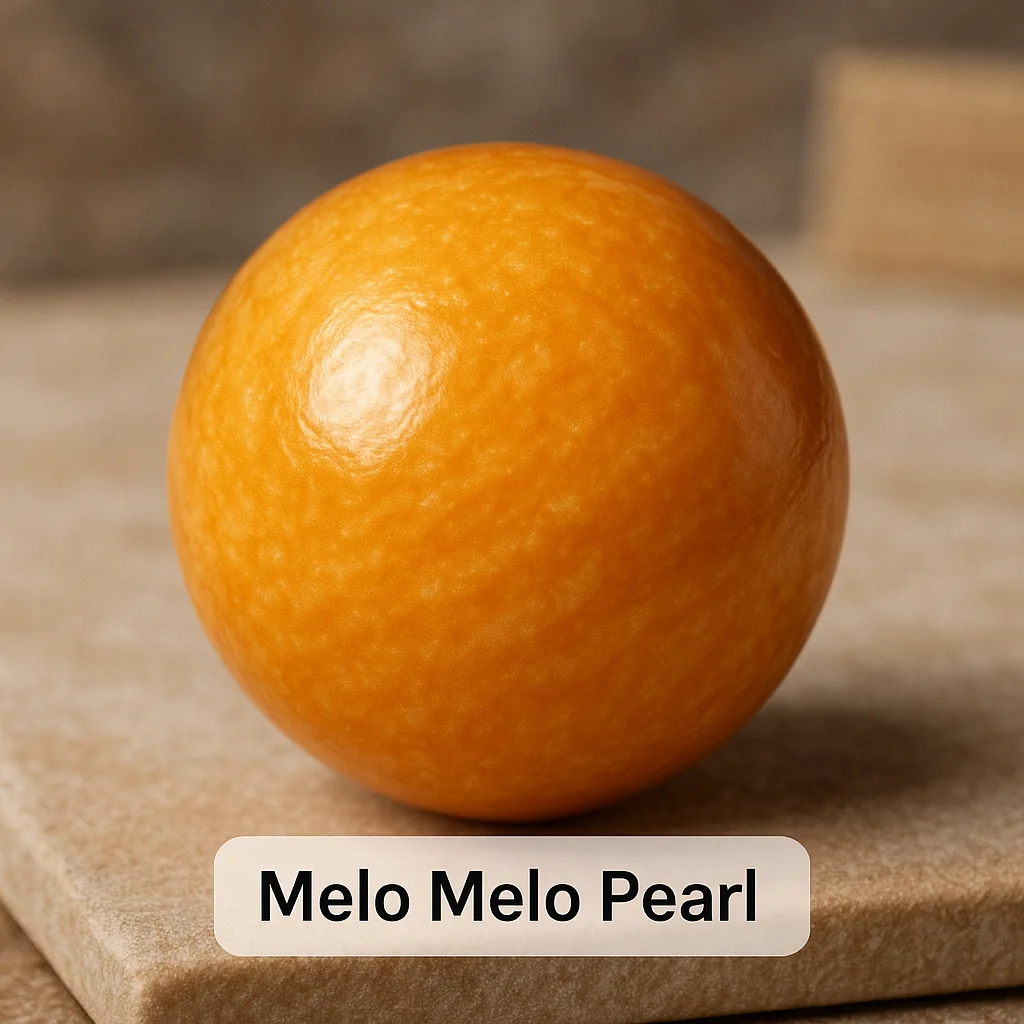
One of the defining features of a Melo Melo Pearl is its lack of nacre, the iridescent surface layer that gives traditional pearls their luster. Instead, these pearls have a porcelain-like texture that is smooth to the touch. They are not categorized as birthstones but hold popularity in the world of jewelry for their exceptional beauty and rarity.
In this article, we'll explore the characteristics, origins, and formation of Melo Melo Pearls. You'll also learn about their appearance, properties, and the best ways to care for and purchase these unique gems responsibly.
🌍 Where It Comes From
Melo Melo Pearls are found in the waters of Southeast Asia, particularly around Vietnam, Thailand, Myanmar, and the South China Sea. The Melo volutes that produce these pearls thrive in sandy sea floors and coastal areas where they can feed and grow.
The origin of a Melo Melo Pearl can influence its desirability and market value. For instance, some regions are known for producing pearls with specific colors or qualities. Buyers often seek pearls from these areas for their unique characteristics and the prestige associated with certain locales.
Because these pearls form in the wild and are exceedingly rare, their discovery is often by chance, leading to a variable and limited supply. This rarity is part of what makes Melo Melo Pearls so special and sought after on the market.
🔬 How It Forms
Melo Melo Pearls are formed inside the sea snail known as the Melo volute. The process begins when an irritant becomes trapped inside the snail. Over time, layers of calcium carbonate form around the irritant, eventually developing into a pearl.
The absence of nacre in Melo Melo Pearls means they develop a unique structure and appearance. Unlike traditional pearls, which are known for their lustrous surfaces, Melo Melo Pearls have a more subdued, yet striking appearance, with a smooth texture.
The slow and unpredictable formation process contributes to the rarity of these pearls. Since they are not cultivated artificially like many other types of pearls, each Melo Melo Pearl is the result of natural occurrences, adding to their allure and value.
🎨 Color and Look
Melo Melo Pearls typically display a range of warm colors, often seen in hues of orange, tan, and occasionally a striking gold. These color variations are primarily due to natural pigments in the snail’s shell and surrounding environment.
The appearance of a Melo Melo Pearl can be affected by various factors, including its size and the conditions in which it formed. Larger pearls often display more intense colors, while smaller ones might have subdued tones.
Unlike traditional pearls, Melo Melo Pearls do not undergo treatments to enhance their look. Their natural beauty is part of their charm, and collectors value untreated specimens for their authenticity.
🧪 Properties That Matter
Melo Melo Pearls are known for their hardness, with a Mohs scale rating between 2.5 to 4.0. This makes them relatively soft compared to diamonds or sapphires, which means care should be taken when used in jewelry settings.
The pearls are resistant to chipping but can crack or be scratched if not handled carefully. Their toughness, or resistance to breaking, is moderate, making them suitable for occasional wear as pendants or earrings rather than rings, which are subjected to more impact.
The distinctive luster of Melo Melo Pearls comes from their smooth, glossy surface, though they are not transparent. This gives them a unique place in jewelry, standing out for their natural look.
✨ Meanings, Birthstones, and Culture
Melo Melo Pearls are not traditionally associated with any specific birth month, zodiac sign, or anniversary. However, they have cultural significance in regions where they are found, often seen as symbols of good fortune and prosperity.
In modern jewelry, they are prized for their unique aesthetics and represent an alternative to traditional pearls. Their rich color palette and rarity often make them a centerpiece in custom and designer jewelry.
As with many gems, folklore and symbolism around Melo Melo Pearls suggest they carry meanings of wisdom and protection, although these beliefs are cultural rather than scientific.
🧼 Care and Cleaning
Melo Melo Pearls should be cleaned gently to maintain their natural beauty. Use mild soap with lukewarm water and a soft cloth to clean the surface of the pearl. Avoid harsh chemicals or abrasive materials that could scratch or dull the surface.
It's important to avoid subjecting them to high temperatures or sudden changes in temperature, as this can cause damage. Long periods of soaking should also be avoided to preserve the pearl’s integrity.
When storing, keep Melo Melo Pearls separate from other jewelry to prevent scratches. A soft pouch or lined box works well, ensuring they remain beautiful and scratch-free for years to come.
🛒 Buying Tips and What to Check
When purchasing a Melo Melo Pearl, factors such as color intensity, size, and surface smoothness significantly affect value. Typically, more vibrant colors and larger sizes command higher prices.
Ask sellers about any potential enhancements or treatments, recognizing that authentic Melo Melo Pearls are typically untreated. For high-value purchases, a gemological report can provide assurance of authenticity.
When buying online, look for detailed photographs, a clear return policy, and check the seller’s reputation. Make sure there is full disclosure on characteristics and any treatments the pearl might have undergone.
⚠️ Real vs Fake and Common Look-Alikes
Melo Melo Pearls are occasionally imitated using materials like glass or plastic, which can mimic their appearance but lack their natural properties. Lab-grown or synthetic varieties are not currently known to exist for these pearls.
It's crucial to differentiate between natural pearls and these imitations, which often lack the unique texture and color depth of genuine Melo Melo Pearls. Professional assessment is strongly recommended for confirmation.
Common look-alikes include painted or dyed shells, which can appear similar. However, Melo Melo Pearls usually feel smoother and have a natural color depth that is hard to replicate artificially.
❓ Common Questions and Misconceptions
Is it a mineral or a rock?
Neither, it’s an organic gem formed by a sea snail.
Is it a birthstone?
No, Melo Melo Pearls are not assigned to any birth month.
Will it scratch easily?
It can scratch more easily than many hard gemstones, so care is needed.
Can it go in water?
Short exposure is fine, but avoid prolonged soaking.
Does color fade in sunlight?
Most natural colors are stable, but it's best to store them away from direct sunlight.
What treatments are common?
None; Melo Melo Pearls are usually untreated to preserve their natural beauty.
Is lab-grown ‘fake’?
No lab-grown versions currently exist for Melo Melo Pearls.
How do I store it safely?
In a soft pouch or lined box, away from other jewelry to avoid scratches.
Do inclusions always lower value?
Melo Melo Pearls rarely have inclusions; natural textures are typical.
How do I pick a good one for jewelry?
Look for even color, a smooth surface, and consult with a trusted jeweler.
📌 Summary
- What it is: A rare, organic pearl from the Melo volute snail.
- Typical colors/appearance: Warm hues like orange or golden tan with a unique smooth texture.
- How it forms: Naturally inside sea snails in Southeast Asia.
- Key properties for wear: Moderately soft, best used in pendants or earrings.
- Common treatments/disclosures: Typically untreated; authenticity is vital.
- Care and cleaning essentials: Use gentle soap, avoid scratches, store securely.
- Best jewelry uses: Pendants or earrings rather than rings.
- Common look-alikes: Imitations using glass or plastic; distinct features difficult to replicate.
- How authenticity is confirmed: Professional testing is required.
- Buying checklist highlights: Consider color, size, disclosure, and seller reputation.
- Birthstone/cultural notes: Not a birthstone; symbolically linked to wisdom and prosperity.
- Memorable takeaway: A Melo Melo Pearl's rarity and unique beauty make it truly special in the world of gems.