💎 Pearl Akoya
🪨 What It Is
Pearl Akoya is a type of cultured pearl well-known for its stunning luster and classic appearance. Unlike minerals or rocks, pearls are organic gems formed by mollusks. Akoya pearls are highly sought after for their uniform round shapes and shimmering beauty, making them a popular choice in the jewelry market.
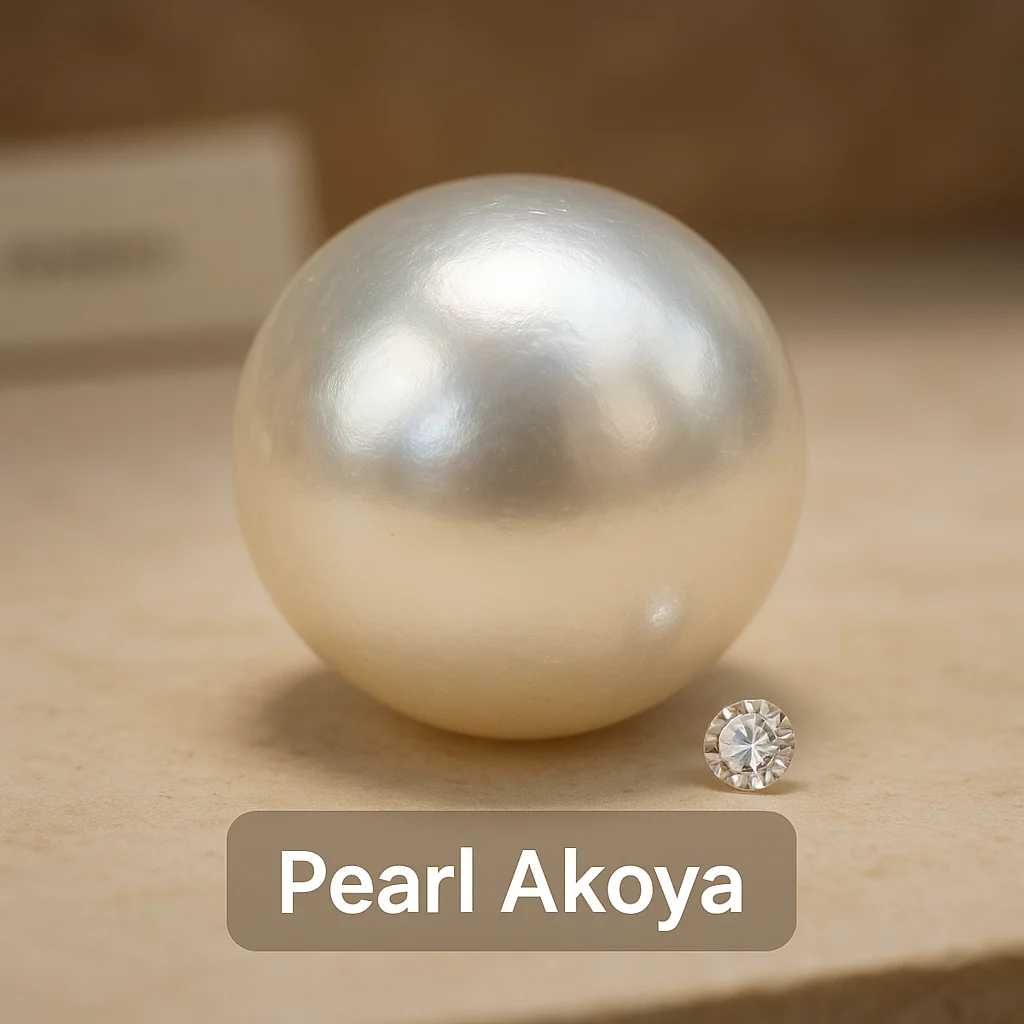
Akoya pearls are widely chosen for their use in fine jewelry items such as necklaces, earrings, and bracelets. These pearls have a significant place in the world of gemstones due to their elegance and timeless appeal. Known for their natural beauty, Akoya pearls complement various styles and are often seen as symbols of sophistication and purity.
In this article, you'll learn about the fascinating journey of Pearl Akoya from its natural origins to the beautiful jewelry pieces they become. We'll delve into their formation, unique features, care guidelines, and tips for buying quality pearls. Understanding these essentials will help you appreciate the value and allure of Pearl Akoya.
🌍 Where It Comes From
Akoya pearls are cultured predominantly in marine environments. These pearls are formed inside saltwater oysters known as Pinctada fucata, which thrive in the ocean. As natural creations of the sea, they are typically found in specific coastal regions that provide the necessary conditions for their growth.
The most notable regions for Akoya pearl cultivation are Japan and China. These countries have established reputations for producing high-quality Akoya pearls, with Japan being especially renowned for its superior luster and more traditional culturing techniques. The environmental factors in these regions, such as water temperature, salinity, and cleanliness, are crucial for the successful development of these pearls.
Origin plays a significant role in the market reputation of Akoya pearls. Japanese Akoyas tend to command higher prices due to their pristine quality and well-honed cultivation practices. However, pearls from other regions can also be exquisite, offering beautiful and often more affordable alternatives. Understanding the origin helps buyers make informed decisions based on quality and value.
🔬 How It Forms
Akoya pearls form through a natural, yet complex process involving mollusks. When a small irritant, often a bead or piece of tissue, is intentionally introduced inside the oyster's shell, it triggers the mollusk's defense mechanism. The oyster secretes layers of nacre, a blend of calcium carbonate and conchiolin, over the irritant, gradually forming a pearl.
This process takes place over several months, during which layers of nacre build up to create the lustrous surface that Akoya pearls are known for. The oyster's environment greatly influences the outcome, as clean, stable conditions are essential for the development of high-quality pearls.
Akoya pearls are typically round due to the method of cultivation and the type of bead used. This shapes them for uniformity and creates the classic look that is highly appreciated in the gemstone market.
🎨 Color and Look
Akoya pearls are commonly found in shades of white and cream, often exhibiting overtones of pink, silver, or even a slight green. These overtones add depth and richness to the pearls, enhancing their visual appeal. The luster of Akoya pearls is a key point of distinction, offering a mirror-like surface reflective of high light quality.
The appearance of Akoya pearls can be enhanced through careful cutting, polishing, and matching. High-quality pearls will reflect light evenly across their surface and have minimal blemishes. In the marketplace, Akoya pearls are often treated to improve or enhance their inherent qualities, such as their color and luster, through processes such as bleaching and polishing.
Treatments are a common practice in the pearl industry and are generally accepted when appropriately disclosed. Knowing whether an Akoya pearl has gone through such processes is essential for assessing its value and making an informed purchase.
🧪 Properties That Matter
The properties of Pearl Akoya significantly affect its use and durability in jewelry. On the Mohs hardness scale, pearls generally rate around 2.5 to 4.5, indicating they are relatively soft compared to other gemstones. This means they can be scratched by harder surfaces and require careful handling, especially in rings worn daily.
Despite their softness, Akoya pearls are considered quite tough due to their layered nacre construction, which allows them to resist chipping and breaking. They are often favored in earrings and necklaces, where they face less physical abrasion compared to rings.
The luster of Akoya pearls, classifying them as luminous and reflective, makes them standout pieces in any jewelry collection. Their surface can be iridescent, creating radiant displays of light and color. Proper care and cautious wear can maintain their appearance and longevity.
✨ Meanings, Birthstones, and Culture
Traditionally, pearls have been associated with purity and innocence. In the realm of birthstones, pearls are recognized for those born in June, symbolizing a connection to purity and sincerity. They are often gifted for special occasions such as weddings and anniversaries as a symbol of commitment and lasting beauty.
Culturally, Akoya pearls hold significance as emblems of wealth and luxury in many societies. They have adorned royalty and celebrated figures throughout history, enhancing their perception as high-status gems. However, these associations are based on tradition and may vary across different cultures.
While the meanings attached to pearls are influenced by folklore and modern interpretations, they remain deeply embedded in cultural practices and jewelry-making, cherished for their elegance and charm.
🧼 Care and Cleaning
Caring for Akoya pearls involves gentle approaches to cleaning and storage. Mild soap and lukewarm water are usually recommended for cleaning, ensuring any gritty materials are removed. It's essential to use a soft cloth for patting dry—avoiding the use of harsh chemicals that could damage the pearl's surface.
Pearls, including Akoyas, are sensitive to high temperatures and sudden temperature changes. Avoiding exposure to direct sunlight or hot appliances can prevent the drying and damage of the nacre layers. It's best to refrain from prolonged water exposure, which could dull their luster.
Storing Akoya pearls individually in soft pouches or lined jewelry boxes helps protect them from scratching and damage. Keeping them separate from harder gemstones and metals will maintain their appearance and value over time.
🛒 Buying Tips and What to Check
When purchasing Akoya pearls, several factors affect their price and quality. These include luster, surface quality, size, shape, and color. The most desired pearls are those with the highest luster and minimal imperfections. Uniformly round Akoya pearls are highly valued compared to off-round or baroque shapes.
Transparency regarding treatments is crucial when buying pearls. Understanding whether a pearl has been enhanced allows you to assess its value accurately. Asking for a gemological report from reputable labs can provide insights into the authenticity and origins of significant purchases.
For online purchases, seek clear, detailed images and comprehensive descriptions from sellers. A robust return policy and positive seller reputation should be prioritized, ensuring security and satisfaction with your purchase.
⚠️ Real vs Fake and Common Look-Alikes
Natural Akoya pearls are distinct from synthetic (lab-grown) and imitation pearls. Synthetic pearls are often created in similar environments to cultured pearls, while imitations may be made from glass, plastic, or other materials that simulate the look of pearls.
Common look-alikes include freshwater pearls, which may appear similar but generally lack the high luster characteristic of Akoyas. Doublets, where pearl layers are bonded over a core, can also resemble natural pearls but are significantly different in value and composition.
Confirming authenticity should be entrusted to professional gemologists who can perform tests and analyses, ensuring accurate identification without risk from home experimentation.
❓ Common Questions and Misconceptions
Is it a mineral or a rock? Unlike minerals, pearls are organic gems formed by living organisms.
Is it a birthstone? Yes, pearls serve as a birthstone for June.
Will it scratch easily? Being relatively soft, Akoya pearls can scratch; handle them with care.
Can it go in water? Brief exposure is fine, but avoid prolonged soaking to maintain luster.
Does color fade in sunlight? Extended exposure to sunlight can affect pearls, so keep them protected.
What treatments are common? Pearls are often bleached and polished to enhance their appearance.
Is lab-grown 'fake'? Lab-grown refers to synthetic versions and not natural cultured pearls.
How do I store it safely? Keep pearls in soft containers, stored separately from harder items.
Do inclusions always lower value? Inclusions can affect value, but the overall luster and appearance are more critical.
How do I pick a good one for jewelry? Choose pearls with high luster, minimal blemishes, and uniformity in size and shape.
📌 Summary
- Pearl Akoya is a cultured, organic gem known for its elegance.
- Typical colors are white and cream with pink, silver, or green overtones.
- Forms in marine oysters via natural nacre secretion over time.
- Soft but tough, suitable for earrings and necklaces.
- Treatments may enhance color and luster; always inquire.
- Clean gently with soap and water; store cautiously to prevent scratches.
- Best for jewelry pieces with limited abrasion, like pendants or earrings.
- Look-alikes include freshwater pearls and doublets.
- Authenticity is best confirmed through professional evaluations.
- Buying involves checking for surface quality, luster, and disclosure of treatments.
- Symbolically linked to purity and June birthstone traditions.
- Sophisticated classic gems fitting for a variety of styles and occasions.