💎 Burmese Ruby Pigeon Blood
🪨 What It Is
Burmese Ruby Pigeon Blood is a mineral variety known for its vibrant red color. This stunning gemstone belongs to the corundum family, the same family that includes sapphires. The name "pigeon blood" refers to the gem's highly prized color, comparable to the first two drops of blood from a freshly killed pigeon, renowned for being the most vivid red possible.
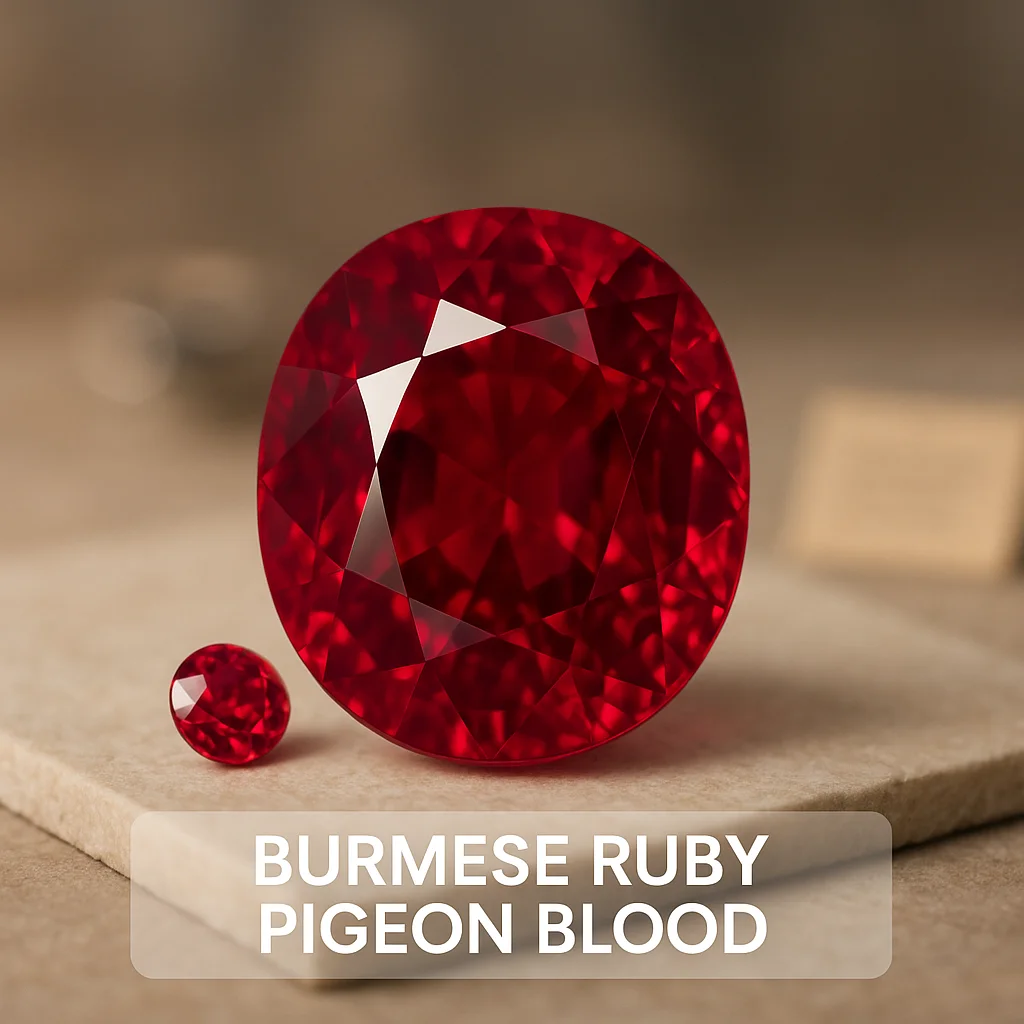
With its rich hue and historical associations, Burmese rubies are often considered the finest and most valuable rubies available. As one of the birthstones for July, it holds popularity in various jewelry pieces, including rings, necklaces, and earrings.
This article will provide a comprehensive overview of Burmese Ruby Pigeon Blood, covering its appearance, geological origins, properties, care advice, buying tips, and cultural significance.
🌍 Where It Comes From
Burmese rubies, including those labeled pigeon blood, originate from Myanmar (formerly Burma), particularly from the Mogok region. This area is geologically significant, producing some of the world's most famous and valuable rubies over centuries.
These gems form under specific geological conditions, often found in metamorphic rocks, where heat and pressure have transformed existing rock types into new mineral structures. The unique geological setting contributes to the exceptional qualities and hues of the rubies from this region.
The origin of a ruby can be essential for determining its value because Burmese rubies carry a specific reputation for quality and color that makes them highly sought after in the gem market.
🔬 How It Forms
The formation of Burmese rubies occurs deep within the Earth's crust, where the right combination of temperature, pressure, and mineral compositions exists. Corundum, the mineral of which rubies are made, forms when aluminum and oxygen elements crystallize in the absence of silicon.
The red color that characterizes rubies, particularly the pigeon blood variety, is due to the presence of trace amounts of chromium replacing some of the aluminum in the crystal structure. This impurity interacts with light to produce the rich red color that is so prized.
Typically, Burmese rubies are found in certain crystal habits like tabular or prismatic shapes. Over time, geological processes may further allow these rubies to be transported via erosion into sedimentary deposits, where they are eventually mined.
🎨 Color and Look
Burmese Ruby Pigeon Blood is famous for its deep, vivid red color, often described as a pure red with a hint of blue, giving it a bright and lustrous appearance. The gem's appearance can be further enhanced by factors such as cut and polish, which help in maximizing light reflection.
Factors affecting the appearance of rubies also include clarity and presence of inclusions. Inclusions are internal features often visible with magnification, and while they are common, their presence must be balanced with the vividness of color.
Common treatments, like heat treatment, are sometimes used to improve or stabilize the color and clarity of rubies. These methods are widely accepted within the industry, but it is essential for buyers to know about any such treatments, as they can influence value.
🧪 Properties That Matter
The Mohs hardness scale rates Burmese Ruby Pigeon Blood as a 9, making it one of the hardest gemstones, surpassed only by diamond. This means it is highly scratch-resistant, an excellent choice for jewelry that undergoes regular wear.
The toughness, or resistance to chipping, of rubies is generally good, although they can break when subjected to hard impact due to their lack of cleavage, meaning they do not split cleanly along any plane.
The luster of rubies is vitreous, offering a bright and glass-like appearance when properly cut and polished. These properties allow rubies to maintain their beauty over time, whether as daily-wear rings or periodic-wear pendants.
✨ Meanings, Birthstones, and Culture
Traditionally, rubies, including the Burmese Ruby Pigeon Blood, have been associated with attributes like passion, protection, and prosperity. As a birthstone for July, rubies hold cultural significance in various traditions and are often gifted for significant anniversaries.
In several cultures, rubies are thought to possess protective properties, warding off negative energies and bringing the wearer good fortune. However, these beliefs should be viewed as cultural traditions rather than scientific fact.
Today, rubies remain an enduring choice for fine jewelry, admired for their rich color and historical allure. Their vivid hue makes them a popular center stone for engagement rings and other significant jewelry pieces.
🧼 Care and Cleaning
To maintain the beauty of Burmese Ruby Pigeon Blood gemstones, gentle cleaning with mild soap and water is recommended. Use a soft cloth or brush to clean, avoiding abrasive materials that may scratch the surface.
Rubies are relatively safe from damage by heat, but sudden temperature changes should be avoided. Prolonged exposure to harsh chemicals, especially those in some cleaning agents, can also pose a risk.
Proper storage away from other gemstones is essential to prevent scratches. Keeping ruby jewelry in a soft cloth or pouch ensures it remains pristine between wears.
🛒 Buying Tips and What to Check
When purchasing a Burmese Ruby Pigeon Blood, factors like color, clarity, cut, carat weight, and origin will influence both price and quality. For Burmese rubies, a rich, vivid red color with a slightly bluish tint is most desirable.
Inquire about any treatments the ruby may have undergone, as these can impact value. High-value stones often come with a lab report that verifies their characteristics. Such reports are beneficial in confirming the gem's authenticity and detailing any enhancements.
For online purchases, ensure clear images, a good return policy, and a seller with a reputable standing in the gem community. Clear disclosure of treatments and origins is a must to make an informed decision.
⚠️ Real vs Fake and Common Look-Alikes
Natural rubies, like the Burmese variety, are distinguished from synthetic or lab-grown rubies, which have the same chemical composition but are made in controlled environments. These lab-grown stones provide a cost-effective alternative while maintaining visual similarities.
Imitation rubies, created from glass, plastic, or composites, are visually similar but lack the natural qualities and value of true rubies. Assembled stones, like doublets or triplets, combine thin layers of different materials to mimic a ruby's appearance.
Common look-alikes include red spinels and garnets, which may be mistaken for rubies. True identification requires professional gemological analysis to accurately differentiate between these materials.
❓ Common Questions and Misconceptions
Is it a mineral or a rock? Burmese Ruby Pigeon Blood is a mineral, specifically a variety of corundum.
Is it a birthstone? Yes, ruby is the birthstone for July.
Will it scratch easily? No, with a Mohs hardness of 9, it is quite scratch-resistant.
Can it go in water? Yes, but avoid exposing it to harsh chemicals in water.
Does color fade in sunlight? Rubies are generally very stable and do not fade in normal lighting.
What treatments are common? Heat treatment is a common practice to enhance color and clarity.
Is lab-grown 'fake'? Lab-grown rubies are real gems with the same properties as natural rubies but are created synthetically.
How do I store it safely? Store separately in a soft pouch to prevent scratches from other gems.
Do inclusions always lower value? Not always, but inclusions that affect transparency and appearance can reduce value.
How do I pick a good one for jewelry? Look for vibrant color, good clarity, an excellent cut, and proper certification of authenticity.
📌 Summary
- Burmese Ruby Pigeon Blood is a mineral variety known for its vivid red color.
- The typical appearance ranges from deep red to slightly bluish-red.
- It forms under conditions of high temperature and pressure with chromium impurities causing its red color.
- With a Mohs hardness of 9, it's an excellent option for regular wear.
- Heat treatment is a common method to enhance its appearance.
- Use gentle soap and water for cleaning; store it separately to avoid scratches.
- Ideal for rings, pendants, and earrings due to its durability and striking color.
- Common look-alikes include red spinel and garnet.
- Authenticity is confirmed through professional testing and lab reports.
- When buying, consider color, clarity, origin, and ask about treatments.
- As a birthstone for July, it carries traditional cultural significance.
- Memorable takeaway: Burmese Ruby Pigeon Blood's unparalleled color and historical prestige make it a timeless choice for fine jewelry.