💎 How to Read a Gem Certificate
🪨 What It Is
Gem certificates are essential documents in the world of gemstones and jewelry. They provide detailed information about a gemstone's identity, characteristics, and quality. Whether you are a seasoned collector or a beginner, understanding how to read a gem certificate can greatly enhance your buying experience.
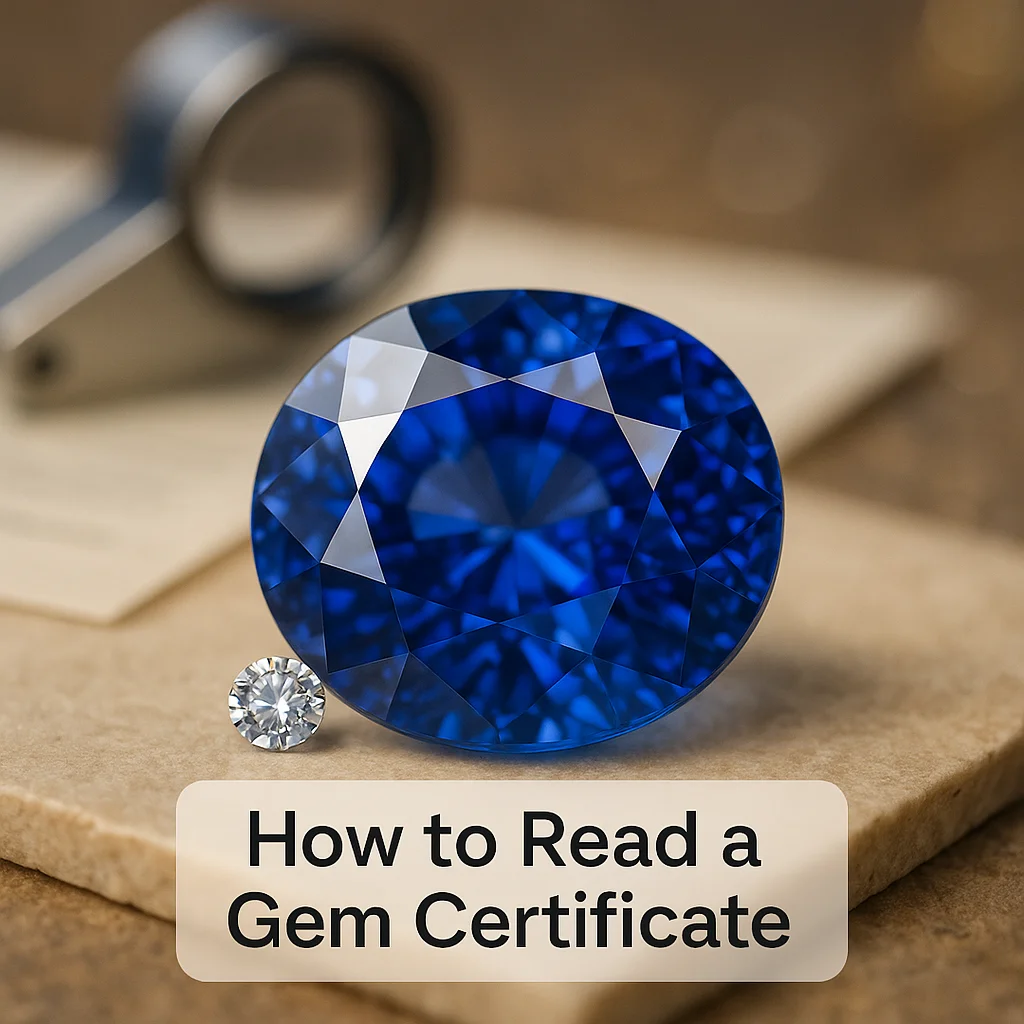
Gemstone certificates are typically issued by a gemological laboratory and serve as an unbiased verification of a gem's attributes. These documents often include details such as species, variety, weight, dimensions, and treatments, along with the gem's authenticity.
For those interested in birthstones or popular gemstones, many gem certificates cover stones like diamonds, sapphires, rubies, and emeralds. By learning to read these certificates, you can make informed decisions about appearance, properties, origin, value, and care.
🌍 Where It Comes From
Gemstones originate from various geological settings including igneous, metamorphic, and sedimentary environments. These natural processes lead to the formation of gems over millions of years. The environment where a gemstone forms can greatly influence its characteristics and quality.
Some gemstones are commonly found in regions known for their rich deposits. For instance, opals are frequently mined in Australia, while rubies often come from Myanmar. Knowing the origin can sometimes indicate the quality and pricing of the gemstone.
The origin of a gemstone can affect its color and clarity, with certain regions being renowned for producing stones of particular hues or purities. Market reputation also varies by region, and these factors can influence the desirability and value of the stone.
🔬 How It Forms
Gemstones form through a combination of heat, pressure, and time. These elements contribute to the unique characteristics that every gem possesses. For example, diamonds form deep in the Earth's mantle under extreme heat and pressure before being brought to the surface by volcanic activity.
Different trace elements can lead to the variety of colors seen in gemstones. In sapphires and rubies, trace elements like iron, titanium, and chromium can result in varying shades of blue and red, respectively.
Crystal habit refers to the external shape of the crystal, and gemstones may come in various forms such as well-formed crystals, nodules, or geodes. These forms are shaped by the specific conditions during their formation process.
🎨 Color and Look
The color and look of a gemstone are critical factors for both aesthetic and valuation reasons. Gemstones can exhibit a range of optical effects such as chatoyancy (cat's eye effect), asterism (star effect), or play-of-color seen in opals.
The appearance of a gemstone can be influenced by its cut, polishing, the actual clarity of the stone, and even the lighting under which it is viewed. An expertly cut and polished stone enhances its brilliance and appeal.
Treatments like heat or dye are sometimes applied to enhance a stone's color or clarity. Transparency can also be a key factor, with some stones being opaque while others are transparent, greatly affecting their use in jewelry.
🧪 Properties That Matter
Understanding the properties of gemstones is crucial for selecting the right piece for your needs. Mohs hardness, which measures scratch resistance, determines the durability of the gem. For example, diamonds are rated at a 10, making them ideal for daily-wear rings.
Toughness refers to a gemstone's resistance to chipping and breaking, while cleavage describes how a stone breaks along certain planes. Some stones, like topaz, have perfect cleavage and require careful setting.
Luster, or the quality of light reflection from the surface, and transparency define a gem's visual appeal. For instance, gems with a high luster like diamonds or high transparency like aquamarine are often more valued.
✨ Meanings, Birthstones, and Culture
Cultural symbolism and traditional meanings often surround gemstones. Many cultures associate gemstones with various symbolic meanings, and gemstones like diamonds and emeralds have significant roles in different traditions.
Birthstone associations with specific months are a popular tradition, with stones like garnets for January, or sapphires for September. While these connections can enhance a gem's appeal, they do not have scientific backing.
Traditional folklore may attribute healing properties or bring good luck when wearing specific stones, yet such claims lack scientific evidence. It's essential to appreciate these aspects for their cultural significance rather than proven effects.
🧼 Care and Cleaning
Caring for gemstones involves cleaning them with gentle soap and water, with a soft cloth to avoid scratches. It's important to avoid harsh chemicals that could damage the stone.
Special attention is required for porous, soft, or treated stones like opal, pearl, turquoise, and emerald. These stones should not be exposed to extreme temperatures or long periods of soaking.
The storage of gemstones is also crucial to maintain their beauty. Keep them in separate compartments to prevent scratches and protect them from direct sunlight, which could cause fading.
🛒 Buying Tips and What to Check
When purchasing gemstones, factors such as color, clarity, cut, carat size, and origin can greatly influence price and quality. A deep understanding of these elements helps in selecting high-quality stones.
It's advisable to inquire about any treatments the stone may have undergone. For valuable stones, requesting a gemological report can provide assurance and documentation of the gem's authenticity.
A beginner's buying checklist should include checking for clear photographs, a solid return policy, a reputable seller, and full disclosure of all treatments or enhancements applied to the gem.
⚠️ Real vs Fake and Common Look-Alikes
Distinguishing between natural and synthetic gemstones is crucial for authenticity. Synthetic or lab-grown stones have identical chemical compositions to natural ones but are created in controlled environments.
Imitation stones, often made from glass, plastic, or composites, may mimic the look of true gems but do not have the same properties. Doublets and triplets are assembled stones that combine layers to replicate a certain appearance.
Common look-alikes include materials like cubic zirconia for diamonds. Professional testing by a gemologist is the most reliable way to confirm a gem's authenticity and avoid risky home experiments.
❓ Common Questions and Misconceptions
Is it a mineral or a rock? Gemstones can be either; many are minerals, while others are rocks or organic materials.
Is it a birthstone? Many gemstones have associations with birth months or zodiac signs.
Will it scratch easily? This depends on the gemstone's Mohs hardness; harder stones like diamonds are less prone to scratching.
Can it go in water? Most gemstones can, but it's best to avoid prolonged exposure, especially for porous stones.
Does color fade in sunlight? Some stones may fade over time if exposed to direct sunlight; store them carefully.
What treatments are common? Treatments like heat, dye, or oiling are commonly used to enhance a stone's appearance.
Is lab-grown "fake"? Lab-grown gemstones are not fake; they have the same properties as natural gems but are made in labs.
How do I store it safely? Keep gemstones separate in a soft-lined box to prevent scratches and away from direct sunlight.
Do inclusions always lower value? Not necessarily; some inclusions are accepted in certain gems, while others reduce their value.
How do I pick a good one for jewelry? Consider the gem's hardness, toughness, and suitability for the intended use, such as rings or pendants.
📌 Summary
- Understanding what a gem certificate offers and its credibility
- Recognizing typical colors and appearances of gemstones
- Simple processes of gem formation
- Key properties for everyday wear and special occasions
- Common treatments and the importance of disclosure
- Essential care and cleaning tips for longevity
- Best uses for different types of jewelry
- Common look-alikes and how to tell them apart
- Authenticity confirmation and the role of professional testing
- Highlights of an informed buying checklist
- Birthstone and cultural notes as a tradition, not science
- Being informed can make purchasing gemstones a rewarding experience