💎 Spinel Fine Red Spinel
🪨 What It Is
Spinel is a beautifully colored gemstone that is widely revered for its vivid hues and durability. It is a mineral composed primarily of magnesium aluminum oxide, typically found in crystalline form. Red spinel, known for its fine red color, is particularly sought after in the gemstone market for its striking resemblance to ruby, another precious stone.
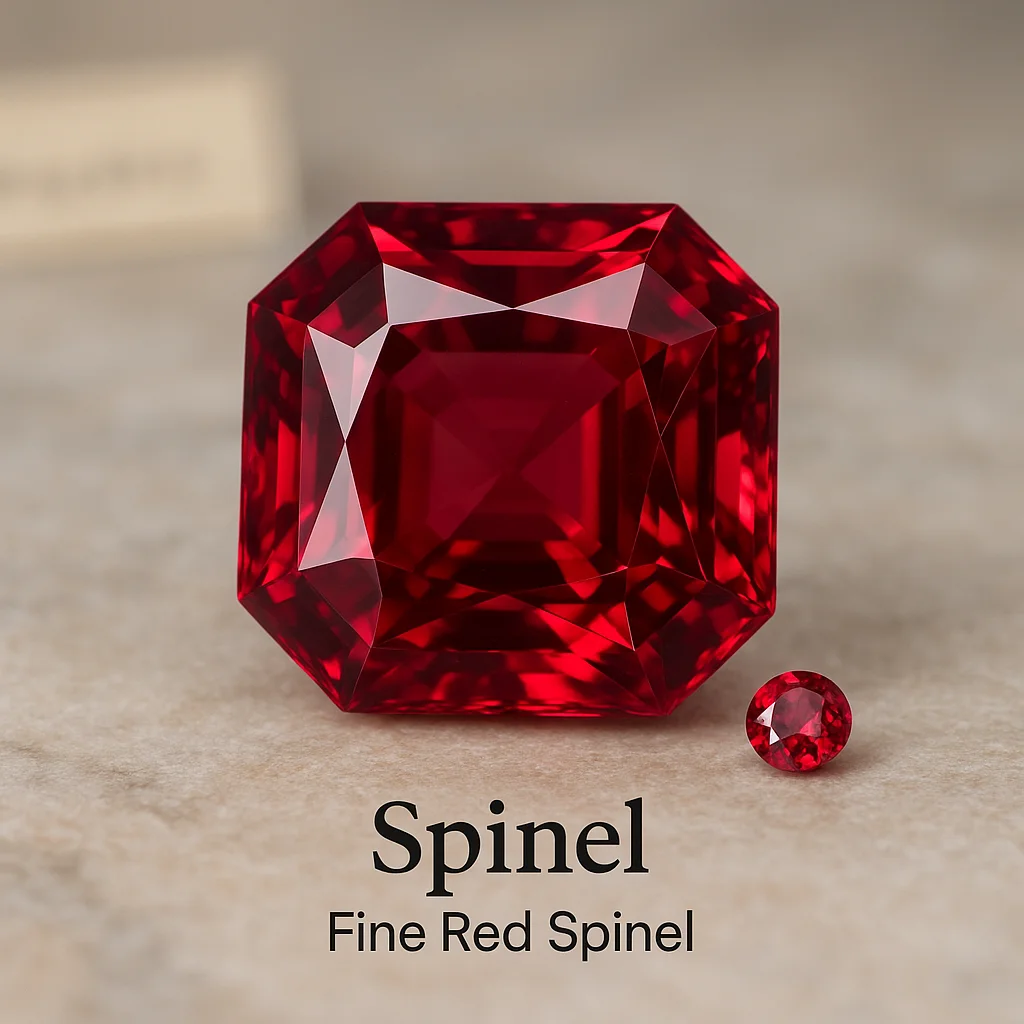
Spinel is not just a popular gemstone but is also steeped in historical significance. While it is not traditionally recognized as a birthstone, spinel has gained attention in modern lore as an alternative birthstone for August. The gemstone is appreciated for its bright colors, outstanding clarity, and often flawless appearance, making it a favorite for jewelers and collectors alike.
In this article, you will learn about the appearance, properties, origins, values, care, and buying tips related to fine red spinel. We will explore what makes this gemstone unique and how to make informed decisions when choosing one for yourself or as a gift.
🌍 Where It Comes From
Spinel typically forms in metamorphic and igneous rocks. This geological setting exposes the mineral to high temperatures and pressures that are key to its formation. The most classic and sought-after red spinels have historically been found in the famous mines of Myanmar, formerly known as Burma. Myanmar's spinels are celebrated for their exceptional color and clarity.
Besides Myanmar, spinel can also be found in parts of Sri Lanka, Vietnam, and several African countries, including Tanzania and Madagascar. Each of these locations can produce spinels with distinct hues and characteristics due to varying geological conditions. For example, spinels from Tanzania often display a rich, saturated red, whereas those from Vietnam can have a more vibrant red color.
The origin of a spinel can significantly influence its market reputation. Gemstones from highly esteemed locales tend to command higher prices due to their rarity and superior quality. While origin alone does not solely determine value, it is a contributing factor that savvy buyers consider. When purchasing a fine red spinel, be mindful of the material's provenance and seek professional advice if needed.
🔬 How It Forms
Spinel forms under specific geological conditions involving extreme heat and pressure. These conditions are typically found in metamorphic rocks, which are rocks that have been changed by these intense forces over time. Spinels also occur in igneous rocks, which are formed through the cooling and solidification of magma or lava.
The red color in fine red spinel is generally due to trace elements found within the mineral's structure, primarily chromium, which is the same element that produces the red color in rubies. The stone's crystalline nature often results in an octahedral shape, which can then be cut and polished into various forms to maximize its brilliance.
Understanding the formation process of spinel highlights the natural beauty and rarity of the gemstone. This knowledge is helpful both for appreciating the gem's intrinsic value and for recognizing the unique characteristics that contribute to its aesthetic appeal.
🎨 Color and Look
Fine red spinel is most prized for its vibrant red color, which can range from a deep, rich shade to a more fiery, intense hue depending on its origins and specific trace elements. This gemstone is renowned for its bright and consistent color, making it a popular alternative to ruby at a comparatively more accessible price point.
The cut and polish of a spinel significantly affect its appearance. A well-cut spinel will exhibit stunning brilliance, highlighting its clarity and color under varying lighting conditions. Unlike some other gemstones, spinel typically exhibits excellent clarity with very few inclusions, which are internal features or characteristics of a gemstone.
On rare occasions, spinel may be treated to enhance its color or clarity, although this is less common compared to other gemstones. Buyers should inquire about any treatments, as untreated stones are generally more valuable. Always ask for documentation or certificates confirming the gem's natural state.
🧪 Properties That Matter
Spinel is known for its durability, featuring a Mohs hardness of 8. This level of hardness makes it resistant to scratches, an essential feature for gemstones intended for jewelry that will be worn regularly, like rings or bracelets. The mineral's toughness, or resistance to chipping and breaking, is also notable, making it suitable for everyday wear.
Spinel does not have cleavage; instead, it fractures in a manner that resists splitting, adding to its strength as a gemstone. Its luster is vitreous, meaning it has a glass-like appearance that contributes to its brilliant surface shine. In terms of transparency, spinels are generally transparent, which lends itself to their high visual appeal.
Because of these properties, red spinel is an excellent choice for jewelry that demands beauty and durability. Its resilience makes it ideal for use in engagement rings, pendants, and earrings, where it can be appreciated daily without undue risk of damage.
✨ Meanings, Birthstones, and Culture
Spinel has been traditionally associated with revitalization and energy, though such properties should be regarded as folklore rather than scientific fact. It is sometimes linked with the August birthstone, offering an alternative to the more conventional peridot.
In terms of cultural significance, red spinels have a long history of being mistaken for rubies, particularly among royal collections. These gems, often overshadowed by rubies, are now gaining recognition for their unique beauty and historical intrigue. Traditionally, spinel is believed to bring harmony and protection to its wearer.
While these associations provide cultural depth, modern buyers are usually drawn to red spinel purely for its aesthetic qualities and rarity, rather than its historical or purported mystical properties.
🧼 Care and Cleaning
To maintain a spinel's natural brilliance, it is recommended to clean the gem using gentle soap and lukewarm water. A soft cloth can be used to dry and polish the stone. Harsh chemicals should be avoided, as they may damage the surface or affect any treatments the stone has undergone.
Although spinel is tough, it is wise to store it separately from other gemstones to prevent scratches. Use a soft pouch or a lined jewelry box for storage. It is also advisable to avoid exposing the stone to extreme temperatures or sudden changes in temperature, which can lead to brittleness over time.
The durability of spinel makes it a low-maintenance option, but by following these care guidelines, you can ensure its lasting beauty and wearability.
🛒 Buying Tips and What to Check
When purchasing a fine red spinel, consider factors such as color, clarity, cut, and carat weight, as these will collectively influence the gem's value. A saturated red color with good transparency and a well-executed cut is highly desired.
Ask about any treatments the stone may have undergone and request a lab report or certification when purchasing high-value spinels. This documentation provides assurance of the stone's natural origin and any enhancements it may have received.
For online purchases, confirm the store's return policy, verify seller reputation, and seek detailed photographs of the gemstone under natural light. This caution will help ensure a satisfactory buying experience.
⚠️ Real vs Fake and Common Look-Alikes
Fine red spinel can be natural or synthetic, with synthetic spinels produced in a lab offering a cost-effective alternative. Synthetic stones are not imitations; they have the same chemical and physical properties as natural stones.
Imitations, often made of glass or plastic, can look similar to the untrained eye but lack the durability and value of genuine spinel. Additionally, keep an eye out for doublets or triplets, which are stones assembled with multiple layers to enhance appearance and may not be as valuable.
Professional testing by a qualified gemologist is the only reliable way to distinguish between real and fake gemstones. Refrain from using risky home experiments to attempt identification, as these can damage the stone.
❓ Common Questions and Misconceptions
Is it a mineral or a rock? Spinel is a mineral, not a rock.
Is it a birthstone? Spinel is considered an alternative birthstone for August.
Will it scratch easily? With a Mohs hardness of 8, spinel resists scratching well.
Can it go in water? Yes, but avoid prolonged soaking to preserve its luster.
Does color fade in sunlight? Spinel's color is generally stable in sunlight.
What treatments are common? Spinel is often untreated, but always confirm with the seller.
Is lab-grown 'fake'? No, lab-grown spinel is real but not naturally occurring.
How do I store it safely? Use a soft pouch and keep separate from other gems.
Do inclusions always lower value? Usually, but many spinels have few inclusions.
How do I pick a good one for jewelry? Focus on color saturation, clarity, and well-executed cuts.
📌 Summary
- Spinel is a mineral known for its durability and vibrant colors, notably red.
- Commonly exhibits a bright red shade, often mistaken for ruby.
- Forms in metamorphic and igneous rocks under heat and pressure.
- Mohs hardness of 8 ensures scratch resistance, suitable for daily wear.
- Very few spinels undergo treatments; inquire for certainties.
- Gentle cleaning with soap and water preserves its brilliance.
- Ideal for rings, pendants, and earrings due to its durability.
- Watch out for synthetic or imitation stones; seek evaluations.
- Professional gemological testing verifies authenticity.
- Consider color, clarity, cut, carat weight when buying.
- Traditionally linked with August as an alternate birthstone.
- Red spinel offers a durable, beautiful alternative to precious rubies.