💎 Zircon Blue High Quality
🪨 What It Is
Zircon is a mineral belonging to the group of nesosilicates and is known for its wide array of colors. Blue zircon, in particular, is highly prized for its vibrant and alluring appearance. It is not only a captivating gemstone but also serves as the birthstone for those born in December.
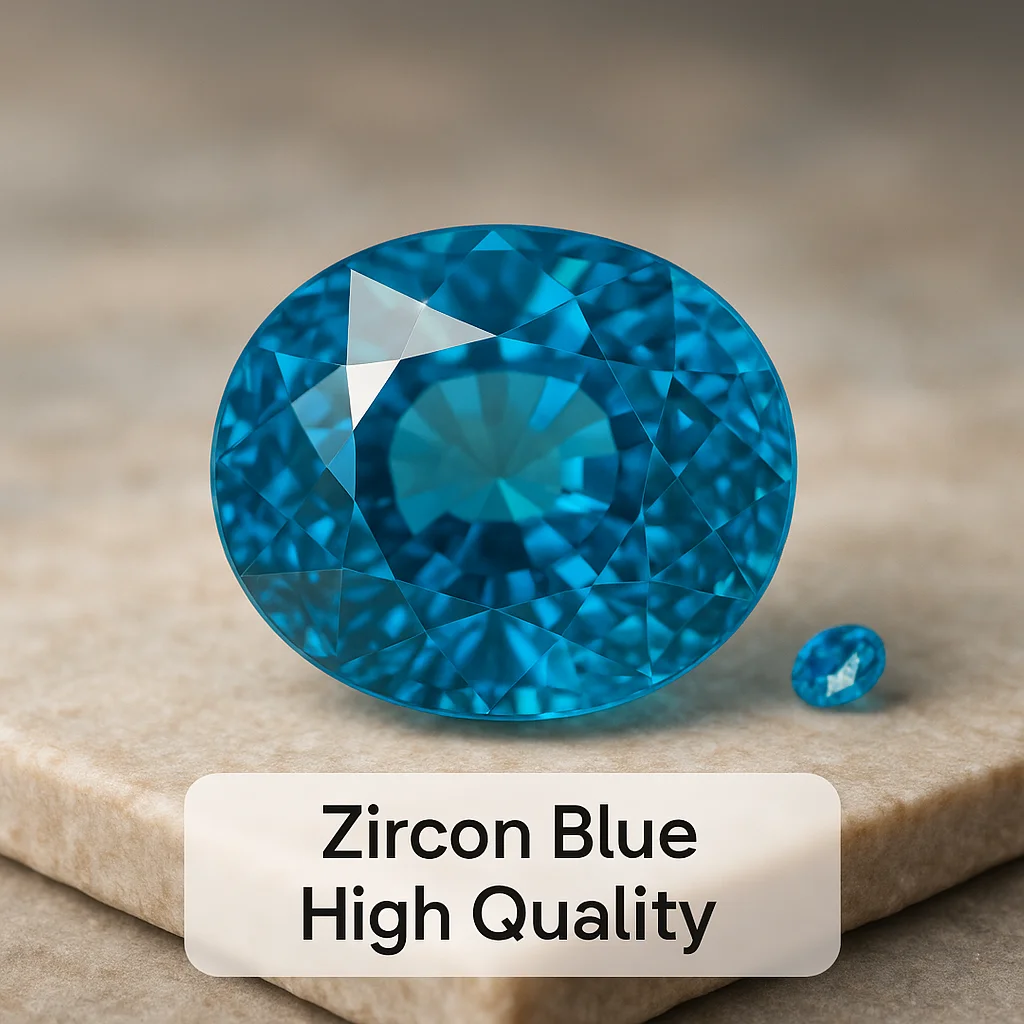
For those interested in gemstones, understanding what makes zircon unique is crucial. In this article, we'll explore its appearance, properties, origin, and how you can care for it. You'll also learn important buying tips to ensure you're making a knowledgeable purchase.
Zircon is often mistaken for other blue gems, but it distinguishes itself through its brightness and clarity. As you read on, you'll find out more about its properties and why it holds a special place in the world of gemstones.
🌍 Where It Comes From
Zircon occurs naturally in a variety of geological environments, including igneous, metamorphic, and sedimentary rocks. It is primarily formed as a by-product of the crystallization of magma in igneous rocks. The blue variety is often enhanced through heat treatment.
Blue zircon is commonly found in parts of Southeast Asia, including Cambodia, Myanmar, and Sri Lanka. The origin not only influences the color and clarity of zircon but also its market value. Certain regions are known for producing stones with renowned quality.
While the geographic origin can influence a stone's appearance and desirability, it is essential not to place too much weight on this factor alone. Evaluating the stone's overall quality is paramount for prospective buyers.
🔬 How It Forms
Zircon is a result of geological processes that involve significant heat and pressure over time. The mineral typically crystallizes from silicate melts in magmatic environments. Over millions of years, geological activities cause zircon deposits to form within different kinds of rocks.
The blue color of zircon is mainly due to trace elements such as uranium and thorium, as well as natural defects in its crystal structure. Heat treatment is often applied to enhance this blue coloration, making it more vivid and desirable.
Zircon crystals usually present a tetragonal prismatic habit, which contributes to their distinct sparkle and brilliance. When cut and polished effectively, zircon can display exceptional fire—a range of brilliant colors seen in light reflection.
🎨 Color and Look
Blue zircon is famous for its eye-catching teal to bright blue hues, which can vary based on the stone's exposure to heat treatment. The color is often comparable to that of aquamarine but features a uniquely intense sparkle.
The stone's appearance is highly dependent on its cut and clarity. A well-faceted blue zircon with minimal inclusions will have better brilliance and sparkle. Lighting conditions can also affect its appearance, accentuating its intense blue in natural light.
Treatments such as heat can stabilize and enhance zircon's color and clarity. These processes are considered common and acceptable within the gemstone industry, but buyers should be informed of any treatments performed on the stone.
🧪 Properties That Matter
With a Mohs hardness rating of about 6 to 7.5, zircon is quite durable but not as hard as sapphires or diamonds. This makes it suitable for occasional wear in jewelry like pendants and earrings, though care should be taken if set in rings.
Zircon has poor cleavage, meaning that while it can be chipped or fractured with hard impact, it does not split easily along defined planes. Its toughness varies, necessitating careful handling to prevent chipping.
The luster of zircon is described as adamantine, and it is appreciated for its ability to capture light, enhancing its overall appeal. Its transparency contributes to its effectiveness in making dazzling jewelry pieces.
✨ Meanings, Birthstones, and Culture
Traditionally, blue zircon is associated with wisdom, honor, and wealth. It has long been used in jewelry, especially during the Victorian era, echoing themes of abundance and contentment.
As the birthstone for December, zircon is linked to those born in the final month of the year. In addition to its color and beauty, it holds cultural significance for many people, often regarded as a symbol of prosperous and joyful life.
While these meanings add depth to the mystique of zircon, it is important to enjoy the gem for its stunning attributes first and foremost, as cultural significance can vary widely.
🧼 Care and Cleaning
To maintain the beauty of blue zircon, gentle cleaning with lukewarm soapy water is recommended. Avoid ultrasonic and steam cleaners, as temperature fluctuations can potentially cause damage.
A soft cloth can be used to clean the stone gently. Avoid exposure to harsh chemicals such as household cleaning agents and prolonged exposure to heat. When not in use, store zircon stones separately to prevent scratching.
Pay special attention to any treated stones, as treatments can sometimes affect the durability. It's best to remove zircon jewelry before engaging in activities that may expose the stone to impacts.
🛒 Buying Tips and What to Check
When purchasing blue zircon, consider factors such as color saturation, clarity, cut, and carat size, as these greatly influence both price and overall quality. Origin may also affect market perception, though other factors should take precedence.
Inquire about any treatments the stone has undergone and request documentation, especially for high-value purchases. A gemological report can offer verification of the stone's properties but may not always confirm authenticity independently.
If buying online, ensure the seller provides high-quality images, has a strong return policy, and discloses all necessary information regarding the stone. A reliable seller's reputation is essential for a satisfying purchase.
⚠️ Real vs Fake and Common Look-Alikes
Natural zircon is distinct from synthetic or lab-created versions, which, while possessing similar physical properties, are produced through artificial means. Imitations, like glass or plastic, lack the specific brilliance of authentic zircon.
Look-alike gems such as topaz and tourmaline can be confused with blue zircon, but differences in hardness, refractive index, and luster can be observed. Assembled stones like doublets or triplets consist of multiple materials combined to simulate a single gem.
For reliable identification, consulting a professional gemologist is recommended, as home tests can be insufficient and risky.
❓ Common Questions and Misconceptions
Is it a mineral or a rock? Zircon is a mineral.
Is it a birthstone? Yes, zircon is the birthstone for December.
Will it scratch easily? It has a fair hardness, so while durable, it is more prone to scratching than sapphires or diamonds.
Can it go in water? Brief exposure to water is safe, but avoid long submersions, especially for treated stones.
Does color fade in sunlight? Zircon generally maintains its color well but prolonged exposure to UV light can affect some treated stones.
What treatments are common? Heat treatment is common for enhancing blue zircon's color.
Is lab-grown 'fake'? Lab-grown zircon replicates natural properties but is not naturally occurring.
How do I store it safely? Store separately from other gems to prevent scratches and avoid hard impacts.
Do inclusions always lower value? Not always, but high clarity typically enhances value.
How do I pick a good one for jewelry? Look for vibrant color, good clarity, and a skillful cut, suitable for the intended jewelry piece.
📌 Summary
- Zircon is a mineral often used in jewelry.
- Typical colors include vibrant blue hues.
- Forms through geological processes over time.
- Features moderate hardness and good luster.
- Heat treatments commonly enhance color.
- Ideal for pendants and earrings, occasional wear rings.
- Famous imitations include topaz and tourmaline.
- Authenticity usually confirmed by gemologists.
- Buy from reputable sellers with clear disclosures.
- December birthstone with cultural significance.
- Zircon's sparkle makes it a unique and desirable gemstone.